

















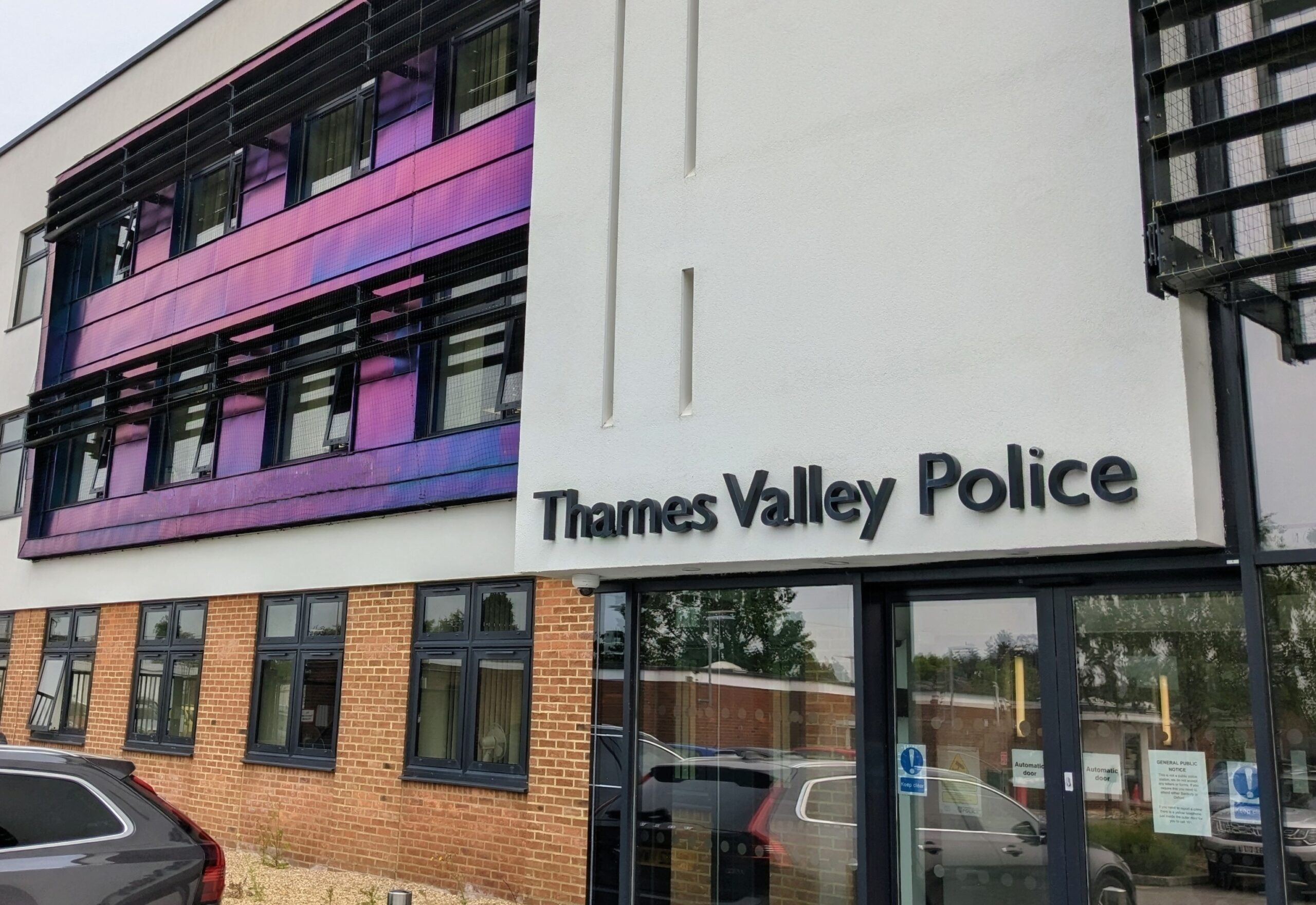
THAMES Valley Police has announced it is repurposing unused equipment to reduce waste, save public money and support emergency responders working in war zones.
What started as a simple, practical idea within the force is now transforming unused kit that no longer aligns with current UK policing requirements.
This includes equipment no longer in service, which is being turned into life‑saving support for emergency responders working in conflict‑affected environments.
Instead of remaining in storage or being disposed of at cost, it is repurposed and passed on through a trusted humanitarian process.
TVP teams have identified that this equipment still retains protective and operational value and is now supporting police officers, firefighters, paramedics and volunteers responding to emergencies in war zones.
The initiative helps reduce waste, prevents usable items that are no longer in service from being destroyed or sent to landfill, and cuts disposal costs, with thousands of pounds already saved.
Used body armour from Thames Valley Police has been issued to emergency responders and fitted into lightly protected vehicles used for casualty evacuation and resupply.
In one recent incident, armour fitted to an evacuation vehicle absorbed the blast from a drone attack, enabling two casualties and two crew members to survive.
Other donated items are also being actively used; thermal clothing is helping to prevent cold‑related injuries; boots and wellies are reducing cases of trench foot; first aid kits continue to support trauma care; hand sanitiser is being repurposed into candles to provide heat and light; and CBRN equipment is offering protection against chemical irritants.
Chief Constable Jason Hogg said: “I am incredibly proud of the colleagues behind this initiative. What started as a simple, practical idea has made a real difference to people working in some of the most challenging and dangerous conditions imaginable.
By thinking differently, we’re reducing waste, saving public money and ensuring equipment that still has value continues to protect lives rather than being destroyed. It’s a powerful example of how small changes can deliver meaningful impact.”