



















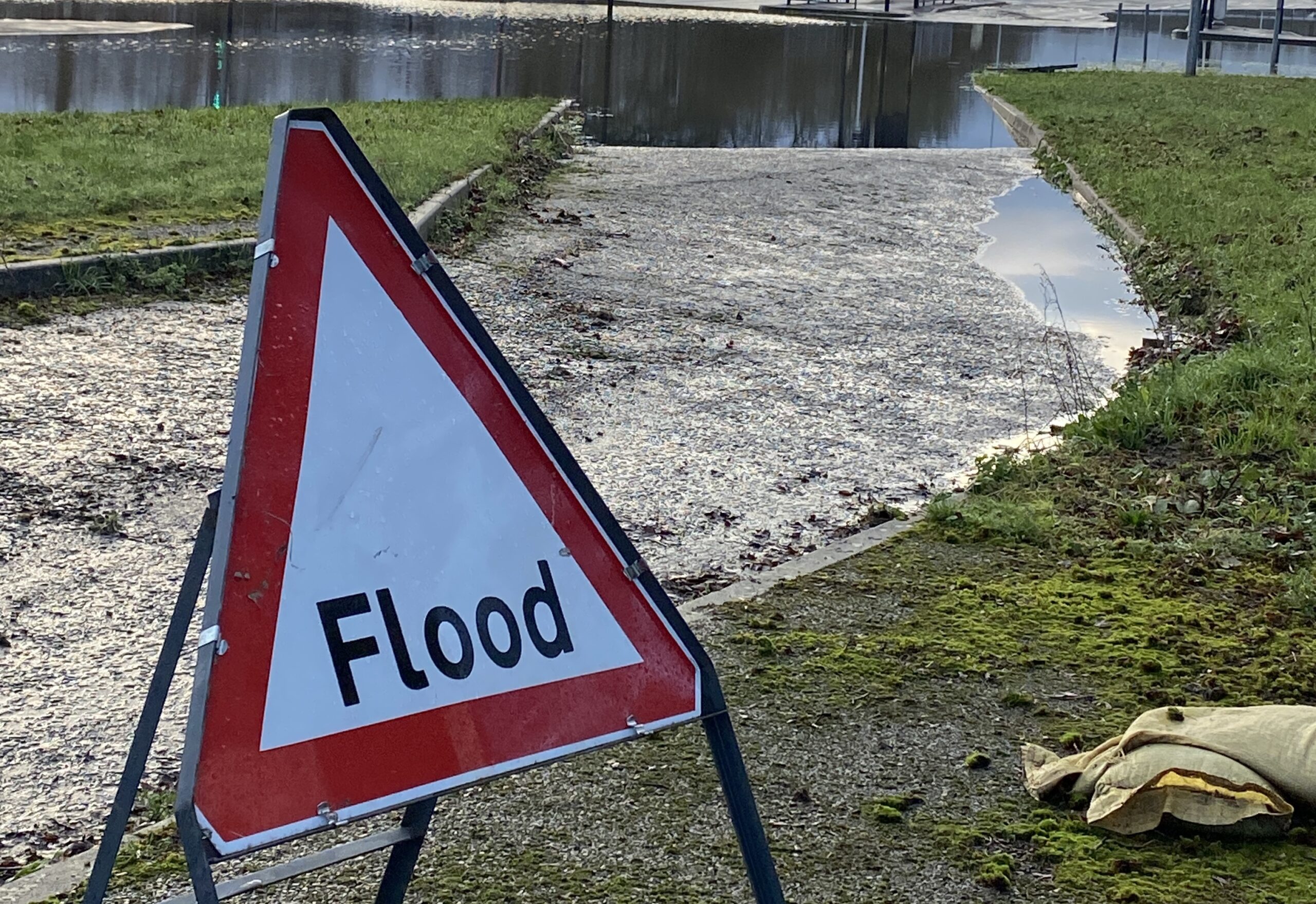
READING Borough Council is urging residents to make sure they are prepared for possible flooding as summer heatwaves give way to a potentially rainy autumn.
While this year’s summer has been a record-breakingly dry and hot one, the past weekend has seen the first real shift in the weather as sunshine gave way to heavy, sustained rainfall across the borough.
As September arrives, councillors are warning that more rain on the way poses risks of floods and associated damage to houses and property.
The weeks of heat mean that the ground is extremely dry, which in turn means that heavy spells of rain can cause flash floods as water runs across hard ground, rather than soaking in, as it does with more saturated soil.
This can overwhelm drainage and sewer systems, with a potentially dangerous knock-on effect to homes.
The council is advising that residents who have previously been at risk of flooding make sure they have performed a number of pre-emptive checks and assurances before the worst of the rainy season arrives.
These include sourcing sandbags, which can be used to break tides of flowing water and help redirect flooding, as well as checking that floodguards are ready to be used where necessary.
Residents should also make sure they have a plan in the event that a home needs to be evacuated due to flooding, including emergency and contingency exits–especially those with vulnerable or very young family members, or pets.
In areas susceptible to flooding, valuables should be kept away from the floor.
Updates on where and when there is a risk of flooding are available, both over the following days and for more long-term forecasts.
While the majority of the borough’s water infrastructure is managed by Thames Water, Reading Borough Council has maintained more than 18,000 roadside gullies, including cleaning and inspection, as well as an extensive annual leaf-fall sweeping programme.
Despite this, it is ultimately the condition and capacity of Thames Water’s sewer works which determines how effective road gullies can be.
Once the Thames Water surface water sewers are at capacity, no more rainwater can enter the sewer via the road gullies and in some cases may even surcharge back out.
Cllr Liz Terry, Leader of Reading Borough Council, said: “It may seem counterintuitive to be talking about flooding after the long, hot dry summer we have just had, but that is exactly why we are asking residents to take a few sensible steps now in order to avoid possible problems in the weeks and months to come.
“The hard ground everywhere increases the risk of surface water flooding significantly. Downpours can fall faster than the water can soak into the ground and large volumes of rainwater can quickly run off into streets, drains, sewers and low-lying areas.
“This year, we have seen the wettest month on record nationally for rainfall in January, closely followed by the summer’s extreme heat and dry spell.
“It is widely acknowledged that climate change is increasing the intensity and frequency of wet weather and intensity of rainfall events.
She explained: “The facts are, neither Thames Water’s sewers, or indeed the council’s own gullies, are designed to withstand rainwater when it reaches a certain level.
“If you have been affected by flash flooding in Reading before, maybe as a result of the location of your property, it’s a good idea now to think about your flood risk, ahead of a possible wet autumn and winter.
“There are a few practical steps you can take at this early stage, which could make a big difference in the months to come.”
Full updates on when and where to expect flooding, as well as advice and other resources, are available via: gov.uk/prepare-for-flooding