

















MILLIONS still flush wet wipes down the toilet, leading to expensive damage, says Thames Water.
The water services provider is urging people to bin wet wipes instead.
The only things that belong in the toilet, it says, are three Ps: pee, poo (human only), and paper.
However, its research shows that two fifths of users, around 15.5 million people, continue to flush wet wipes down the toilet.
Of these, 16% do so daily, with another 16% contributing at least once a week.
This is why around 3.8 billion wipes find their way into Thames Water’s sewer network every year.
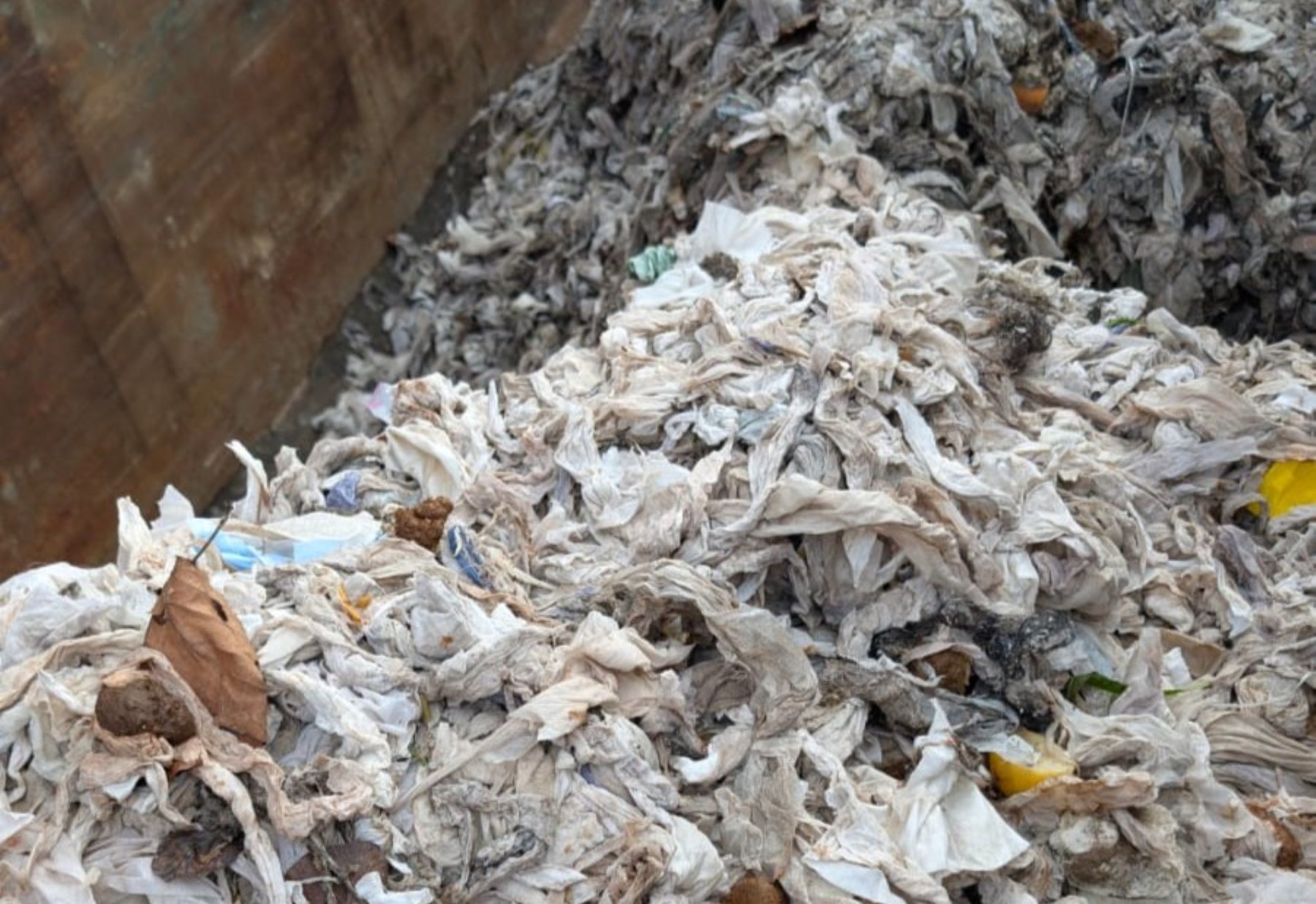
Combining with fat, oil and grease, they create fatbergs that block the system and lead to sewer damage.
Thames Water alone clears more than 75,000 blockages, which cause more than 60,000 flooding incidents, every year, with the cost of repairing and clearing £40 million.
Tessa Fayers, director of Waste and Bioresources at Thames Water, said: “Every day, wet wipes cause harm.
“Blockages they cause are the leading cause of pollution in our rivers and flooding in our homes and gardens.
“We are encouraging everyone to only flush the three Ps, pee, poo and paper, and to ensure that wipes go in the bin.
“The everyday choices we make can make a big difference, and we can all play a part in reducing the harmful effects of wet wipes.”
People who admit to flushing them say it’s because they’re described as ‘flushable,’ or ‘biodegradable.’
The truth is they take several months to decompose, easily long enough to cause sewer blockages and harm wildlife.
It’s a problem that has been taken seriously.
In order to protect rivers, lakes and beaches from pollution, and to reduce sewer blockages and flooding, the sale of plastic wet wipes will have been prohibited across the whole of the UK by the end of August 2027.
For information about Thames Water’s Bin it Don’t Block it campaign, people can visit: thameswater.co.uk