



















READING Festival is fast approaching, and it continues to push to reduce the environmental
Waste Management experts at Divert.co.uk have shared advice on how to help keep your environmental impact down when attending the festival.
While last year’s festival saw a 17% reduction in waste generated than the previous year, work still continues to bring the amount of waste down further.
Around 87% of its waste was recycled or composted in the same year.
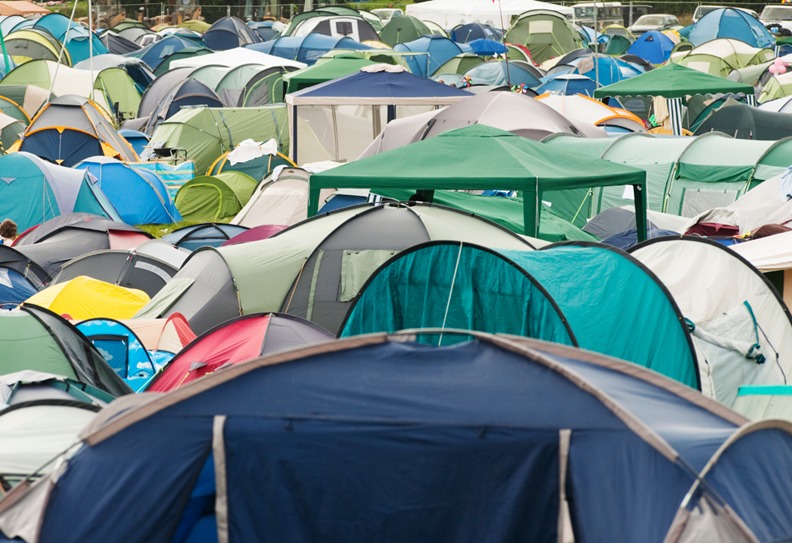
Though 68% of tents brought to the festival were taken home by campers, nearly 10% of the waste which was thrown away from last year’s event consisted of tents left or abandoned at the festival.
Groups who attend together often share tents, chairs, food, and supplies, but don’t often decide who is responsible for taking what home.
Divert recommends deciding this before travelling and check that the load can still be carried once the weekend is over.
Tent bags and storage cases can easily be misplaced, so keep them somewhere safe.
A strong spare bag is also useful when equipment is too wet or muddy to pack away neatly.
While many try to minimise their costs with cheaper tents and chairs, Divert advises that buying second-hand or borrowing a tent can help reduce expense.
It also says that a cheap tent shouldn’t be treated as disposable or single-use.
It’s also worth pitching the tent before leaving for the festival, as missing pegs and small tears are much easier to deal with at home, while damaged poles and zips can be repaired or replaced.
This also reduces the likelihood of leaving a tent at the site simply because it is broken.
Festival-goers can also sort their waste as they go:U uing separate bags from the moment camp is set up stops cans and other recyclable materials becoming mixed with food and general rubbish.
Reading Festival also provides recycling bags and collection points for this purpose.
Any broken items, such as tents, chairs, gazebos and batteries, should be taken to those points too, rather than left loose on the campsite.
Staff will be on hand to direct the correct waste stream for these.
Reading (and many other festivals) operates a 10p return on paper cups, cans and bottles, which gives campers a reason to bring them back rather than drop them or place them in general waste.
It also helps to agree who is bringing food before the festival, particularly multipacks and tins.
Any unopened, non-perishable food left at the end of the weekend should go to a designated redistribution point where one is available.
John Verity, waste management expert at Divert.co.uk said: “It’s probably not many people’s intention to leave their tent behind when they go to a festival, however, the situation can change.
“By Monday morning, the tent may be wet, and most people want to go home instead of cleaning up their waste.
“Instead, deciding who owns each job ahead of time makes this situation far less likely and puts less stress on everyone and the environment.
He explains: “It may look like leaving a tent behind instead of throwing it in the bin means that it will get a second use, but there is no guarantee that this will happen.
“Salvage teams cannot recover everything that’s left behind, particularly if it is damaged or it is mixed with other rubbish.
“Taking it home is the simplest way to ensure it gets another use, and saves money too.”
Divert helps households and businesses across the UK dispose of waste responsibly and reliably.
Based in Leeds, our fleet of purple trucks, vans, and bins collects a wide range of waste types, including sofas, fridges, and daily commercial waste.
Full details are available via: