











MEMBERS of a special interest group learned that people have been living in the area for half a million years.
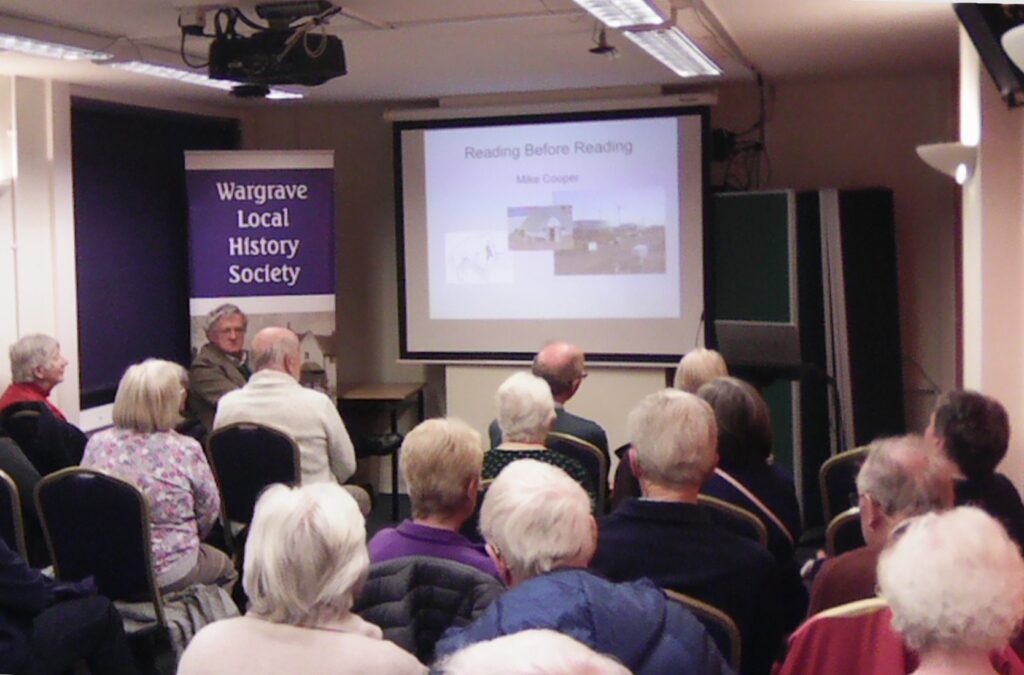
Mike Cooper explored the evidence for human habitation in the area with members of Wargrave Local History Society at their recent meeting.
He began with a study of the land 500,000 years ago.
After the last Ice Age, half a million years ago, there is evidence that people had already begun to live in the area.
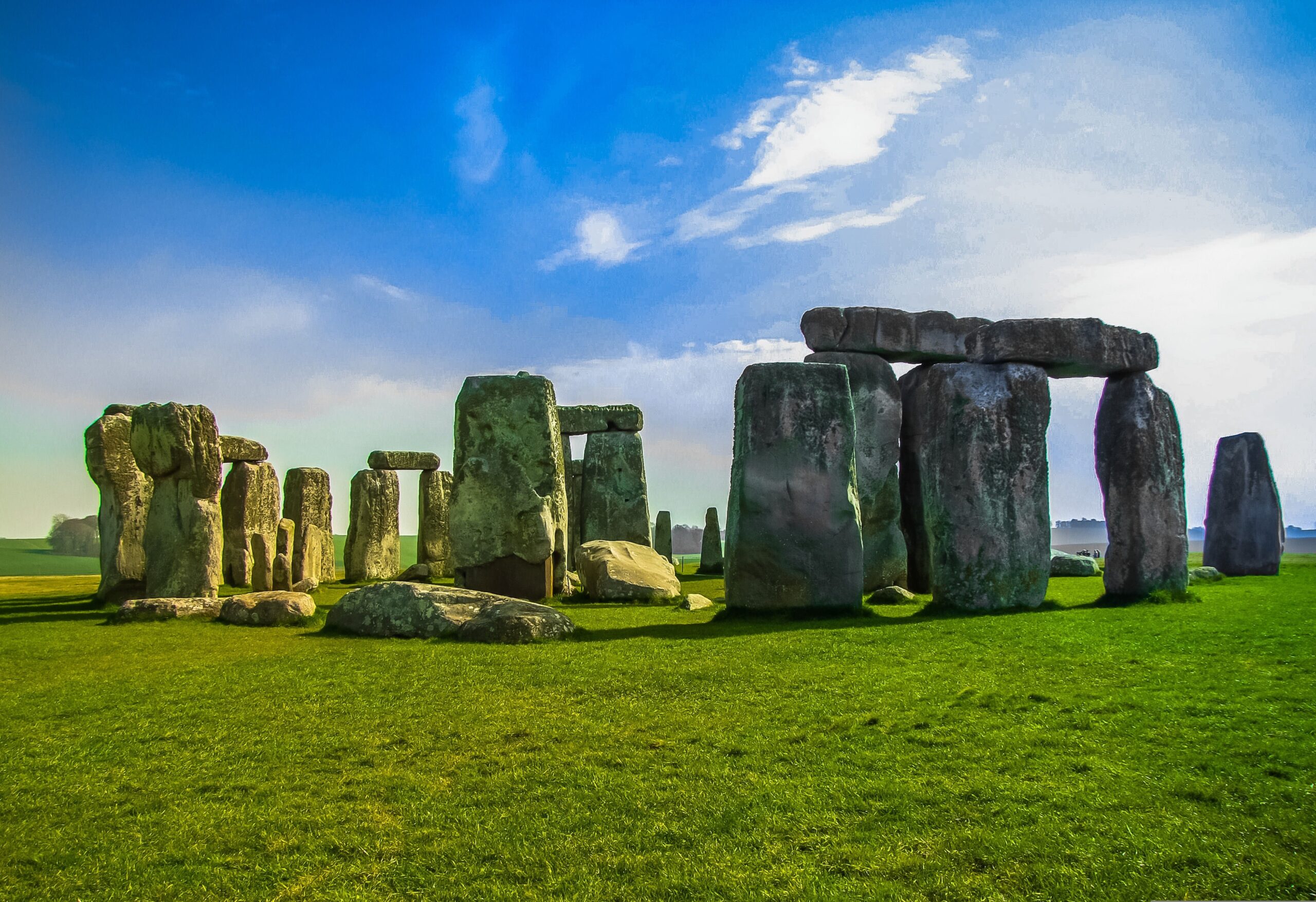
Buildings were constructed from around 10,000 years ago, and the first settlement developed around 2,900BC (before Stonehenge).
Earliest Paleolithic discoveries were made in 1879 during gravel excavation at Grovelands Pit, Reading.
Bones of long-toothed elephants, mammoths, woolly rhinoceros, and deer were discovered, along with man-made flaked stone tools.
The people who made them were not homo sapiens, but homo heidelbergensis; Neanderthals.
More than 200 Neanderthal hand axes (pear-shaped pieces of flint for slicing or hammering), were found at Kidmore End, north Caversham.
But by the Mesolithic period, (10,000BC to 4,200BC), hunter-gatherers had developed different tools.
woods and forests grew in the more temperate climate, and people were able to grow plants for textile fibres, as well as for food.
Local evidence reveals they used axe heads; an ox skeleton found on the Thames Valley Park flood plain bears cut marks from a man-made tool.
And in Earley, stake holes in the ground suggest that buildings were constructed.
Around 100 human life-times ago, in the Neolithic era, Britain became an island.
The Thames was already following its present course through the Reading area, and flood plains dictated where people could live.
The people; ancestors of the British Celts, were becoming more similar to Europeans than their Neanderthal predecessors.
They used wood to construct buildings, farmed, made pottery, and established more permanent settlements.
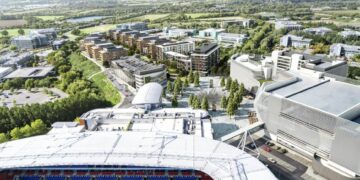
Archaeological work ahead of the Green Park office park development has revealed a stone-age monumental earthwork and two ring ditches.
Significantly, people began to use bronze rather than stone, hammering the metal into shape to make axe heads, and sharp spear-shaped cutting tools.
The Bronze Age was a time of change, with people, trade, cultures and ideas coming from the continent.
People altered the landscape too, carving shapes into chalk hillsides, such as the White Horse at Uffington, while individual burial plots began to be used, rather than earlier communal burial mounds (Bronze Age burial cremation urns have been discovered at Green Park archaeological site).
Field boundaries, were also discovered, along with more than a thousand post holes, indicating that at least 30 buildings had been erected there.
Other discoveries show that the people wore practical, sensible, woolen clothing, that tools, such as querns, stone axes and bronze implements were made and used, and that cattle, sheep, pigs, and domesticated horses were tended.
Then Britain entered the Iron Age.
Techniques improved, and iron was used for a range of products.
Ancient two-foot-long iron bars have been found in the Reading area, as well as individual coins made by different tribes: the Atrebates (from Berkshire and Hampshire) and the Regni ( from Sussex) indicating that people travelled to trade.
They dyed woven tartan-like fabric for clothes, and built hill-top forts, such as Caesar’s Camp (a large enclosed settlement much older than its name implies), near Bracknell.
Two female skeletons near Crane Wharf, in Reading, are the earliest evidence of Iron Age people occupying the town centre area.
Another Iron Age feature, from 400BC, is an earthwork known as the Tilehurst bank, which may have been a field boundary, a territorial boundary, or the remains of a larger structure.
By 871, (or perhaps even 400 years earlier) Reading was named.
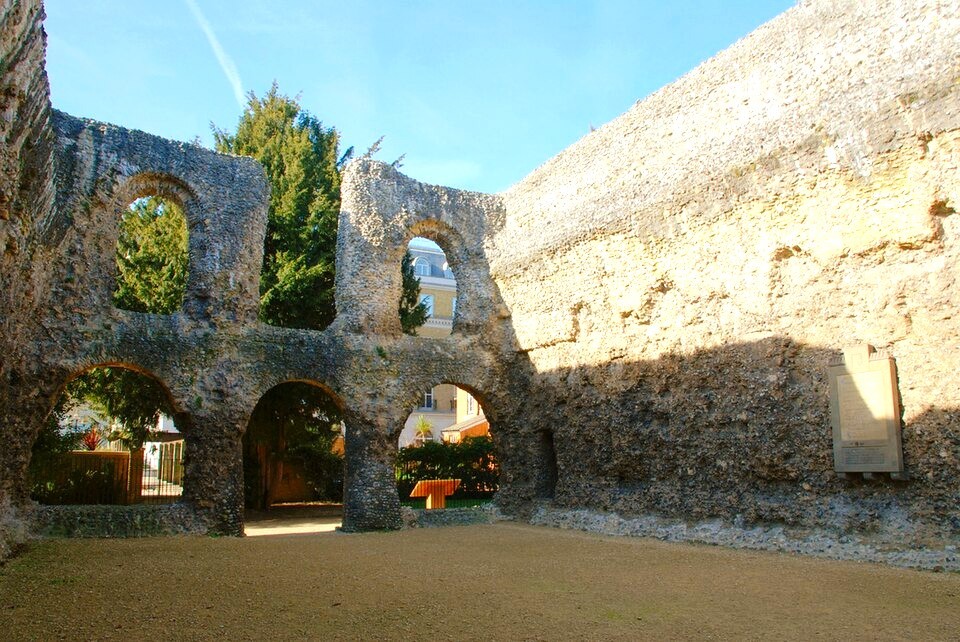
Its earliest buildings include parts of St Mary’s church, and Reading Abbey remains, built around 1150AD and mentioned in the Domesday survey of 1086AD.
Early local burials date from 1200BC to 890BC, long before the town was built, but inside the town itself, the earliest burial is just from around 230AD.
So, compared to the length of time people have lived in the area, Mike concluded, Reading itself is not that old.
For information about Wargrave Local History Society, visit: wargravehistory.org.uk