








• Make a contribution
  • Get the Print Edition
  • Sign up for our daily newsletter
Wednesday, June 3, 2026
  • Login
Reading Today Online
  • HOME
  • YOUR AREA
    • All
    • Caversham
    • Central Reading
    • East Reading
    • Katesgrove
    • Reading
    • Southcote & Coley
    • Tilehurst & Norcot
    • Whitley

    Man in his eighties dies of injuries after serious road collision

    PCC Matthew Barber marks Volunteers’ Week

    Police appeal for help tracing wanted man with links to Reading

    Serial rapist from Reading sentenced to nearly 30 years for string of violent sexual offences and blackmail

    Uni of Reading welcomes five new llamas to nanobody research herd

    Supermarket scans spotted 170 lung cancer cases in Thames Valley

    New set of vehicles comes to Reading Buses fleet as Yellow 26 goes electric

    Readi-XOX: Readipop returns with XOX showcase in June

    NHS: One month left for eligible people to get COVID-19 vaccination

  • COMMUNITY
  • CRIME
  • READING FC
  • SPORT
    • All
    • Basketball
    • Football
    • Rugby

    Reading FC confirm first pre-season friendly of the summer

    Reading FC face battle for transfer target as Oxford United move ahead

    ‘He’d be a big loss’: Reading FC legend comments on transfer speculation surrounding Royals’ star

    Former Reading FC star becomes free agent after being released by Championship club

    Berkshire and Oxfordshire take win a piece in NCCA T20 double header

    Shortlist announced for Football in Berkshire 2026 awards

    Reading FC could be set for big fee as former winger is linked with big money Premier League move

    Work starts on Reading FC’s pitch in ‘major summer of investment’

    Reading FC Women conclude season of progress

  • ENTERTAINMENT
    • ARTS
    • READING FESTIVAL
    • READING PRIDE
    • WOKINGHAM FESTIVAL
  • READING FESTIVAL
  • BUSINESS
  • MORE…
    • ADVERTISE
    • CONTACT US
No Result
View All Result
Reading Today Online
No Result
View All Result
Home Featured

Uni of Reading: Pressure for natural birth is causing lasting harm to new mothers, research shows

Jake Clothier by Jake Clothier
Wednesday, June 3, 2026 8:58 am
in Featured, Health
A A
Pressure on women  to have a natural birth is causing lasting psychological harm when it does not go to plan, new research shows.

Pressure on women to have a natural birth is causing lasting psychological harm when it does not go to plan, new research shows.

Share on FacebookShare on Twitter

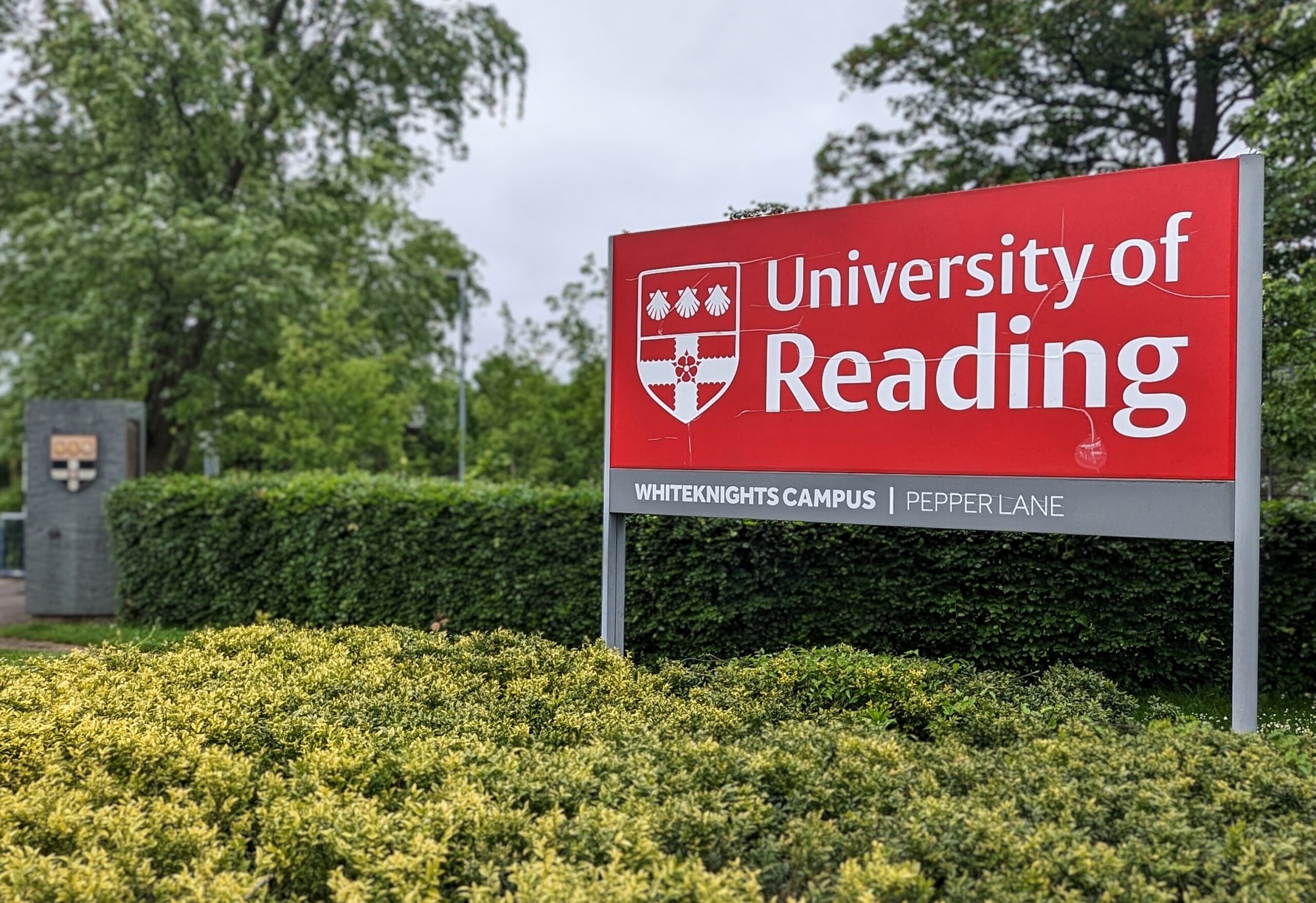
PRESSURE on women from antenatal classes, social media, and healthcare professionals to have a natural birth is causing lasting psychological harm when it does not go to plan, new research shows.

A University of Reading study found that the messages women receive during pregnancy are directly linked to the shame and self-blame many feel when those expectations are not met.

For the first time, the research provides an explanation for why unmet birth expectations contribute to psychological harm.

Several women involved in the research said they felt they had not given birth “properly”, even when medical intervention had saved their lives.

Published this week in Social Science & Medicine, the findings come as figures show an increasing problem of mental health crises among post-natal women.

The latest BBC Panorama, ‘Maternity Failures: The Fight for Justice’, which aired on Monday, June 1, highlights issues raised in the new study.

Related posts

RBFRS shares guidance on avoiding fires this summer

Crimestoppers: South East among most likely to say waste crime affects quality of life

Thames Water: May Bank Holiday saw more than 1 billion litres of water in extra demand

Man in his eighties dies of injuries after serious road collision

The researchers interviewed 21 first-time mothers in the UK whose births did not go as planned. From

NCT and hypnobirthing classes, to social media to midwives, the researchers heard how women are surrounded by messaging that frames natural, unmedicated vaginal birth as the “gold standard”, not just medically preferable, but as a mark of being a good mother and the first test of maternal worth.

Research shows around half of women report their birth differed significantly from their expectations – and for the women in this study, all of whom experienced exactly that, the psychological consequences were profound.

Women judged themselves against the internalised moral standard that the ideology had created. Stories the women (all given pseudonyms) shared include that of Alexandra, who nearly died during labour but still felt she had not given birth properly because she needed an emergency caesarean.

Maggie, who needed an unplanned caesarean after being induced, asked, “Why couldn’t my body birth the baby that it had grown?”, describing a sense that her body had betrayed her at the moment that mattered most.

Elizabeth, who was separated from her baby immediately after birth, said she felt she had “ruined” her relationship with her baby from the moment of birth, a fear rooted in antenatal messaging about the critical importance of immediate skin-to-skin contact in the first hour after delivery.

Ellie said she felt pressure to “rectify” the feelings she had towards her baby in the months after birth, to make up for the bond she felt she had missed.

Gabriella described how an unplanned caesarean “shaped the way I see myself as a mum”.

Researchers are calling for antenatal education to stop treating one kind of birth as the goal and to present all birth outcomes as equally valid routes to motherhood. They also call for better postnatal screening for women whose births did not go as expected, specifically targeting the shame, self-blame and identity disruption that this research identifies as mechanisms underlying birth trauma.

The findings align with and extend the conclusions of the Kirkup, Ockenden, and Birth Trauma Inquiry reports, all of which documented how the institutional pursuit of ‘normal birth’ contributed to preventable harm. This research provides the first theoretical explanation of how that ideology generates individual psychological harm and points to antenatal messaging as the primary site of such preventable harm.

The study was funded by the Economic and Social Research Council.

Rebecca Matthews, lead author and PhD researcher at the University of Reading, said: “These women were not failed by their bodies, they were failed by the messages they were given.

“Birth trauma does not begin with birth. It begins in the ideology sold to women throughout pregnancy. For the first time we can explain precisely how, by showing how birth culture creates a moral standard for women that defines what a good mother does and then leaves them to blame themselves when birth does not match that.

“Until we reform the way we prepare women for birth, we will keep seeing the same devastating consequences for mothers and their babies.”
Keep up to date by signing up for our daily newsletter

We don’t spam we only send our newsletter to people who have requested it.

Check your inbox or spam folder to confirm your subscription.

Previous Post

RBFRS shares guidance on avoiding fires this summer

FOLLOW US

POPULAR STORIES

  • Former Reading FC star becomes free agent after being released by Championship club

    0 shares
    Share 0 Tweet 0
  • Teenage boy charged with murder following Lower Earley stabbing

    0 shares
    Share 0 Tweet 0
  • Latest on the redevelopment of The Oracle in Reading

    0 shares
    Share 0 Tweet 0
  • One arrested, one dead, and murder investigation launched after Lower Earley stabbing

    0 shares
    Share 0 Tweet 0
  • One dead, two being treated, following confirmed Meningitis case in Reading

    0 shares
    Share 0 Tweet 0

RDG.Today – which is a Social Enterprise – provides Reading Borough with free, independent news coverage.

If you are able, please support our work

Click Here to Support RDG.Today

ABOUT US

Reading Today is dedicated to providing news online across the whole of the Borough of Reading. It is a Social Enterprise, existing to support the various communities in Reading Borough.

CONTACT US

news@wokinghampaper.co.uk

Reading Today Logo

Keep up to date with our daily newsletter

We don’t spam we only send our newsletter to people that have subscribed

Check your inbox or spam folder to confirm your subscription.

The Wokingham Paper Ltd publications are regulated by IPSO – the Independent Press Standards Organisation.
If you have a complaint about a  The Wokingham Paper Ltd  publication in print or online, you should, in the first instance, contact the publication concerned, email: editor@wokingham.today, or telephone: 0118 327 2662. If it is not resolved to your satisfaction, you should contact IPSO by telephone: 0300 123 2220, or visit its website: www.ipso.co.uk. Members of the public are welcome to contact IPSO at any time if they are not sure how to proceed, or need advice on how to frame a complaint.

Welcome Back!

Login to your account below

Forgotten Password?

Retrieve your password

Please enter your username or email address to reset your password.

Log In
No Result
View All Result
  • HOME
  • MY AREA
    • Central Reading
    • East Reading
    • Bracknell
    • Calcot
    • Caversham
    • Crowthorne
    • Earley
  • CRIME
  • COMMUNITY
  • SPORT
    • Reading FC
    • Football
    • Rugby
    • Basketball
  • ENTERTAINMENT
    • ARTS
    • READING PRIDE
    • WOKINGHAM FESTIVAL
  • READING FESTIVAL
  • OBITUARIES
  • BUSINESS
  • ADVERTISE
  • CONTACT US
  • SUPPORT US
  • SIGN UP FOR OUR NEWSLETTER
  • WHERE TO GET THE PRINT EDITION

© 2021 - The Wokingham Paper Ltd - All Right Reserved.