













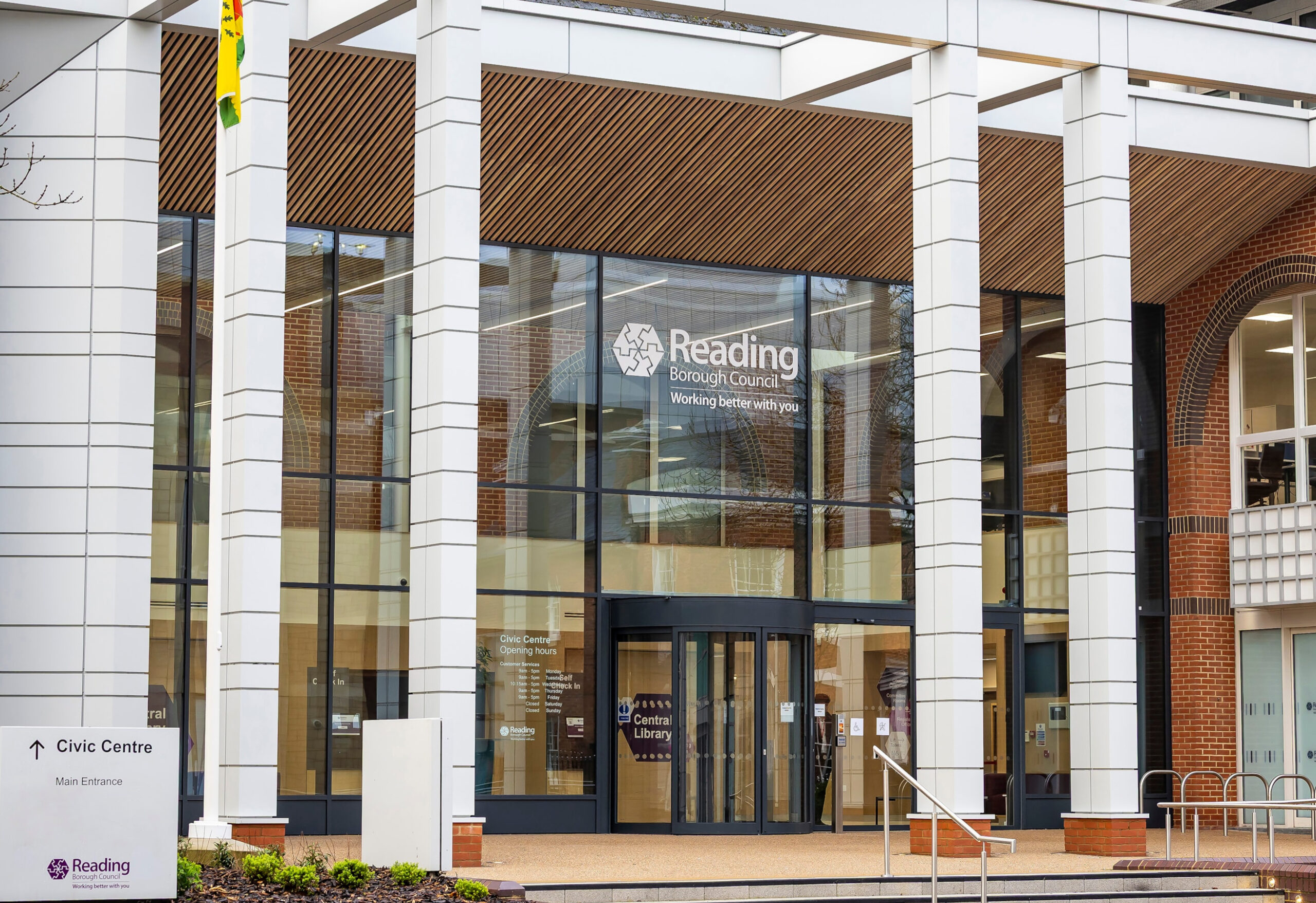
Thousands of people in Reading are set to benefit from a council tax support scheme that reduces the bill for people and families with lower incomes.
Reading Borough Council has increased council tax by 4.99 per cent for years in a row.
But those who are on low incomes can get a reduction in their bill through the council tax support scheme, which thousands of people benefit from.
A nationwide scheme was abolished in 2012, with the council devising its own in 2013 and the current scheme formed in 2022/23.
The council is considering reforming it to introduce a banded income scheme which would impact how much some households get.
From the beneficiaries in a snapshot from May this year, of 4,174 live claimants, 3,225 (77.2 per cent) of them will see no change; 477 (11.4 per cent) will gain from the proposals; and 472 (11.4 per cent) will lose as a result of the proposals.
It states: “All residents identified as losing out through these proposals will be contacted and invited to contribute to the consultation and invited to seek additional support to ensure they are maximising their income and offered debt advice.
“Access to the Crisis and Resilience Fund may be appropriate in some cases.”
The proposed change was discussed at a policy committee meeting on September 16.
Mr Carter stated that a reformed system would align with the managed migration of housing benefit, which concluded in June.
Ruth McEwan (Labour, Church), lead councillor for resources, said: “It aims to be cost neutral, easier for residents to understand, reducing processing times, and supporting residents on the lowest incomes to afford the council tax liability whilst also improving collection rates.
“Importantly, this scheme aims to be easier for residents to understand, and with fewer bills, reduced administration costs, and an automatic reduction can be awarded if the resident is on Universal Credit, if necessary.”
Councillor Rob White (Green, Park) said: “Because the new scheme is designed to be roughly cost neutral, there are some winners and some losers.
“Importantly, 472 people, households or families would get less support.
“For some people, the amount they could lose is quite significant.
“Of those, 66 are in groups losing more than £500, within that, there is a small number of people who are going to lose out on £1,000.
“We’re still concerned for those people, families or households that will lose it. I’m interested if there is anything more that could be done in terms of transition to help people with that.
“For the people that are losing a big chunk of money, that is going to be very difficult.”
The council’s policy committee unanimously approved the changes to go to a statutory consultation, which will be published on its Go Vocal website.