

















THE UNIVERSITY of Reading has produced a new blood test which could spare survivors of heart attacks and strokes from repeat incidents.
The TRIPLEcheck test was developed at the University of Reading and helps doctors make better decisions over prescriptions to prevent heart attacks and strokes.
TRIPLEcheck was designed using data from around 650 healthy volunteers in a programme led by UoR’s Professor Jon Gibbins, and was checked on 350 patients with heart disease.
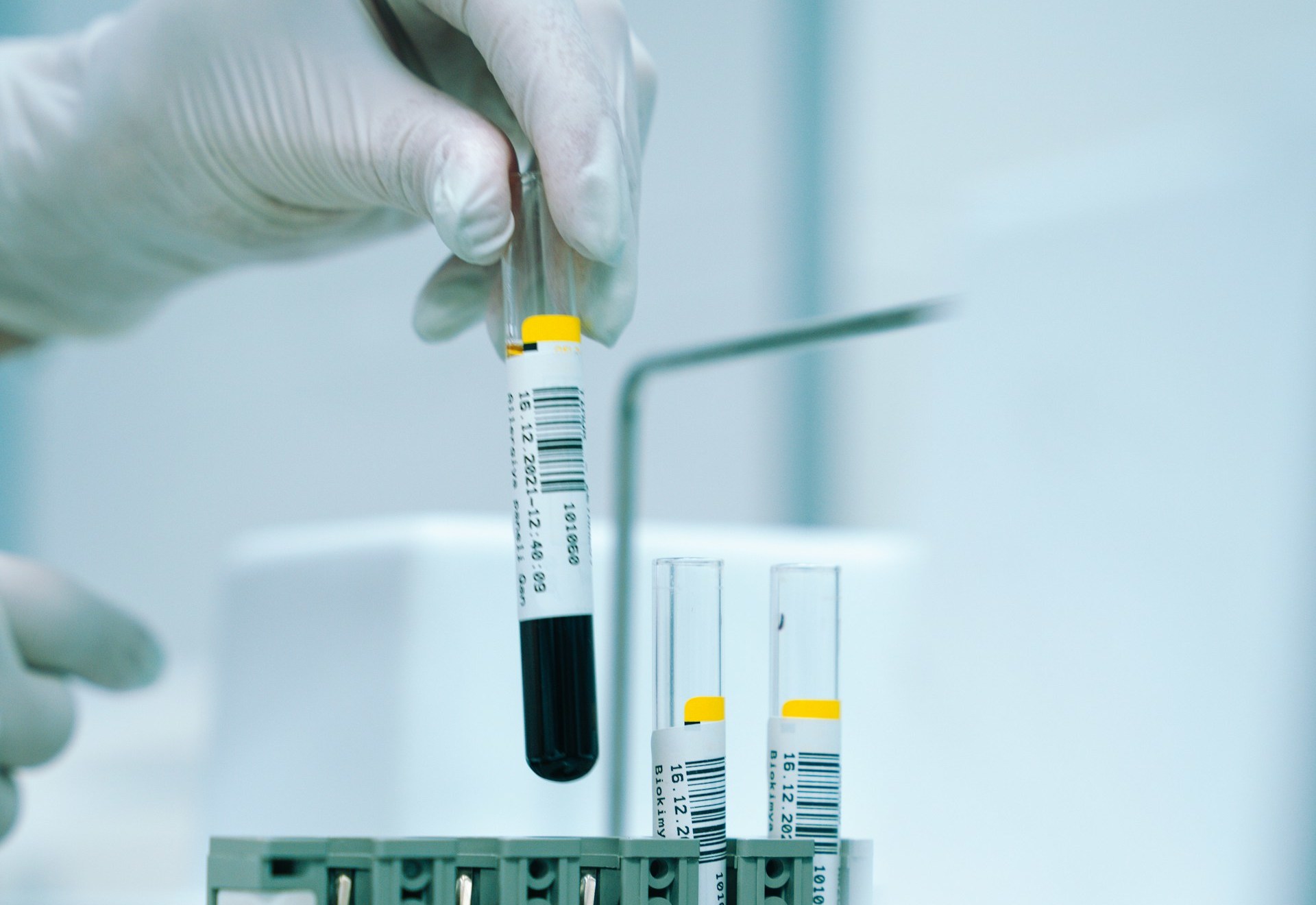
The test requires just one small tube of blood, taken alongside a patient’s other routine blood tests when they arrive at hospital.
A new British Heart Foundation trial has just started that will recruit an additional 400 heart attack patients to demonstrate the use of the test method in clinical care.
There are 200,000 heart attacks and strokes in the UK every year – around one every 2.5 minutes– and the majority of these patients are given antiplatelet drugs.
These drugs prevent a second heart attack or stroke by stopping platelets, the tiny blood cells that block blood vessels in heart attacks and strokes, from clumping together.
For some patients, antiplatelet drugs do not work, and for others they can cause bleeding, but the new test can show care providers where the patient’s platelets are likely to clump, and where there is greater danger of bleeding.
Researchers say this could be a vital step in ‘turning the tide’ on treating repeat heart attacks and strokes.
Heart and blood vessel disease claims about a third of all deaths around the world, adding up to around 20 million deaths every year and touching over 500 million lives.
In the UK, it takes around 170,000 lives a year, more than a quarter of all deaths in the country.
Drugs that stop blood clots have already transformed heart care, with death rates from heart and blood vessel disease in the UK falling by three-quarters over the past 60 years, however researchers say that progress appears to have stalled.
HaemAnalytica, a University of Reading spin-out company co-founded by Professor Jon Gibbins and Associate Professor Chris Jones, is seeking to get TRIPLEcheck into hospitals within five years.
Professor Jon Gibbins, who led the work at the University of Reading, said: “For decades, every patient has been given the same drugs at the same strength, even though scientists know that patients’ platelets respond differently to medication from person to person.
“Our inability to give the right medication to the right patient is part of why second heart attacks and strokes keep happening.
“TRIPLEcheck lets us measure each patient’s risk before we choose their treatment, making medicines safer and more effective. Our trial could improve the treatment of heart attacks and strokes worldwide, preventing hundreds of thousands of deaths and saving the NHS millions of pounds every year.”