









A call has been made for more tree planting in densely populated areas of Reading to help tackle climate change.
Reading Borough Council has a commitment to planting hundreds of trees, which is laid out in its Tree Strategy.
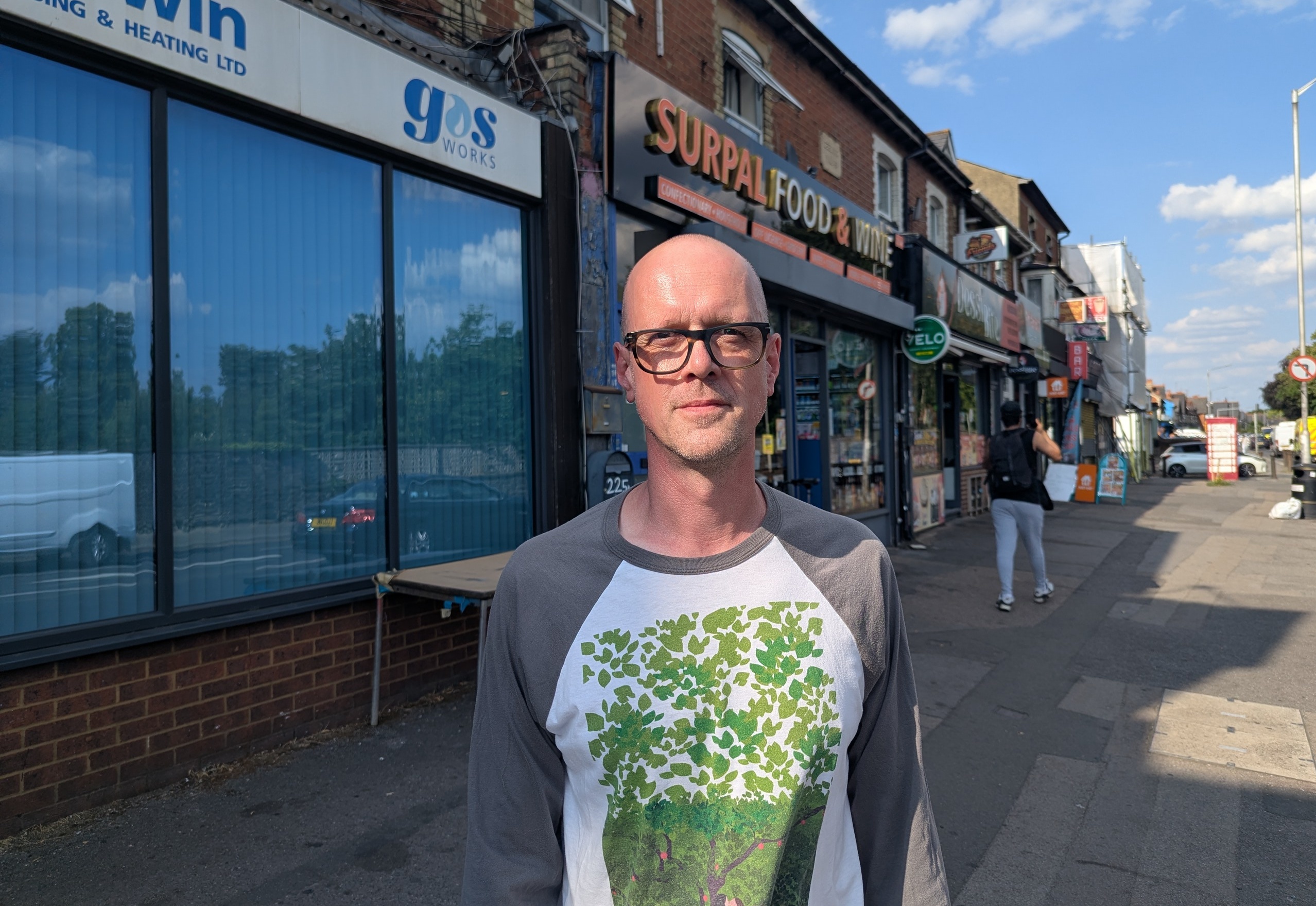
But opposition councillor Josh Williams has argued that some areas of Reading benefit more than others, with his neighbourhood of Newtown having just two trees planted in it in the last four years.
He raised this issue at a council policy committee meeting on July 13.
Cllr Williams (Green, Park) said: “Trees help fight climate change, and in the extreme heat they can provide shade, habitats for wildlife, and improve our health. We all need trees.
“The council’s stated policy is that it will prioritise tree planting to areas with lower canopy cover, which it identifies through the tree equity score.
“The lowest tree equity score in Park Ward is in Newtown, where I live, and where the council has planted just two new trees since 2022.
“Can the lead councillor tell us what the challenges are to planting trees in an urban area like Newtown, and what the council is doing to meet and overcome those challenges?”
His question was answered by John Ennis (Labour, Southcote), lead councillor for climate strategy.
Figures he provided showed hundreds of trees have been planted by the council in the last four years:
2022-23: 338
2023-24: 317
2024-25: 312
2025-26: 304
From 2023 to date, 15 trees have been planted in Park ward.
Cllr Ennis said: “The council fully recognises the vital importance of trees outlined by cllr Williams, and this is why an up-to-date Tree Strategy was put in place in 2021 with highly ambitious targets including increasing the council’s own planting from 200 to 300 per year and increasing the percentage of the Borough that is covered by tree canopy from 18 per cent to 25 per cent by 2030.
“Since the Tree Strategy was adopted, the council has made excellent progress with its own tree planting, which is only part of the picture.
At the same time, there have also been increases in trees within new development sites.
“Tree planting has also taken place elsewhere on private sites which we are not in a position to fully monitor.”
Cllr Ennis then referred to the strategy goal of ensuring all wards have at least 12 per cent canopy cover by 2030.
So far, Park ward has 14.9 per cent canopy cover.
He went on to explain the complexities of planting trees in some areas.
Cllr Ennis said: “Tree planting within densely developed urban areas, such as much of Park Ward, presents a number of significant challenges.
“These areas often contain extensive underground utility infrastructure, including water, gas, electricity, telecommunications and drainage services, which can limit the availability of suitable planting locations. In addition, there are constraints relating to the amount of available highway space, as sufficient width must be maintained to allow the safe and convenient movement of pedestrians, cyclists and vehicles.
“Inappropriately located trees can create future conflicts with buildings, boundary walls, footways and carriageways, including issues related to root growth, canopy spread and ongoing maintenance requirements.
“The council will continue to look for opportunities to plant on its own land across the borough but will also continue to apply the priorities set out in the adopted Tree Strategy.”