















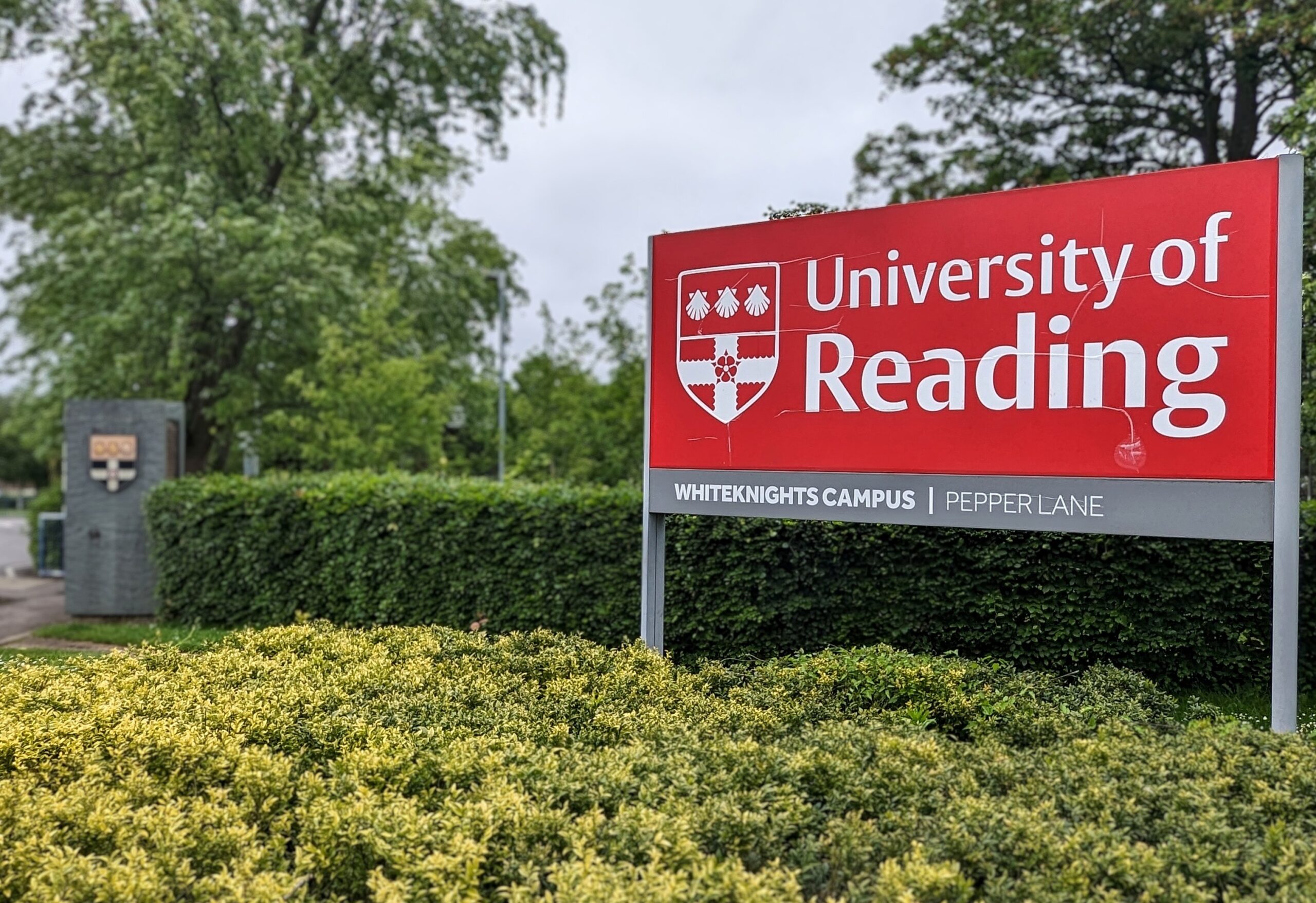
YET MORE statistics showing how exceptionally hot this summer has been have been released by the University of Reading.
Meteorological data from the university shows that July was the warmest and sunniest month on University of Reading records, as well as being the driest July on record.
Multiple weather records were broken throughout the month: July’s mean daily temperature was 21.2 °C, the hottest month on record.
This surpassed July 2006’s previous record of 21.1 °C and stands 3.4 degrees above the current 30-year average 1991-2020.
The mean daily maximum temperature was 28.3 °C, more than a degree above the previous highest for any month, of 27.2 °C– also in July 2006.
The hottest day of the month was 9 July, at 34.4 °C. In all, 8 days in July reached or exceeded 30 °C.
This year to date, 30 °C has already been reached or exceeded on 16 days – 3 in May, 5 in June and now 8 in July.
The previous highest for any calendar year was 14, in 1976, with August and September still to come in 2026.
Only two days failed to reach 25 °C in July. The coolest day of the month, on 19 July, reached 23.2 °C, meaning that every single day in July was hotter than the 30-year average for the month: 22.7 °C.
July’s total sunshine duration was 359 hours, a daily average of 11.6 hours. The 30-year average for July is just 204 hours, or 6.6 hours per day.
This is by a wide margin the sunniest month ever recorded at the university, where sunshine records began in 1956.
The previous sunniest month was May 2020, when 345 hours of sunshine was recorded.
Less than a centimetre of rain (0.9mm) fell last month, making it the driest July on record.
Previously the driest July on record was in 2022, which saw three times as much rain (3.1mm).
The 30-year average for the month is 49 mm, meaning July’s rainfall amounts to just 2% of the average.
Dr Stephen Burt, University of Reading, said: “July was a remarkable month – the hottest and sunniest month on the university’s near 120-year record–it was also by far the driest July.
“Remarkably, each of the last three months, May, June and now July, have all established new records on our records for the highest mean temperature in that month.
“This is statistically unprecedented.”
He explained: “Some parts of the Reading area remained without measurable rainfall throughout the calendar month, the only time this has happened since continuous local rainfall records began in 1858, almost 170 years ago.
“The official Met Office/Environment Agency raingauge at Stratfield Mortimer, south-west of Reading on the Berkshire/Hampshire border, recorded nil rainfall for the month. In Wokingham, just 0.1 mm fell during July.
“The previous lowest rainfall for any calendar month in the Reading area was 0.5 mm, at the university’s London Road site in June 1925.”