
















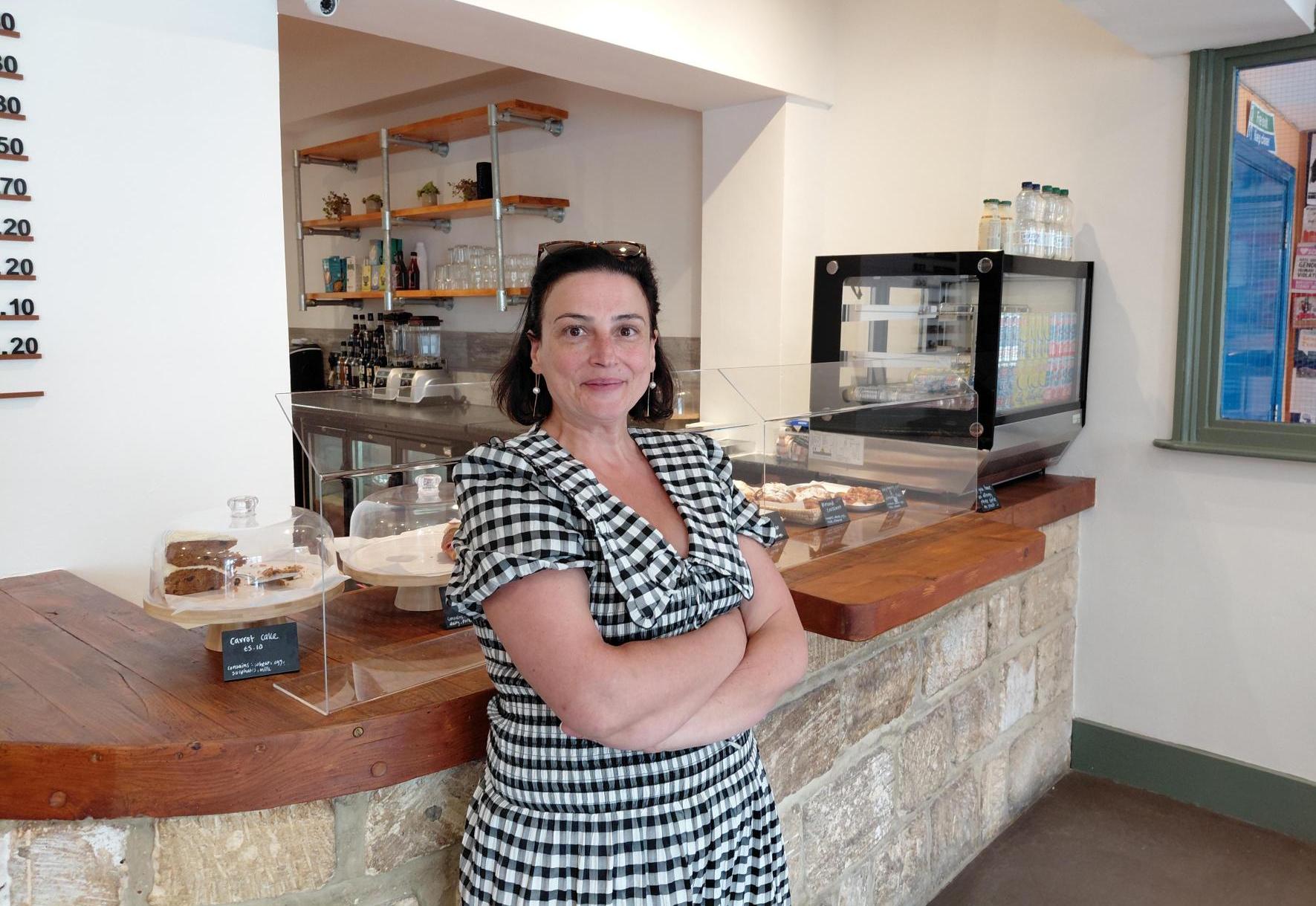
A refugee charity CEO has called for asylum seekers to be given the right to work, as one of the men she supports had to wait 20 years for his claim to be approved.
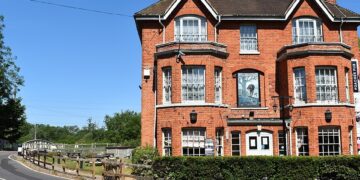
The Refugee Support Group is based at the Reading International Solidarity Centre in London Street.
The charity, founded in 1994, supports refugees and asylum seekers in Reading and beyond with legal advice, English lessons, integration and more.
The group opened The Sanctuary Café at the Reading International Solidarity Centre in London Street on Wednesday, July 29.
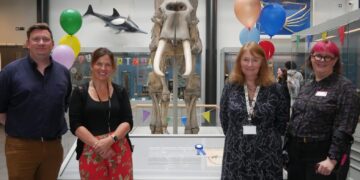
The charity’s CEO, Najwa Abdallah, has called for asylum seekers to be given the right to work faster.
While refugees arrive in the UK through government schemes and are allowed to work, asylum seekers, who have used irregular routes such as small boats or hiding in ships and lorries, are allowed to work after a year of being in the country.
When asked whether it would be helpful if this law was changed to allow asylum seekers to enter employment faster, Mrs Abdallah said: “Yes, because we have a lot of people with a lot of skills and expertise.
“We’re losing that instead of using that. A lot of them [asylum seekers] don’t want to sit around and do nothing. It’s not good for their mental health.
“It’s not good for their self-esteem.”
The law on allowing asylum seekers to work in the UK is more restrictive compared to other countries.
In Sweden and Canada, asylum seekers are granted the right to work almost immediately or upon application submission.
In Germany and Austria, people are allowed to work after a three-month waiting period.
And in France, the USA and the Netherlands, they are typically allowed to work after six months.
Meanwhile, in the UK, asylum seekers cannot normally work unless their claim takes over 12 months to process.
However, asylum seekers are allowed to volunteer, which a charity client was doing during the interview at The Sanctuary Café.
Mrs Abdallah explained: “Our clients come and volunteer with us. So for example, one of our clients doesn’t have the right to work, so she’s volunteering in the café.
“Most of our volunteers are asylum seekers, and most of our staff have the lived experience of forced displacement.
“So they came to UK, became a client, they volunteered with us, and now they are employed by us.”
A common perception is that asylum seekers work in the ‘gig economy’, largely through food delivery apps.
Mrs Abdallah was unable to comment on whether her clients are involved in work in this way.
She said: “The system is pushing people more underground.
“The more complex you make the system and the more difficult it is to process their applications, the more you will drive these like dark sides of things, resulting in more exploitation of people.”
It was then that she stated one client had to wait for years on end for his claim to be processed, locking him out of the job market.
When asked how long the average asylum process takes, Mrs Abdallah replied: “So long. We have someone who has been a client for 20 years, and only recently he got his papers sorted.”
One of the Refugee Support Group’s six priorities is to support people affected by trafficking, exploitation and abusive employment situations.
The visit took place on Thursday, August 6.
That same day, Zia Yusuf, the Home Affairs spokesperson for Reform UK, announced that his party would fine companies 10 per cent of global revenues if they are found to hire people who have no legal right to work in the UK.