



















• Make a contribution
  • Get the Print Edition
  • Sign up for our daily newsletter
Saturday, October 10, 2026
  • Login
Reading Today Online
  • HOME
  • YOUR AREA
    • All
    • Caversham
    • Central Reading
    • East Reading
    • Katesgrove
    • Reading
    • Southcote & Coley
    • Tilehurst & Norcot
    • Whitley

    Centinary heritage Tours explore university’s wartime history

    New research shows how pollution interferes with how bees smell flowers

    Sainsbury Singers tell heartwarming and inspirational true story

    Hallowe’en fun comes to The Lexicon

    Councillors: Measures to improve safety measures on Caversham junction a ‘priority’

    Reading School’s Director of Admissions clarifies misconceptions over student demographics

    Decision made on KFC’s 3am delivery and takeaway license

    Berkshire models turn heads on the catwalk

    RaW Sounds Today: Dreamwire, Mr Pineapple, Aircooled

  • COMMUNITY
  • CRIME
  • READING FC
  • SPORT
    • All
    • Basketball
    • Football
    • Rugby

    ‘He’s got a lot of potential’: Reading FC tie promising striker to new contract

    ‘Vanity project’ or fitting tribute? Plan to rename Reading’s A33 after Reading FC legend sparks row

    ‘It’s not great news’: Reading FC dealt injury blow

    Reading FC midfielder out for ‘number of weeks’ with injury

    Richardson faces linked club as Reading take on League One leaders

    ‘It would be surprising’: Bradford City expert gives verdict as Reading FC boss Richardson linked with vacancy

    Rams claim first National One win of the season after remarkable comeback against Rosslyn Park

    Leighton Park hosting Brentford FC trials for budding young footballers

    Reading FC manager Leam Richardson emerges as contender for vacant League One job

  • ENTERTAINMENT
    • ARTS
    • READING FESTIVAL
    • READING PRIDE
    • WOKINGHAM FESTIVAL
  • READING FESTIVAL
  • BUSINESS
  • MORE…
    • ADVERTISE
    • CONTACT US
No Result
View All Result
Reading Today Online
No Result
View All Result
Home Featured

New research shows how pollution interferes with how bees smell flowers

Jake Clothier by Jake Clothier
Saturday, October 10, 2026 8:29 am
in Featured, Reading
A A
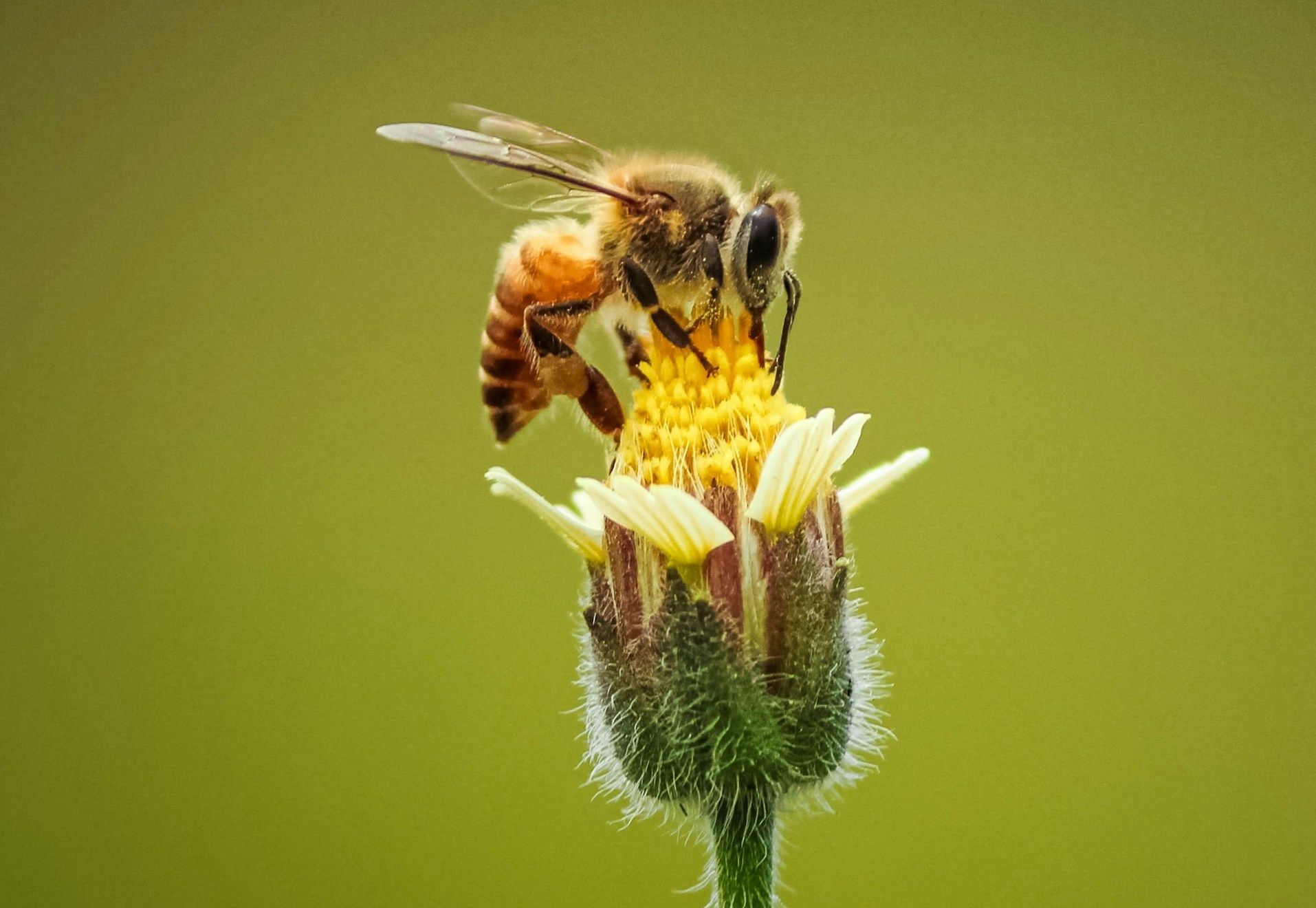
Flowers become harder to smell for bees, moths and other pollinating insects in polluted air, according to research led by the University of Reading. Picture: Ankith Choudhary via UnSplash

Flowers become harder to smell for bees, moths and other pollinating insects in polluted air, according to research led by the University of Reading. Picture: Ankith Choudhary via UnSplash

Share on FacebookShare on Twitter

FLOWERS become harder to smell for bees, moths and other pollinating insects in polluted air, according to research led by the University of Reading.

Scientists analysed 22 experimental studies on how the air pollutants ozone and nitrogen oxides (NOx) affect pollinators. Both pollutants make it harder for pollinators to find flowers by breaking down or altering the scents that flowers give off.

The new research, published in the journal Frontiers in Ecology and the Environment, found that elevated ozone reduced pollinator performance by an average of 42%, while NOx cut performance by 46%. When the two pollutants occurred together, the average reduction was 68%.

Only a few studies tested both pollutants together, and in those the extra harm from combining them was smaller than the averages suggest.

This is because the two gases react with each other in the air and partly cancel each other out.

Diesel vehicles produce most NOx pollution and can stay on roads for more than 20 years after the last new one is sold.

Related posts

NHS team visits pre-school in first of its kind vaccination drive in South East

NHS marks World Mental Health day, outlining suite of support services in South East

Sainsbury Singers tell heartwarming and inspirational true story

Hallowe’en fun comes to The Lexicon

The UK’s delayed ban on new petrol and diesel cars, pushed from 2030 to 2035 risks extending the damage to pollinators.

The study also found that specialist pollinators reliant on one plant’s scent, such as some moths, are more at risk than generalists like many bees.

It also discovered that day-active pollinators such as bees and butterflies face higher ozone levels, while night-active pollinators (including many moths) encounter higher nitrogen oxides.

Dr James Ryalls, lead author of the study at the University of Reading, said: “Ozone levels are projected to keep rising until around 2050, even as NOx emissions begin to fall as the world moves away from fossil fuels.

This creates a difficult period for pollinators over the next two-to-three decades. Once cleaner fuels take over fully, ozone levels should decline, giving pollinators a chance to recover.

“How quickly that recovery happens depends on the choices governments make now. Cutting NOx emissions faster, especially from diesel vehicles, could shorten the difficult period and speed up recovery.

“Most of the food we grow depends on healthy pollinators, so protecting them from pollution cannot wait until 2050.”


Keep up to date by signing up for our daily newsletter

We don’t spam we only send our newsletter to people who have requested it.

Check your inbox or spam folder to confirm your subscription.

Previous Post

NHS marks World Mental Health day, outlining suite of support services in South East

Next Post

NHS team visits pre-school in first of its kind vaccination drive in South East

FOLLOW US

POPULAR STORIES

  • Reading FC manager Leam Richardson emerges as contender for vacant League One job

    0 shares
    Share 0 Tweet 0
  • Reading FC midfielder out for ‘number of weeks’ with injury

    0 shares
    Share 0 Tweet 0
  • Former Reading FC chief axed after just months at Spanish side

    0 shares
    Share 0 Tweet 0
  • Woman dies after M4 collision between Maidenhead and Reading

    0 shares
    Share 0 Tweet 0
  • The four former Reading FC players still looking for their next move as PFA training continues

    0 shares
    Share 0 Tweet 0

RDG.Today – which is a Social Enterprise – provides Reading Borough with free, independent news coverage.

If you are able, please support our work

Click Here to Support RDG.Today

ABOUT US

Reading Today is dedicated to providing news online across the whole of the Borough of Reading. It is a Social Enterprise, existing to support the various communities in Reading Borough.

CONTACT US

news@wokinghampaper.co.uk

Reading Today Logo

Keep up to date with our daily newsletter

We don’t spam we only send our newsletter to people that have subscribed

Check your inbox or spam folder to confirm your subscription.

The Wokingham Paper Ltd publications are regulated by IPSO – the Independent Press Standards Organisation.
If you have a complaint about a  The Wokingham Paper Ltd  publication in print or online, you should, in the first instance, contact the publication concerned, email: editor@wokingham.today, or telephone: 0118 327 2662. If it is not resolved to your satisfaction, you should contact IPSO by telephone: 0300 123 2220, or visit its website: www.ipso.co.uk. Members of the public are welcome to contact IPSO at any time if they are not sure how to proceed, or need advice on how to frame a complaint.

Welcome Back!

Login to your account below

Forgotten Password?

Retrieve your password

Please enter your username or email address to reset your password.

Log In
No Result
View All Result
  • HOME
  • MY AREA
    • Central Reading
    • East Reading
    • Bracknell
    • Calcot
    • Caversham
    • Crowthorne
    • Earley
  • CRIME
  • COMMUNITY
  • SPORT
    • Reading FC
    • Football
    • Rugby
    • Basketball
  • ENTERTAINMENT
    • ARTS
    • READING PRIDE
    • WOKINGHAM FESTIVAL
  • READING FESTIVAL
  • OBITUARIES
  • BUSINESS
  • ADVERTISE
  • CONTACT US
  • SUPPORT US
  • SIGN UP FOR OUR NEWSLETTER
  • WHERE TO GET THE PRINT EDITION

© 2021 - The Wokingham Paper Ltd - All Right Reserved.