



















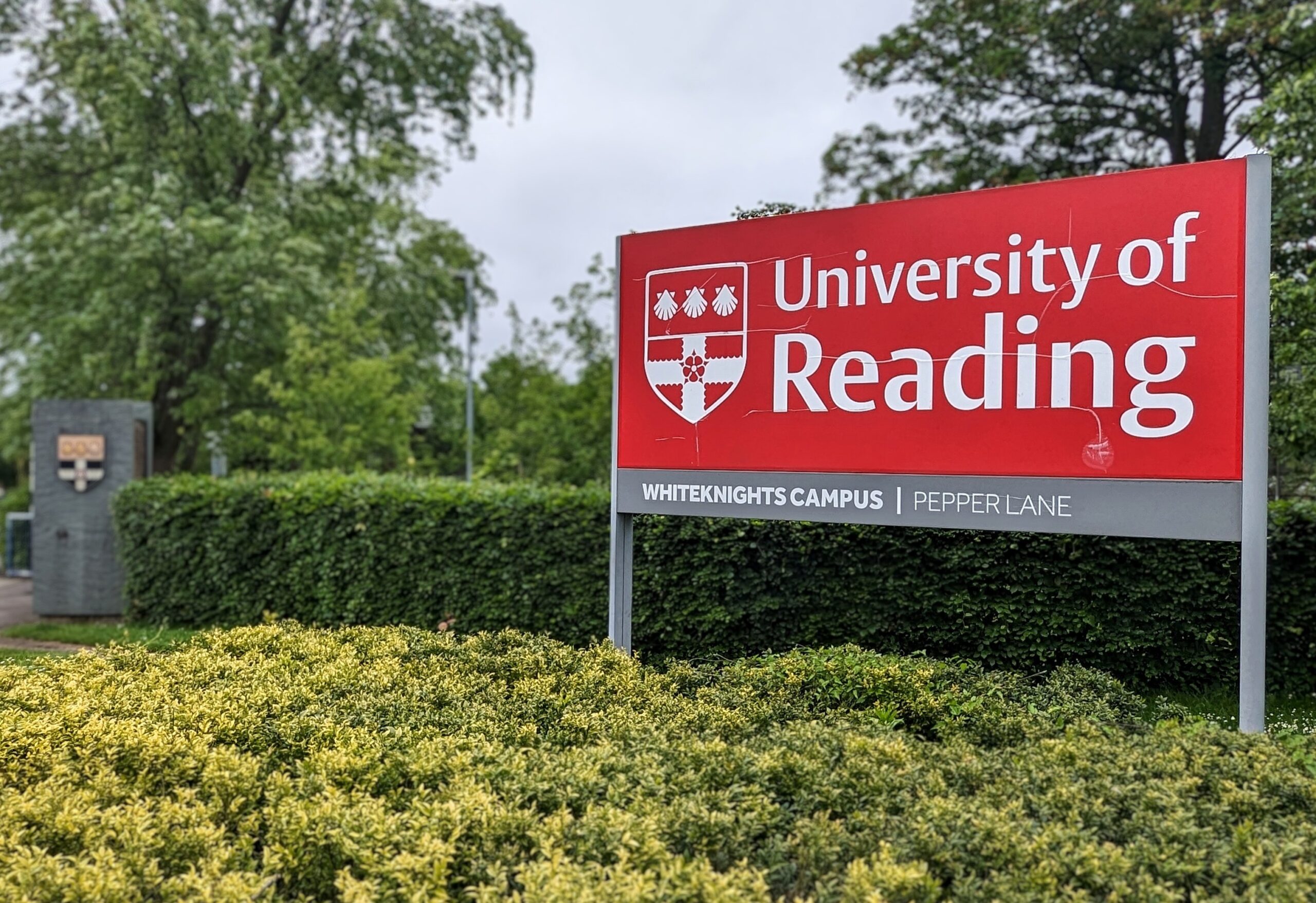
EXPERTS have warned of a heightened risk of wildfires after fifteen days this year have reached 30°C or higher, according to data from the Reading University Atmospheric Observatory.
This means 2026 has already overtaken the 14 days recorded in 1976–with half of this year’s summer still to go.
It comes after figures recorded by the university showed a straight week of temperatures over 30°, from Monday-Sunday, July 6-12.
That week, along with three straight days at the end of May, and five consecutive days in late June, which all also reached over 30°, means that more than two weeks of this year have seen extended spells of extremely hot weather.
Five days were in the top 20 highest temperatures ever recorded at the University of Reading since data collection started in 1908.
Professor Andrew Charlton-Perez, University of Reading, said: “For half a century, 1976 was the benchmark every hot summer got measured against. Now 2026 has taken its place. We’ve recorded 15 days above 30°C so far this year, overtaking the 14 days set in 1976, and there’s still six weeks of summer left to go.
“The continuous extreme heat shows our climate is shifting, not just having a warm spell. Summers this hot and dry used to be rare, once-in-a-generation events.
“Now they will be far more frequent, and that brings real dangers for public health that we cannot afford to ignore.”
Dr Stephen Burt, University of Reading, said: “The heatwave is only part of the story. Behind the high temperatures, a serious drought has been building for months.
“We’ve had less than half the average rainfall since early March, and only 2mm in the past four weeks. There has only been ten days of rain so far in summer 2026.
“A wet winter has helped keep us going so far, but reservoir stocks in the south and east must be depleting rapidly, and further enforced water restrictions can’t be far off.
“This is something that will affect all of us, from farmers and gardeners to whole communities, and it’s likely to matter for a long time after the current heatwave has passed.”
Professor Hannah Cloke, Regius Professor in Meteorology and Climate Science at the University of Reading, said: “People still think of wildfires as something that happens abroad, not here. It doesn’t take a forest to start a wildfire, just one spark and a dry summer.
“The current heatwave has left much of the UK’s vegetation tinder dry, and combined with windy conditions, that means any ignition source, whether from a barbecue, a discarded cigarette or hot sparks from machinery, could start a fire that spreads fast and is hard to control.
“There is also a hidden risk here. As more people use more water to cope with the heat, water companies sometimes reduce pressure to conserve supplies, and that leaves firefighters at a real disadvantage right when they need water most. It’s estimated that well over a million homes in England could be at some risk from wildfire, so this is not just a rural problem.
“People can help by avoiding barbecues and naked flames in dry grass or woodland, and by being mindful of their water use. A little caution now could prevent a much bigger problem later in the week.”