

















WITH several water restrictions in place across the UK at the moment and further heatwaves on the way later this summer, an expert from the University of Reading has explained why restrictions on water are put in place.
Thames Water has joined South East Water, Affinity, Anglian Water, South West Water, Southern Water, and Cambridge Water in placing Temporary Use Bans (TUBs) in force this month.
This means tens of counties across the country, including parts of Berkshire, are currently seeing bans placed on water usage for things like swimming and paddling pools, cleaning the car, and in the garden.
While Thames Water, which covers much of Berkshire, has already urged customers to restrict their water use in the face of high demand amid record-breaking hot weather.
However on Tuesday, July 21, it joined other water suppliers in enacting a ban.
Dr Jess Neumann, associate professor in hydrology at the University of Reading, said: “South East Water have extended the hosepipe ban to now cover all of their 2.3 million customers across Kent, Sussex, Surrey, Hampshire and Berkshire.
“This follows weeks of hot dry weather causing a surge in demand for water. With little-to-no rain in the forecast, pressure on water resources is continuing to increase.
“River flows across the south east are already low, and reservoir levels are rapidly falling at Ardingly and Arlington – these are critical resources during the summer months for supplying drinking water to the public.
“The ban is in place to help protect groundwater levels in the chalk aquifers and to help reduce demand at peak times.
“Hosepipe bans are understandably unpopular with customers. At a time when there is growing pressure on water companies to invest in critical infrastructure, fix leaks, and improve their overall water management, many householders feel that they are the ones being unfairly penalised.”
Thames Water said back in June that hot weather had led to “exceptionally high demand” on water resources.
Dr Neumann explained: “Positively, hosepipe bans do help to raise awareness of our water situation and encourage people to be more mindful of their everyday water use.
“They also help reduce pressure on our rivers and the wildlife that depend on natural water courses.
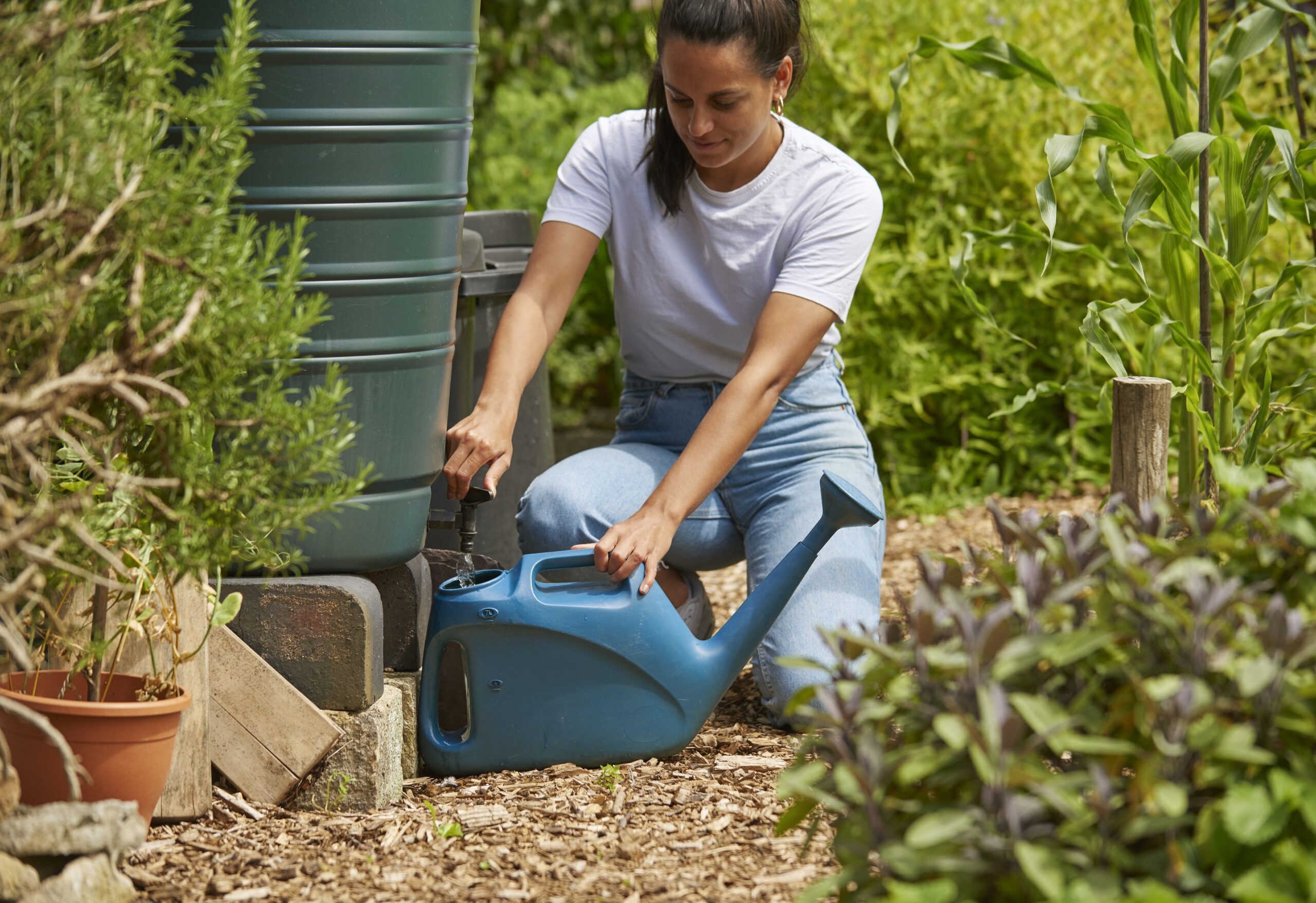
“Small actions such as tending to gardens with a watering can, watering less regularly, catching cold water to use in pans and kettles whilst you wait for hot water to run in your house, taking shorter showers and leaving your lawn to go brown will all help.”