


















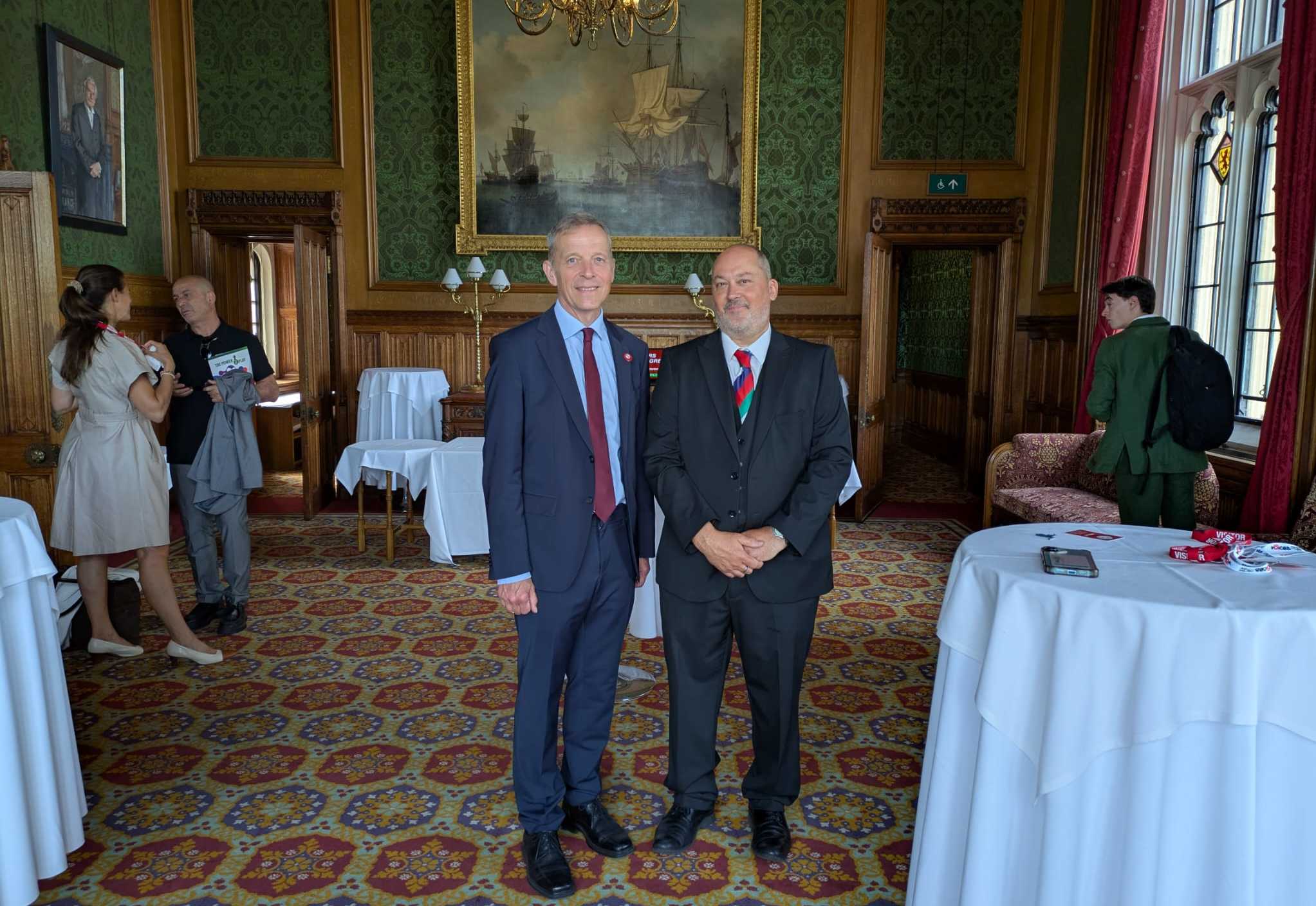
The father of a teenage son who was murdered in Reading has welcomed government plans to ban social media for children.
Stuart Stephens has been campaigning for online safety for children since his son Olly was killed in January 2021.
Olly was stabbed to death aged 13 at Bugs Bottom by two teenage boys, after being lured to the park by a teen girl.
Court hearings established that Olly was killed due to a dispute on social media.
Mr Stephens, along with other parents who have lost their children, has organised through the Bereaved Families for Online Safety campaign to lobby the government to protect children online.
The Labour government recently announced sweeping regulations to ban social media for children under 16.
Welcoming the announcement, Mr Stephens said: “It came as a big surprise.
“We wanted phones outside of schools, an eight-hour break, the government has gone one step further: an all-out ban, which I absolutely did not expect. I’d hoped to gain some ground.
“Social media is not fit for children — it’s toxic for them — and I’ve been pushing that point from day one. It was highly unexpected; I was in the House of Lords discussing it.
“We told the social media companies ‘sort your act out’ — they’ve had 10 years. They are procrastinating. It’s profit over care.”
Mr Stephens praised Prime Minister Sir Kier Starmer for listening to bereaved parents.
Mr Stephens said: “There has been positive action from government — our group has met with multiple Home Secretaries, and he is the first Prime Minister to speak with us. Look at the result. We’re aware he’s not perfect, and there is work to be done, but when this is brought into law in spring next year, it’s sorted.
“We’re hoping this legislation has a positive effect. It’ll take effect in spring next year — which is the perfect timing for schools.
“Everyone I’ve spoken to is positive. We are aware there needs to be more work around it, and we’re happy to do that.
“The companies have had 10 years to prepare. They’ve ignored us. The legislation needs to be fit for purpose. VPNs are being looked into. Social media has become so toxic there should be an age limit. Kids aged 11, 12, 13 will find it difficult, but parents will have the support of government and teachers as well.
“There’s a bit of a grey area as bans at school are enforced by school staff.
Children don’t need phones in schools. There are some which give pupils phone pouches, so they can still keep them but have no access to them during school.
“Schools that have taken them away have seen outstanding results — hassles and problems have gone down.
“However, where bans haven’t been enforced, there have been cases where children can access harmful material, which can include pornography and glorification of violence.
Mr Stephens said: Younger children are talking about things far beyond their age. They’re developing in a toxic environment.
“Children have been coerced into taking their own lives — that makes me very angry. Those harms should never be there. It’s the responsibility of big tech companies. This needs to be as robust as possible. We’ve asked to look into Ofcom, including action on advertising.
“It’s about children’s welfare. It’s not about a ban for everyone — it’s for children susceptible to harmful ideas. This is a line in the sand, a first step. The job’s not done.
“Everyone I’ve spoken to supports this. The harms haven’t stopped. A group of 18 parents — things could have changed, but they didn’t. I’m not closed off to arguments against it, but not having a ban is more harmful.”
The regulations are set to come into effect next year, following a public consultation into child safety online.
Mr Stephens said: The consultation opened the government’s eyes to what parents want; nine out of 10 parents support a social media ban.”
He was adamant that social media companies take responsibility for restricting harmful content.
Mr Stephens said: “It’s about culpability, capacity, and safety in design. The companies are driven by profit and advertising. Somebody else is getting rich while children are harmed — that’s the reality. Things need to change.”