
















PRIME Minister Keir Starmer announced this week that a full ban on social media would come into effect for those aged under 16 in the UK.
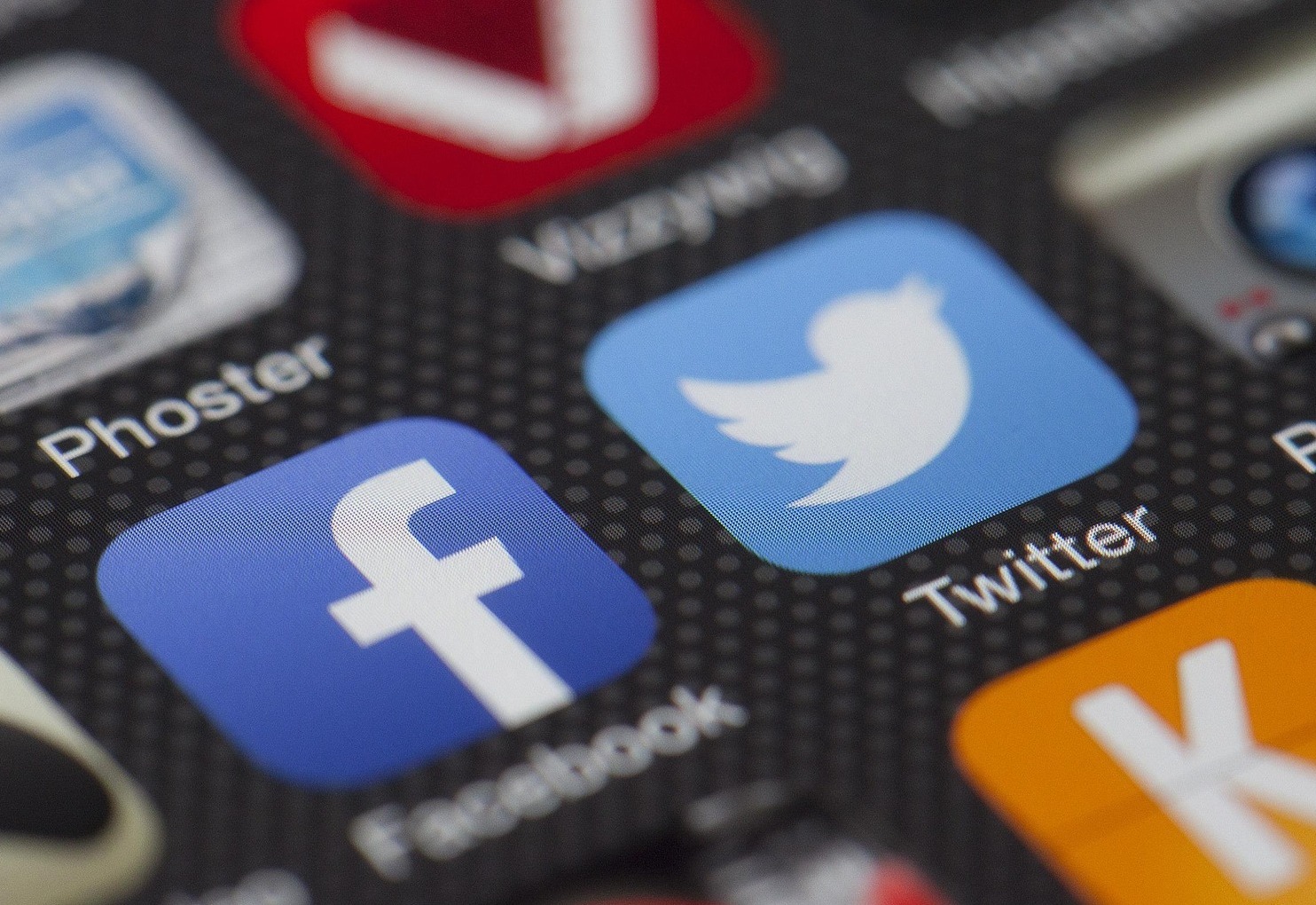
It would see social media platforms such as Facebook, X/Twitter, Snapchat, and TikTok unavailable for use by young people.
While the government is yet to explain how exactly the ban will work, it has committed to further details next month, and has set out plans that would see the issue brought to Parliament before Christmas.
This would bring any measures outlined into effect in Spring 2027.
Ministers say that an Australian model is being considered, which would see blanket blocks on services including Facebook, X, Instagram, Snapchat, and TikTok–as well as sites like YouTube, and streaming services such as Twitch.
As well as this, Starmer laid out plans for ‘restrictions on functionality’ for those aged 16 and 17, which could include overnight curfews for social media use, and ways ok breaking cycles of “infinite scrolling.”
He has explained that messaging services such as Whatsapp and Signal will not be included, but that some gaming services would be considered.
While the government has said that those with accounts older than 16 years, those with credit cards linked, or otherwise age-verified accounts will likely not require any further identity checks, it hasn’t explained how such checks would work.
Following age-check implementations on adult sites earlier this year, many services enlisted third-party companies to carry out age verification on their behalf.
This includes submitting facial recognition, or submitting copies of ID documents, such as a passport–a move which drew heavy criticism for its high potential for identity theft, privacy violations, and a comparably low effectiveness in this instance.
However the government has said that Ofcom will set out a number of different options in the coming months for how to effectively implement age checks.
A ‘Line in the Sand’
Following the announcement, Prime Minister Starmer said: “Parents want to keep their kids safe and happy, but the online world has made that harder than ever.
“I’ve heard first hand from families crying out for change and we will do right by them–that’s why we’re going further than any country in the world by banning social media for under-16s and putting wider protections in place to give kids their childhood back.
“This is a line in the sand–tech giants had their chance and failed, but we’re stepping in to protect children, back parents and set a new normal for future generations.”
Technology Secretary Liz Kendall said that the move would “take away power from tech giants and [put] it back in parents’ hands.”
Matt Rodda, Labour MP for Reading Central, said: “I am delighted that the Prime Minister announced a ban on social media use for young people under 16.
“This will make an enormous difference to families in Reading and across the country.”
The Effect of Social Media
Reading teen Olly Stephens is among the cases that have been widely cited in the lead-up to the proposals, following his death in 2021 at the age of just 13.
In the weeks before his killing, Olly had seen a video posted to Snapchat which showed an incident of two older boys harassing and humiliating a younger boy.
Snapchat, which allows users to send disappearing or self-deleting videos and images and chat messages, as well as share their physical location with one another–is among the services that have been named as subject to the ban.
He forwarded the video to the victim’s brother in an effort to alert him to the incident, which the older boys in the video objected to, accusing him of being a “snitch.”
The two boys then recruited a girl, 14, who was known to Olly, to lure him to a field close to his home.
She did so, and the two boys attacked Olly, eventually fatally stabbing him.
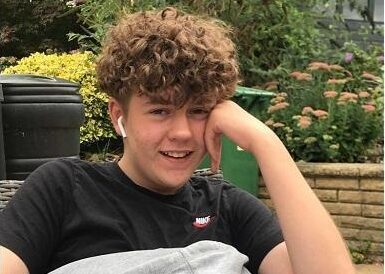
Stuart Stephens, Olly’s father, is among those who have welcomed the announcement, which he said was “a long time coming.”
He described social media as “addictive,” “corruptive,” and “predatory”– and without it, he argues, he would still have his son.
Mr Stephens was among a number of bereaved parents who met with the Prime Minister late last month following the conclusion of a major consultation into children’s online safety, including the mother of Brianna Ghey, Esther Ghey; and Liam Walsh, father to Isaac Kenaven.
Shifting Blame Away from Tech Companies
Dr Naomi Lott, Law and Children’s Rights lecturer at the University of Reading, has said that while the move was a step towards better safety for children in the UK, it could create a “loophole” that would relieve social media companies from having to take action to improve their platforms.
“We know very little about the impact of a ‘social media ban’ on young people, but… we know that young people bond better, are happier, and learn better social skills if they spend time with peers in person, and we know that play and sleep are critical for children’s physical and mental health.
“At the same time, we know that excessive screen use has negative impacts on physical and mental health, social media exposes people to harmful content… [it’s] deliberately designed to promote its use and limit the autonomy of the user.
“This is not about a moral panic, this is about knowing what is good for us and our children, and what is harmful, and taking steps to promote our wellbeing and health.”
She explains that data from other examples of similar bans, such as that in Australia, was “mixed and slow.
“What we have seen are reports that children are either able to circumvent restrictions or have not lost the access they originally had.
“Due to the lack of data we have, it is too early to say how effective this policy has been.”
She raised concerns that a social media ban will create a “loophole for tech companies.
“Whilst children are on these spaces, we can call on tech companies to better regulate social media content.
“Following a ban, if a child circumvents restrictions and then is exposed to harmful content, tech companies may be able to hide behind the fact that these are 16+ spaces – this will place the fault at the child or their parents for accessing such content, instead of the tech companies for not governing these spaces. ”
She argues that as well as reducing trust between parents and children, it removes the responsibility from platforms which are developed to gather data and drive up engagement–time spent using the platforms–often to the detriment of users.
“But it is not the children at fault, it is the tech companies–we should instead be talking about banning tech companies from gathering and using children’s data whilst promoting harmful content and habits.”
She cited proposals in Canada’s proposal, which would temporarily stop social media companies from hosting children’s accounts if they do not have safety measures in place. This, she explains, “incentivised the design and implementation of safety measures.”
Keeping Children Safe
The NSPCC’s CEO, Chris Sherwood, has welcomed the move, describing it as a “win” for children and parents: “and all of us who have campaigned for better child protection online. Big Tech must not have access to our children where their dangerous platforms are causing appalling harm to young people.
“This is a watershed moment for child protection.”
He has also cited Australia’s model in explaining his concerns over the effectiveness of the ban itself: “Australia has shown that bans alone don’t keep all children safe, some young people will always slip through the net.
“To deliver on their ambition, the government must ensure that there are robust age checks on platforms, an effective enforcement regime and they must tackle addictive features across all services that leave young people scrolling for hours on end.
“Without this, they will open up a huge protection gap for children in the UK–the government must continue to put pressure on Big Tech and not let them off the hook.”
Kerry Moscogiuri, Chief Executive of Amnesty International UK, said: “This is a case of the right diagnosis but the wrong prescription.
“The UK government is right to recognize that many children face serious harms online–too many social media companies have built products and business models that prioritize keeping children engaged for longer, often at the expense of their wellbeing, privacy and rights.
“But the problem is not that children exist on social media; it’s that social media companies have built platforms that are unsafe by design–banning under-16s risks treating children as the problem rather than addressing the companies and systems that create the risks in the first place.”
“Young people deserve to be safe online, but they also have rights–social media can expose children to harm, but it is also where many young people learn, connect with friends, find support, organize around issues they care about and make their voices heard.”
Harms to Privacy
Molly Buckley, a legislative analyst with digital rights group the Electronic Frontier Foundation (EFF), said that the move “weaponize[s] parents’ concerns” about children’s safety to justify “unprecedented” levels of surveillance and censorship.
“In the process, these laws deny young people their rights, threaten our online anonymity, expose our sensitive personal data to breach and abuse, and replace parental decision-making with state authority.”
Similar measures placed on the online social network Discord came under heavy criticism after the firm suffered a data breach, causing tens of thousands of users’ government ID to become exposed.
Ars Technica reported that hackers stole data from more than 70,000 users in the UK and Australia through the third-party service that was handling age verification.
This leaves them open to identity theft, fraud, or even financial extortion.
Many warn that a ban on a national scale could lead to data submitted by millions of people in the UK being stored insecurely–even where security measures are in place–and subject to theft through hacking or mishandling.
Ms Buckley explains: “If we don’t trust tech companies with our private information now, we shouldn’t pass laws that force us to give them even more of it.”
Ministers are set to lay out further details for the bans next month, and have set a provisional timeframe which would see measures brought to Parliament before the end of this year.
If those proposals go ahead, ministers expect the ban to come into effect in Spring 2027.