




















I know global shocks, and the effects they have on energy bills and living costs, will be increasing anxiety for many households in our town. That is why I welcome the Government’s action to remove an average of £150 from household energy bills.
Thanks to measures taken by the Government, the energy regulator Ofgem has confirmed the energy price cap for April – which limits the amount customers on standard variable tariffs pay for each unit of gas and electricity – will fall by 7%. This means millions of households will benefit from lower energy bills.
You do not need to do anything to claim the savings, as these will have been automatically applied to your bill from 1 April onwards. The exact amount each household saves will depend on how much energy is used and the type of tariff.
Vulnerable people are most exposed to the impact of energy crises. That is why we have worked with vulnerable families and expanded bills support to thousands of businesses. Last winter around 6 million households will have received the £150 Warm Home Discount, following its expansion last year to all eligible households on means-tested benefits.
But the Government is determined not to leave working people exposed to the whims of international fossil fuel markets but instead taking the long-term action needed to bring bills down for good. We have experienced the second fossil fuel shock of this decade. Indeed, half of the UK’s recessions since 1970 have been caused by fossil fuel shocks.
The structure of our energy system means that when volatile gas prices spike, this usually sets the wholesale price of electricity. Previous politicians have let consumers foot the bill. The Government is determined to change this. Last month, the Government announced plans to tax the excess profits of electricity generators to break the link between gas and electricity prices.
If, or more likely, when, gas prices spike again, excess profits will be taxed and used to support businesses and households with the impacts of price rises. We are providing low carbon energy generators the economic incentive to move on to fixed price contracts. These fixed price contracts are not linked to volatile gas prices and will deliver value for money for consumers. This action shields families and businesses from future international energy crises and volatile gas prices.
I welcome the Government’s continuing commitment to delivering energy and economic security that can withstand this new age of geopolitical instability. The Government’s mission to make Britain a clean energy superpower is the only way to bring down bills for good.
These measures are not the only ways the Government is supporting households with essential costs, which includes increasing the National Living Wage, freezing prescription charges, removing the two-child limit, and a £300 Winter Fuel Payment for over nine million pensioners.
To help with transport costs the Government froze rail fares for the first time in 30 years and extended the 5p cut for fuel duty for two years in a row. This has saved the average motorist £90 a year compared to the plans inherited from the previous Government.
Every choice the Government makes is about keeping costs down for families and businesses. Cutting the cost of living is this Government’s number one priority.
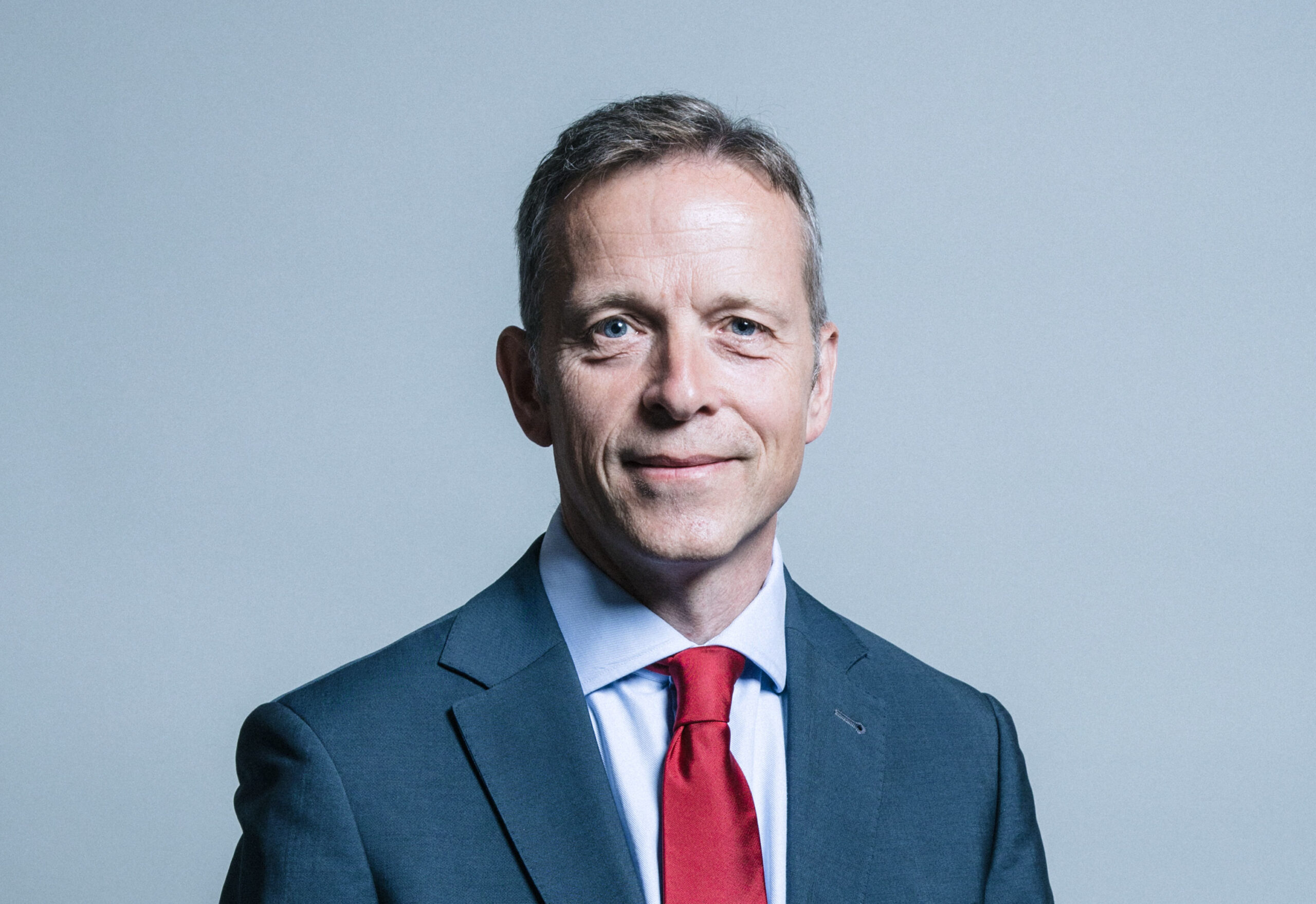
By MP Matt Rodda