




















A bid to create a ‘Greater Reading’ by expanding the town westwards has failed as the government has made a decision on local reorganisation plans.
Labour-run Reading Borough Council was hoping to expand by incorporating Tilehurst Parish and Calcot into an expanded council.
This attempt was made as a proposed amendment to the reorganisation of local government in Oxfordshire, as its county council, city council and five districts will be abolished in 2028.
At that time, the county will be split into a Greater Oxford Council, Northern Oxfordshire Council, and a ‘Ridgeway Council’ to the south.
‘Ridgeway’ has been controversial since it was announced, as West Berkshire Council will be joining up with South Oxfordshire and the Vale of White Horse, which are all controlled by the Liberal Democrats.
That is despite West Berkshire Council not being required to enter into the reorganisation process as it already possesses all of the powers of a unitary authority.
Reading Borough Council therefore requested that the West Berkshire wards of Tilehurst Birch Copse, Tilehurst & Purley, and Tilehurst South & Holybrook be incorporated into a Greater Reading.
An independent survey Reading council commissioned found that 34-37 per cent of these western residents used Reading’s leisure centres, with these residents also visiting Tilehurst Library, roads and parks in Reading Borough.
However, Steve Reed, the Labour Secretary of State for local government, has denied the amendment request.
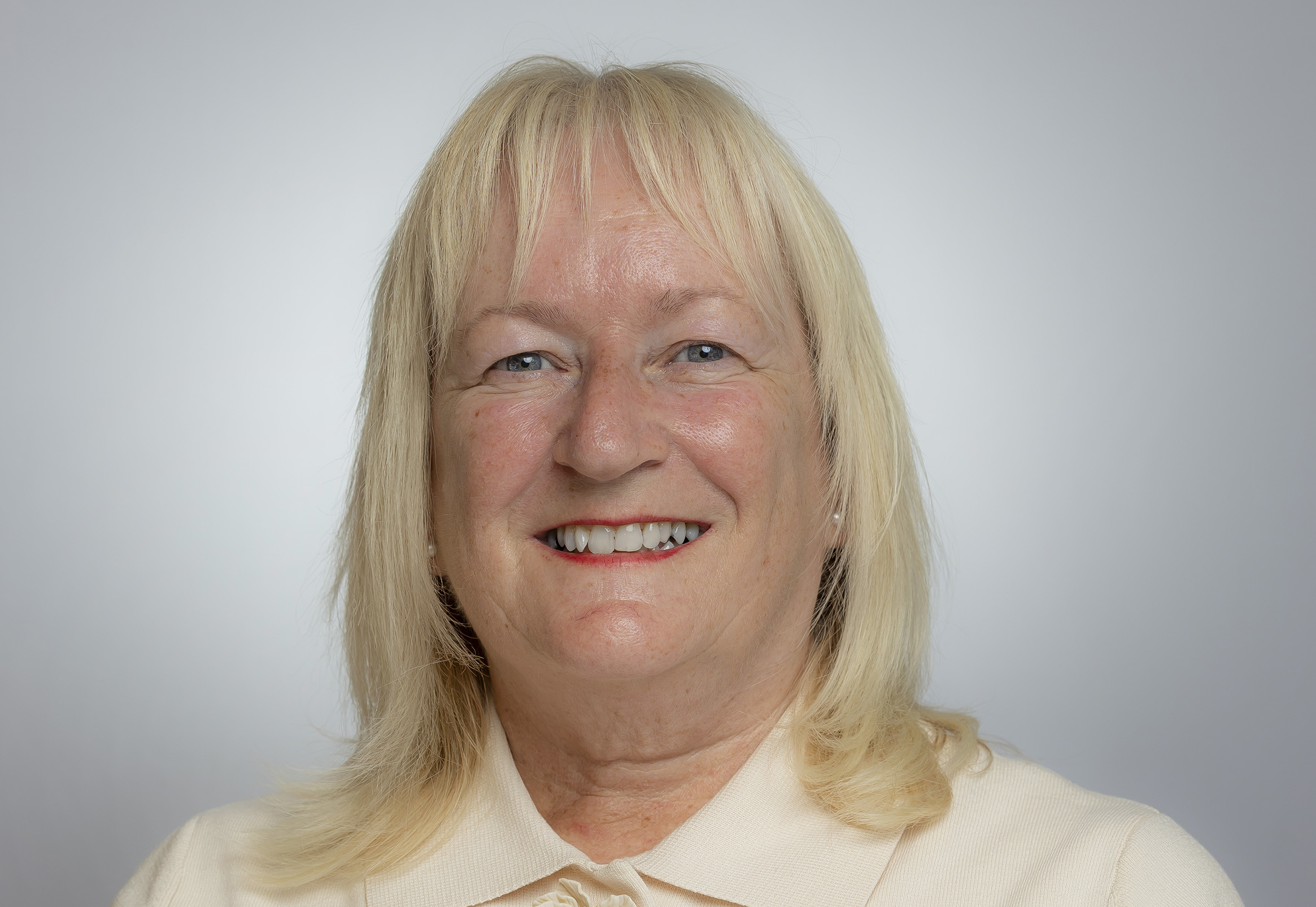
Reacting to the news, Liz Terry (Labour, Coley). the leader of Reading Borough Council, said: “This is obviously a disappointing decision from Reading’s perspective. Our western boundary line was created well over a century ago and for many years now it has failed to reflect the reality of patterns of daily living.
“We know that Tilehurst residents living in West Berkshire rely heavily on Reading’s services. The reorganisation process was an opportunity to put that right by fundamentally strengthening local democracy and aligning where people pay their council tax and where decisions are made, with local identity, local services and those patterns of daily living. People who know Reading will understand that these wards are already effectively suburbs of the town and have been for many years.
“The council awaits further information on how this decision was reached and will consider its position and seek opportunities to make its case again.
“Reading has a hugely powerful economy and is an economic driver for the region and economy nationally. We believe our outlook mirrors the government’s own ambitions for economic growth to be driven by our towns and cities and Reading should be at the forefront of any future decisions on reorganisation in Berkshire.”