



















A WILDLIFE park in Berkshire is set to introduce two new exotic residents to visitors after some slow-moving citizens have moved in.
Beale Wildlife Park in Pangbourne has welcomed Brad and Enkai, a pair of Two-toed Sloths, who started calling the park home in November last year, and have finally settled into their new life.
Now that they’ve got the lay of the land (and more importantly, the branches) they’re ready for their close-up, starting this February half term.
They’re joining fellow neighbours, a group of Red-Footed Tortoises and a gang of Brazillian Cavies, with whom they share their new habitat.
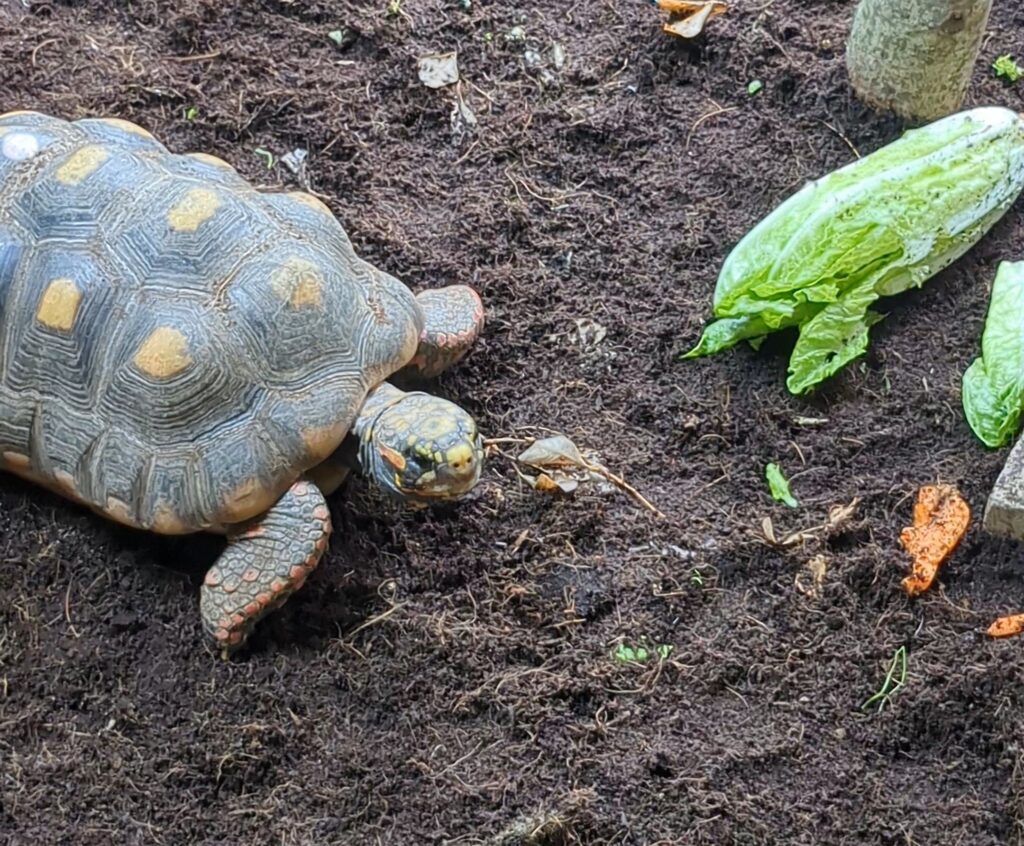
While the Red-Footed Tortoises are also slow-movers, the Brazillian Cavies–a wild form of guinea pig–are considerably more nimble-footed.
Now the sloths complete a trifecta of South American species which inhabit a jungle exhibit which will be open to the public later this week–just in time for half term.
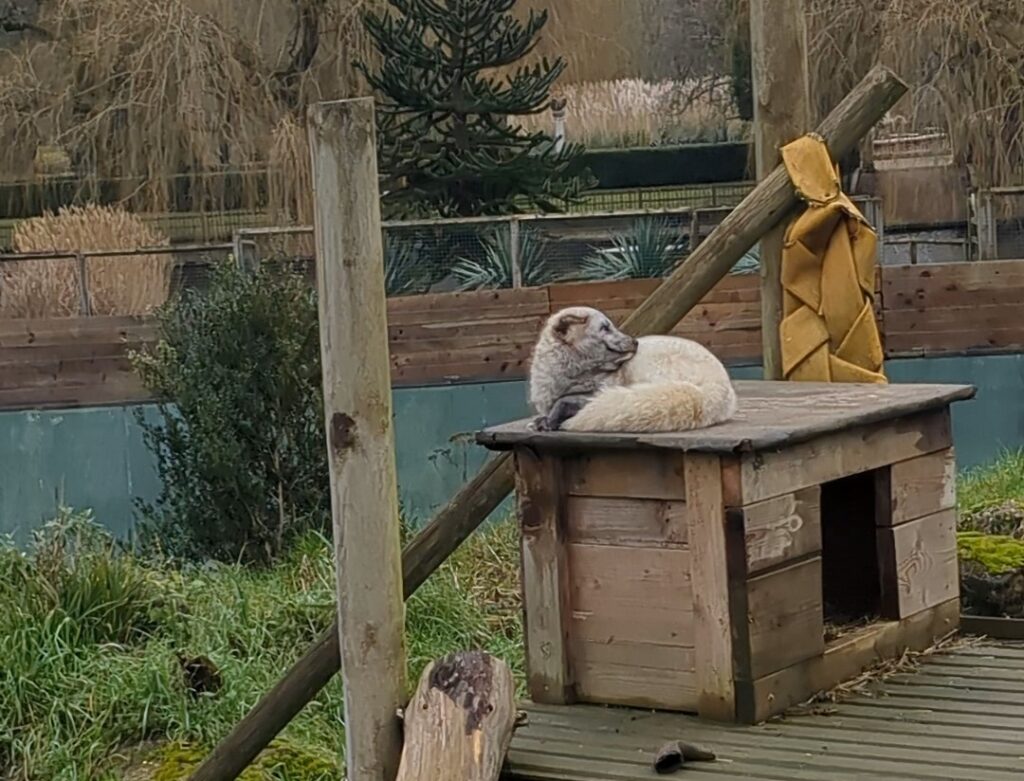
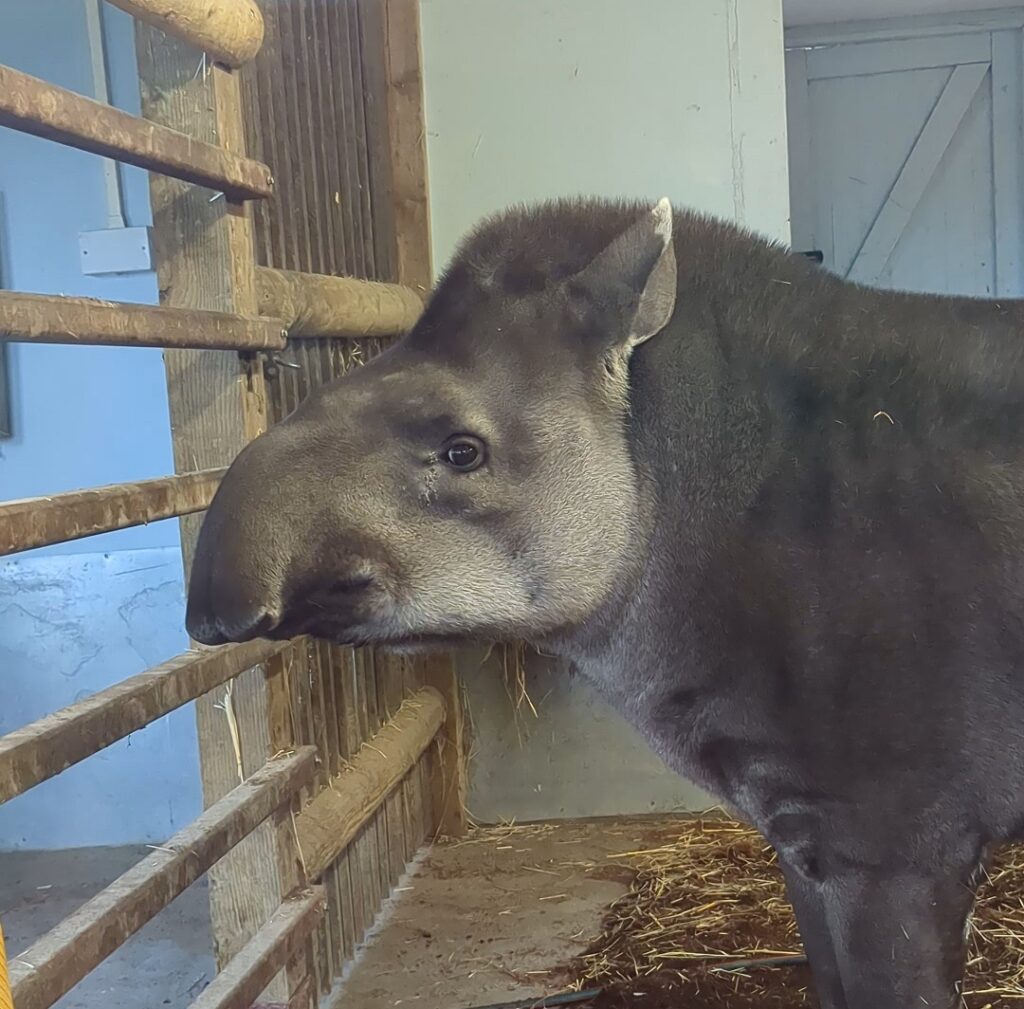
They also join a host of exotic creatures who call the park home, including capybaras, tapirs, arctic foxes, guanacos, binturongs, and squirrel monkeys, as well as some of its more commonly recognisable residents like meerkats, owls, peacocks, vultures, otters, emu, and ponies.
Sloths are among the slowest animals in the world–so much so that some sloths are susceptible to algae, which can grow in their long fur, causing a green tint to them.
They spend most of their time in the treetops, where they also sleep, and are often content to remain still while clinging to branches, making very little noise.
They even mate and give birth while in the tree canopy.
Two-toed sloths enjoy eating leaves, shoots, and fruit, which compromise almost all of their water intake in the wild.
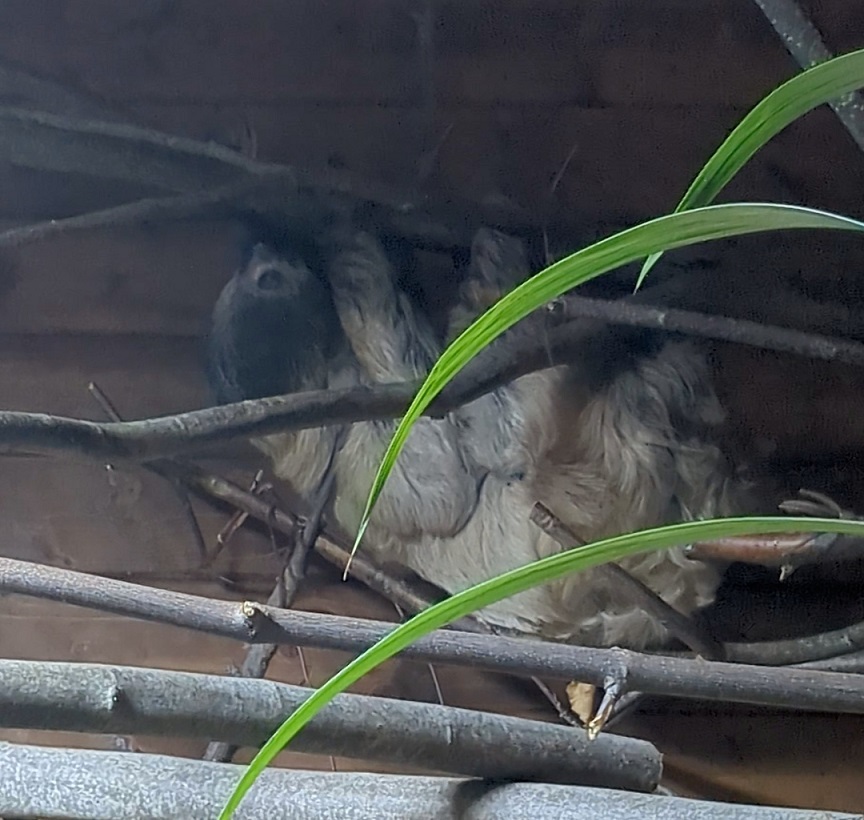
Paul Betchley, Head of Zoological Operations at Beale Park, said: “The two sloths came from another collection over at Hamerton Zoo, who have had some great success in their breeding programme, and we were lucky enough to be chosen.
“They’ve really settled in nicely–their behaviours and personalities are really starting to come out.”
He explained that they had been very affable new residents: “They have a very low-speed demeanour, but still the husbandry and maintenance that goes here remains the same as any other animal.
“Our team feeds them three times a day, maintaining a humid environment, spraying their plants, and checking up on them.
“And the training aspect remains in play: we need to make them feel comfortable enough to come up to us so they can get their check-ups, and the vets need to be trained for them in the case that there’s anything wrong.
“We have introduced more people into their space to see how they interact, and everything has gone swimmingly.
“They tend to keep themselves to themselves: Enkai, our younger female definitely wants to be involved, but only when she wants to be involved.
“Brad is a little bit more aloof, and will keep his distance a little more.”
While Two-toed Sloths are categorised as being of the “least Concern” in their conservation status, they face considerable challenges due to continued deforestation and pollution.
“Sloths are immensely popular online and culturally, but there is a bigger picture to them–they’re very important to the forest ecosystem.”
This genus of sloth is typically found in rainforests in Venezuela, Suriname, Guyana, French Guiana, Colombia, Ecuador, Peru, and northern Brazil.
There, they contribute to the wider ecosystem through the nutrient cycle–providing dense, nutrient-rich dung which is often deposited at the roots of trees–as well as natural seed dispersal.
Their diet means that they are important, natural regulators of vegetation through their consumption of certain plant species.
As such, they play an important role in maintaining the resilience of natural forest biomes, and are also something of a ‘indicator species’, meaning that dwindling numbers would be a warning sign of severe environmental degradation.
“Looking after them really taps into your patience–they’re very different to the likes of meerkats or lemurs, who can be very busy.
“If a sloth doesn’t want to do something, you really can’t force it–and if it does want to do it, it will take a long time.”
For Beale Park, sloths have been in the pipeline for a while, before the opportunity for Brad and Enkai to make it their new home cropped up.
“Depending on the species, we have a collection plan every year which looks at those we want to bring in.
“Sloths have been on the list for six years. Sometimes it’s a bit of a process and it has to be worked out.
“It comes down to whether it’s ethical first, and whether its financially viable.”
Mr Betchley has been at Beale park for over 7 years, and has worked in zoos for more than 25 years.
Of his time there, he said: “The feel of Beale Park is what I fell in love with– conservation underlines everything we do.
“Every day is different, and you are often reminded how lucky you are to be able to look out of the office window and see a couple of sloths.
Visitors will be able to get a chance to see Brad and Enkai the sloths, as well as a whole host of other animals exhibited at Beale Park from Saturday, February 14–just in time for the February half term.
Two timed sessions a day will be available to visit the walk-through exhibit.
Full details, including booking tickets and information about how you can support Beale Wildlife Park, are available via: bealepark.org.uk