



















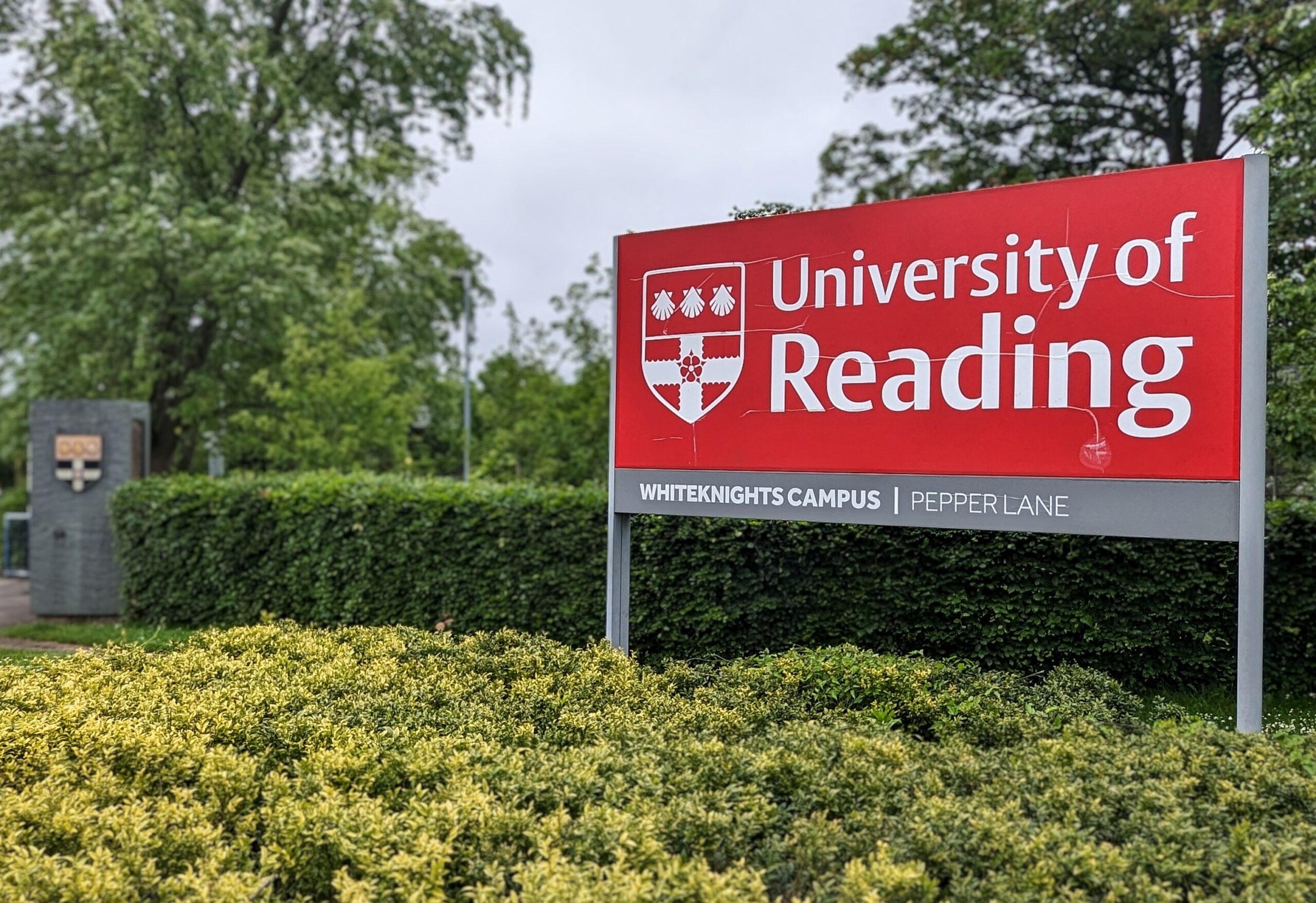
DATA from the University of Reading shows that the town is continuing to see almost unprecedented levels of rainfall this year.
Data up to Tuesday, 10 February, from the university’s Atmospheric Observatory shows rain 0.1 mm or more of rainfall has been recorded for 31 days straight.
This has only happened once since daily rainfall records began at the university in 1908– but that incident saw many smaller falls than this year.
Dr Stephen Burt, Department of Meteorology at the University of Reading, said: “Up to Tuesday evening, we have had 31 consecutive days with 0.1 mm or more of rainfall, while rain has fallen on every day bar one in the 35 days since and including 6 January.
“Only once before has a longer spell with 0.1 mm or more every day been recorded, of 40 days from mid-December to mid-January 2016, but many of the days in that spell saw much lighter falls, and the total rainfall for that period was somewhat less than this year.
“A whole month with rain falling every day – that is almost unprecedented on our records. In those 31 days, we have seen 141 mm of rain, compared to the 30 year average over that period of just 58 mm, well over twice normal.
“According to forecasts, Wednesday, Thursday and Friday look likely to receive at least 0.1 mm of rain in Reading. If so, this would extend the period from 31 to 34 days.”
Dr Jess Neumann, Associate Professor of Hydrology at the University of Reading, said: “Communities across the UK are braced for more flooding as the relentless rain of the past month has left soils saturated, rivers fit to burst and groundwater rising under our very feet.
“For many, the floods may come from multiple sources at the same time – from swollen rivers, streams and brooks, but also from groundwater as the water table is pushed up through cracks to the surface and into people’s homes and businesses.
“The risk continues to grow even after the rains stop as water continues to make its way into rivers and the ground over the coming days.”
She explained that flood waters can be deep, fast-flowing, and contain debris as well as mud, silt, sewage, and other contaminants.
Floods may also strike during the hours of darkness and and Dr Naumann emphasises that: “being prepared is paramount for protecting property and staying safe.
“Everyone in England should check their flood risk online and sign up to free alerts and warnings if they are at risk.
Currently, millions of eligible people are not signed up – many may not even know that they are at risk of potentially destructive or catastrophic flooding–if you do one thing, check your risk.
“If you are at risk of flooding there are three simple steps you can take in advance to help stay safe: first, plan a suitable evacuation route to safe ground; second, know how to turn the gas and electricity off in your property.
“Third, consider a safe location to move your valuables to, especially those on the ground floor or basements.”
She explained: “Additional preparedness actions include packing a flood kit or “grab bag” containing blankets, torch, batteries, phone charger, medications, first aid, bottled water and insurance details.
“If you have them, make sure flood barriers, pumps and air-brick covers are accessible, in good working order and be prepared to use them as soon as a flood warning is given.
“A flood warning aims to give around 2 hours notice of expected flooding – but it can be less.”