



















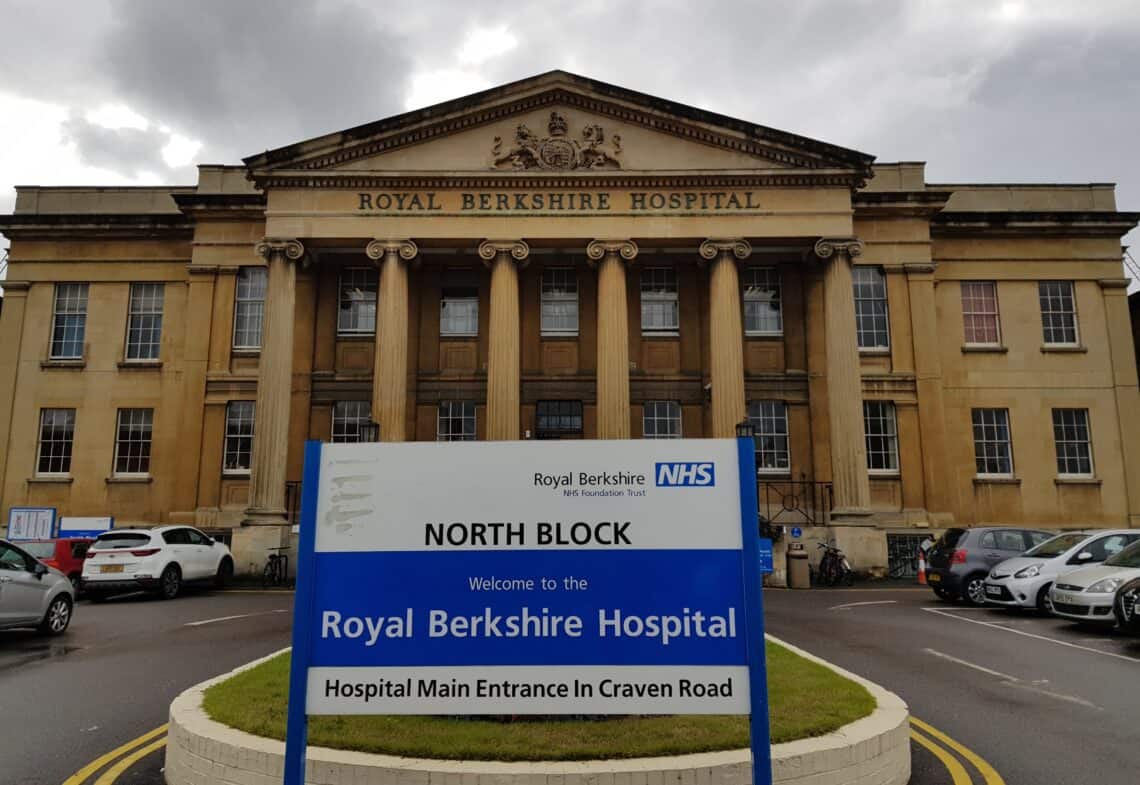
Thousands of patients across the South East are putting extra strain on busy emergency departments (ED) by attending with minor illnesses that could be treated more quickly elsewhere, according to new NHS data.
The NHS has also released a short film titled “24 Hours Not In A&E” as part of a campaign to help people navigate their health concerns and avoid unnecessary visits to emergency departments and GPs.
More than a third (35%) of people in the region admitted going to ED for a non‑emergency issue because they thought it would be quicker to get medical support. Over one in ten have visited ED for a sore throat (7%), a common cold (6%) or a urinary tract infection (10%) – all of which can be treated by a community pharmacist.
Nearly one in five (18%) said they had previously been to ED for an issue that, in hindsight, could have been managed by another NHS service such as NHS 111, a GP, pharmacy or the NHS App.
Meanwhile, almost half (39%) of the public have had a winter bug this autumn/winter, with most (64%) managing it at home, nearly a quarter (23%) visiting a local pharmacy, and others seeking advice online (19%) or from family and friends (16%).
Natalie Randall, an NHS 111 Clinical Advisor working for South East Coast Ambulance Service in Kent, said: “Christmas is such a busy time, and the last thing anyone wants is to second-guess where to go for support if they feel unwell or have an urgent health issue over this time, especially at a time when their GP surgery may be closed.
“I always remind people that NHS 111 is there 24/7, even on Christmas Day. You can call or go online, and they’ll guide you to the right care, whether that’s self-care at home, a pharmacy, or seeing a GP.
“It’s reassuring to know you don’t have to guess or rush straight to ED – you can get expert advice quickly and enjoy the holidays with peace of mind.”
Dr Christopher Tibbs, Medical Director for NHS South East, said: “Whether it’s a high temperature, a sporting injury, a minor burn or a fall, the NHS has a range of alternative services available for urgent, but non-life-threatening care. Teams across the region are showing innovation and creativity to not only ensure people are seen as quickly as possible when they do need care, but also that vulnerable people who don’t need to be in ED or on a hospital ward can be cared for from home.
“We know this winter is already shaping up to be incredibly challenging for the health service, with rising flu cases and now with the latest round of industrial action by resident doctors on the horizon.
“Our wonderful health service staff are doing all they can to prepare for and ride this wave, but we need everyone to think carefully about what service they are using, ED isn’t always the best place or the first point of call – people can often get help quicker and more easily from other services.”
The NHS in the South East is expanding services to make care simpler and quicker to access this winter, including:
- Pharmacy First – giving patients fast access to expert advice and prescription medicines for common conditions.
- Online consultations – now available at every GP practice during working hours, helping patients request appointments, manage prescriptions and get advice without needing to call.
- Urgent Treatment Centres (UTCs) – open at least 12 hours a day for urgent but non‑life‑threatening conditions.
- Virtual wards and Urgent Community Response (UCR) teams – providing hospital‑level care at home and rapid crisis support to keep vulnerable patients safe without needing admission.
- NHS App – an easy way to order repeat prescriptions and check the status of a prescription
Teams like the Urgent Community Response Service in East Sussex, are transforming how patients receive urgent care outside of hospital settings. Operating seven days a week, Urgent Community Response teams deliver a two-hour crisis response to individuals whose health or mobility is deteriorating, helping prevent unnecessary hospital admissions.
The service consistently responds to over 80% of referrals within 2-hours and is significantly improving hospital flow with HomeFirst, reducing the number of medically ready patients remaining in hospital for care support.
In East Sussex the Urgent Community Response is combined with Virtual Care services, providing hospital-level care at home with a blend of in-person and remote care.
Since launching in December 2022, the service has supported over 5,900 admissions, equating to over 43,700 occupied acute bed days saved. Capacity has increased from 56 ‘beds’ to 96 ‘beds’ by the end of 2025, with consistent occupancy over 80% target.
In November, over 7,000 patients were cared for on a virtual ward in the South East and in Medway, the first 24-hour Virtual Ward in the South East has just ‘opened’ to patients.
It is designed to support patients overnight with continuous monitoring ensuring the highest levels of safety and quality care from patients’ own homes.
By expanding the capacity of the virtual ward, the trust is helping to reduce pressure on hospital wards by ensuring patients can recover safely at home when clinically appropriate. With constant monitoring thanks to the latest technology recording vitals such as ECGs, oxygen readings, and blood pressure readings, patients can be discharged quicker or avoid admission altogether – high risk patients who regularly attend ED, or live in care homes can be referred directly to the virtual ward, avoiding a trip to ED and admission onto a ward.
Meanwhile across the region in Buckinghamshire, a frailty same day emergency care service (SDEC) running 7 days a week offers frail and vulnerable patients timely, specialist care outside of A&E.
The team, including doctors, nurses, therapists, pharmacy, and social care colleague, works together to identify patients aged 65+ using the Clinical Frailty Score and ensure they receive the right care in the right setting.
The is helping to reduce unnecessary ED attendances and hospital admissions and helping patients remain independent for longer.
Nearly half of patients streamed into the frailty SDEC from ED were seen within four hours, and many avoided admission to hospital altogether. Patients and families have reported positive experiences, with fewer complaints and greater confidence in the care provided.