




















Homeowners across Berkshire are being urged to take action now to protect their properties from damp, mould and flooding as colder, wetter winter weather sets in.
Property experts warn that a combination of falling temperatures, heavy rainfall and increased time spent indoors can significantly increase the risk of moisture-related problems — particularly in older homes and properties near flood-prone areas such as the River Thames and its tributaries.
According to George Edwards, a property care specialist from Timberwise, a small number of checks carried out before winter fully arrives could save households thousands of pounds in repair costs and help safeguard residents’ health.
“There are plenty of winter home-preparation lists online, but the advice isn’t always helpful,” he said. “A few targeted actions can make a real difference when it comes to protecting homes from some of the most common winter property problems.”
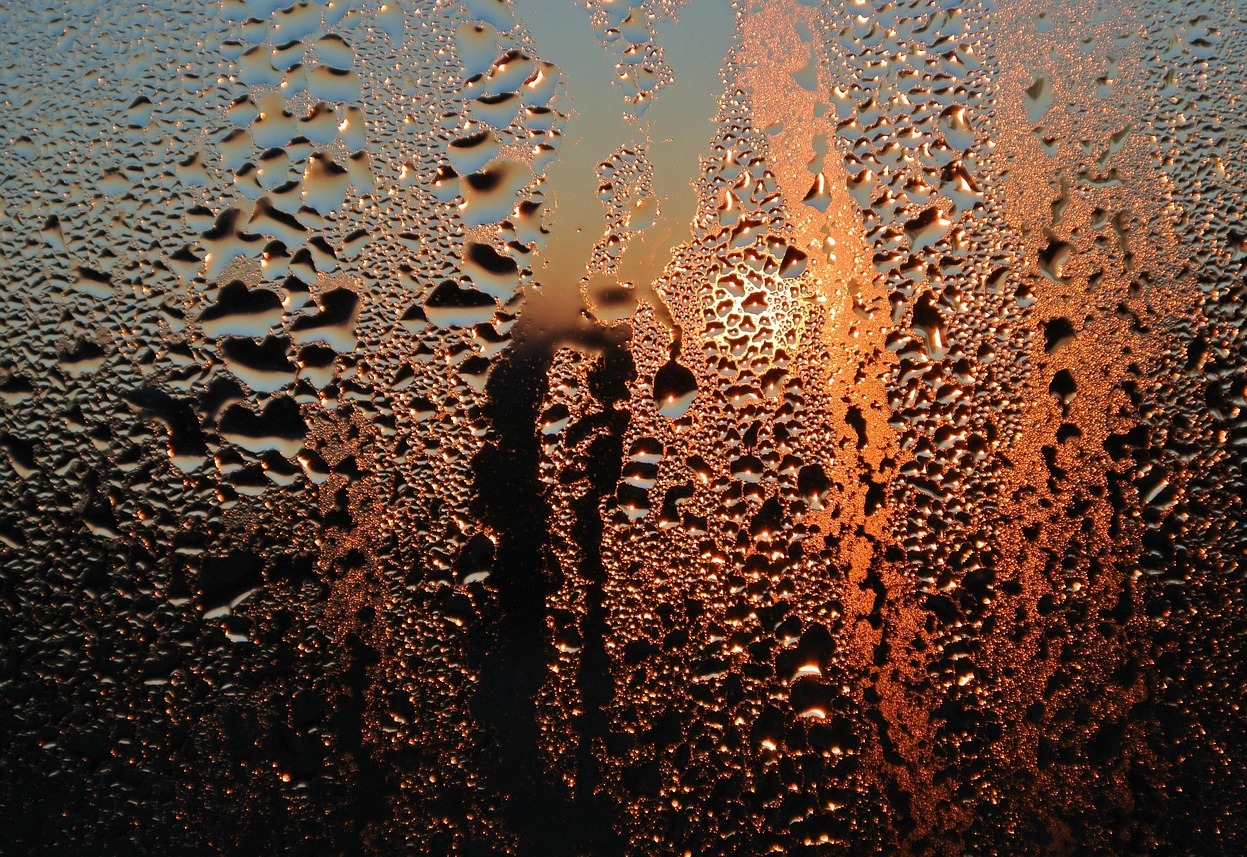
Mr Edwards said damp, condensation and mould often worsen during winter months, especially once heating systems are switched on and rainfall increases — an issue regularly reported by homeowners in Berkshire during prolonged wet spells.
“Damp doesn’t just damage property,” he said. “It can also make homes harder and more expensive to heat by trapping moisture, which reduces energy efficiency.”
Health risks are also a concern. Black mould, which thrives in damp conditions, can cause respiratory problems such as coughing, wheezing and asthma, with children, older people and those with existing conditions most at risk.
Mould spores can also trigger allergic reactions, including skin rashes and irritated eyes, while untreated damp can lead to structural damage and costly repairs at a time when many households are already under financial pressure.
“Every year we see damp problems reappear as rainfall increases,” Mr Edwards said. “That’s why it’s important for homeowners to act before persistent cold and wet weather really takes hold.”
Five checks homeowners are advised to make now:
Check pipes
Leaks or cracks in internal pipes are a common cause of damp, particularly during winter when heating systems are used more frequently. External pipes should also be insulated to reduce the risk of freezing and bursting.
Clear guttering and drains
Blocked gutters prevent rainwater from draining away properly, allowing moisture to seep into brickwork. Clearing leaves and debris can prevent damp problems that mimic rising damp and cause long-term damage.
Improve ventilation
Condensation often builds up in winter when homes are kept sealed. Using extractor fans, briefly opening windows and covering pans while cooking can help reduce excess moisture indoors.
Inspect skirting boards and timber
Persistent damp can lead to dry rot, a fungal decay that weakens timber and can compromise a building’s structure. Early signs of damp should be investigated promptly.
Check basements and cellars
Basements are particularly vulnerable during periods of heavy rain, which Berkshire often experiences in winter. Homeowners are advised to look for signs of moisture, ensure waterproofing systems are working and have sump pumps checked if installed.
“Winter is when homes are tested the most,” Mr Edwards said. “Acting now could stop a minor issue turning into a major and expensive problem.”