















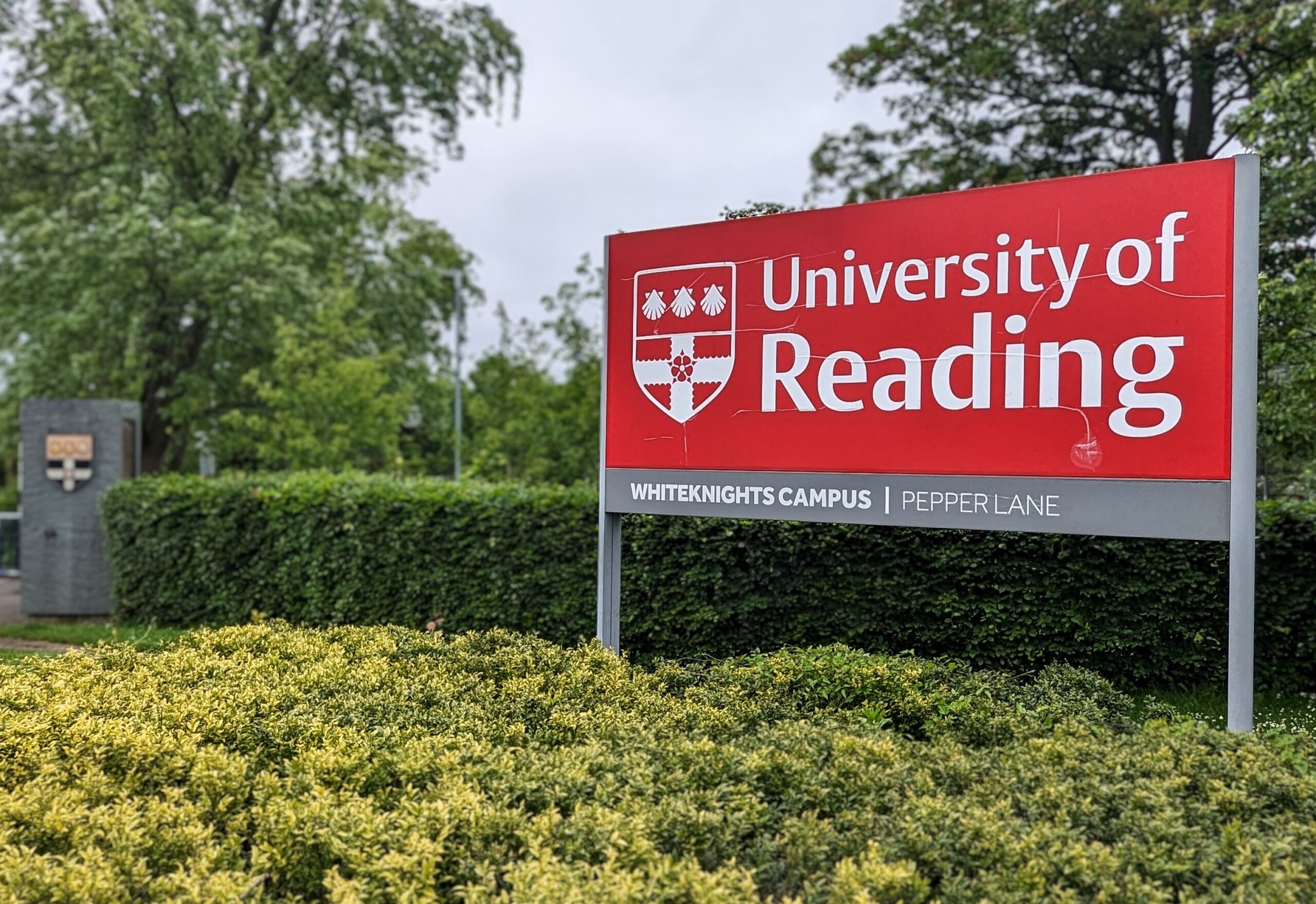
A PROFESSOR from the University of Reading has been awarded a new research grant in support of a project exploring the effect of pollution on the brain.
Dr Mark Dallas, Associate Professor in Neuroscience at the University of Reading, has been awarded the grant by the CO Research Trust.
It will support a PHD project examining the effects of air pollution, such as carbon monoxide, changes inflammation in the brain.
It will use advanced in vitro cellular models to study how environmental toxins trigger inflammatory responses in the brain, with a focus on microglia.
Microglia are the brain’s specific immune cells, which control inflammation and protect the brain more generally.
The study will examine how those cells respond to environmental pollutants and the corresponding effect on their function.
It will also use laboratory-based cell models rather than animal testing, allowing for both more ethical and more target study
It comes in the wake of recent evidence which suggests that immune cells outside of the brain, macrophages, can infiltrate the brain in neurological diseases such as Alzheimer’s disease and may either exacerbate or help compensate for impaired microglial function.
By studying brain resident immune cells and the cells that invade the brain, the project aims to improve understanding of their respective roles in pollution-induced brain inflammation.
Dr Dallas said: “With air pollution becoming an escalating public health challenge, this funding supports our efforts to understand how polluted air affects the brain.
“By studying how the brain’s immune cells respond to pollutants like carbon monoxide, we aim to identify risks to brain health and inform practical strategies to better protect people where air quality is poorest.”
Anju Berardi, the CORT-funded PhD student, said: “My PhD project provides me with an exciting training opportunity to develop advanced cellular models and harness cutting-edge technology to better shape our understanding of brain specific changes following exposure to harmful pollutants.”
Gerarda Kendrick, Grants Lead CORT commented: “By funding this PhD, the CO Research Trust continues its commitment to supporting high-quality research that improves understanding of the health impacts of carbon monoxide exposure and contributes to better public health outcomes.”
The CO Research Trust is a charity which seeks to fight carbon monoxide by funding research on related projects.