


















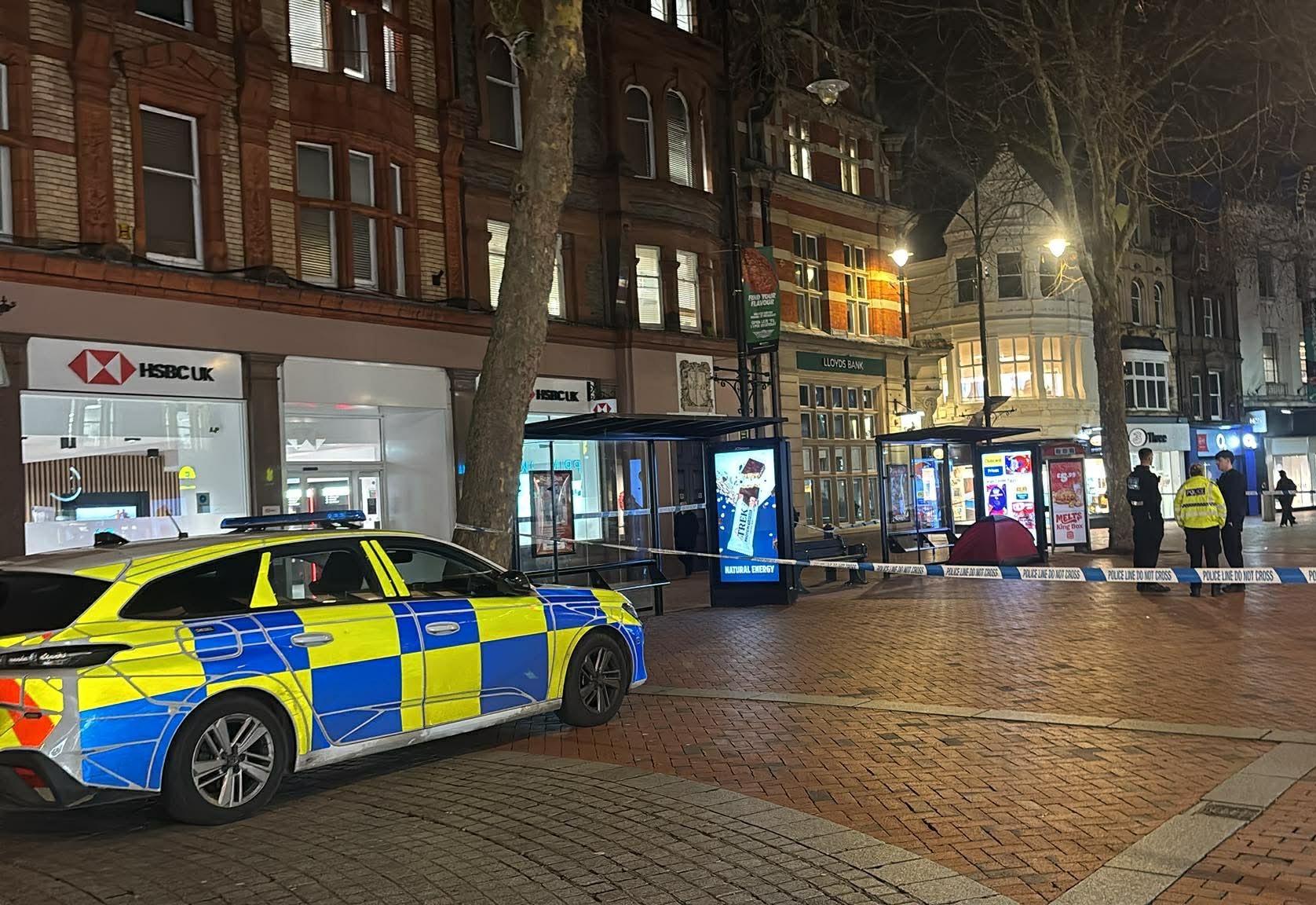
Reading council has been pressed on its efforts to help people who are sleeping rough following the tragic deaths of two homeless people in the town.
Kepha Otundo died aged 47 due to exposure to extreme cold while living in a tent near Reading town centre on January 10.
Genevieve Curwen, who was living in a tent in Broad Street, passed away last week.
The serious issue of rough sleeping has been raised by councillor Raj Singh, the leader of the Conservatives on the council.
He was previously told what work the council does when it activates its Severe Weather Emergency Protocol (SWEP), which does help provide beds when temperatures are forecast to go to 0°C or below for three consecutive nights.
However, people who are sleeping rough do have the right to refuse offers for beds.
This answer was given last December, with cllr Singh (Conservative, Kentwood) raising the issue again at a full council meeting.
He said: “Since that response, our town has witnessed the tragic death of Mr Otundo, who died while rough sleeping near Abattoirs Road during severe winter conditions.
“Residents will rightly question whether repeating that individuals can simply decline support is an adequate position when a life has been lost – particularly when SWEP measures are meant to provide additional protection during extreme weather.
His question was filed prior to the death of Ms Curwen, who was reported dead after a week in hospital on Thursday, February 26.
Cllr Singh asked what is offered to rough sleepers when SWEP is activated, and what can be done to prevent deaths like Mr Otundo.
These questions were answered by Matt Yeo (Labour, Caversham), lead councillor for housing.
He said: “The death of Mr Otundo was a tragic event. On behalf of the council, I extend my condolences to his family, friends, and all who knew him.
“Any death of someone experiencing rough sleeping is one too many, and it must drive learning and improvement across the entire system.
“While every effort is made to bring people indoors during SWEP, adults who are assessed to have capacity retain the right to make their own decisions about accepting accommodation.
“Most people encountered by outreach teams meet the threshold for capacity and therefore cannot be compelled by the council or partner agencies to enter accommodation.
“Decisions to remain outside – though unsafe – must still be respected.”
He added that a senior social worker has been funded to conduct care assessments for rough sleepers, who will work alongside the council’s housing and public realm team.
Cllr Yeo continued: “SWEP has been activated three times this winter, covering 21 nights (as of February 18), supporting 116 individuals with accommodation.
“During the SWEP activation covering the period when Mr Otundo sadly passed away, 51 individuals were offered and accepted emergency accommodation.
Cllr Singh also referred to the council commissioning 270+ beds, questioning whether these had been made available when Mr Otundo died.
But cllr Yeo clarified that the commissioned beds and the SWEP beds are separate provisions.
He said: “The commissioned bed spaces in Reading are primarily longer stay supported accommodation, not emergency or SWEP beds, and therefore are not designed for immediate access. During the cold weather period in which Mr Otundo passed away, where SWEP was active between December 31, 2025 and January 12, SWEP beds were available and being used.”
During this period, 10 people moved into the Council’s commissioned supported accommodation services’ vacancies.
The exchange took place at the full council meeting on Tuesday, February 24.