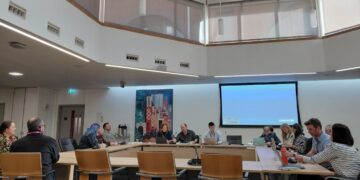













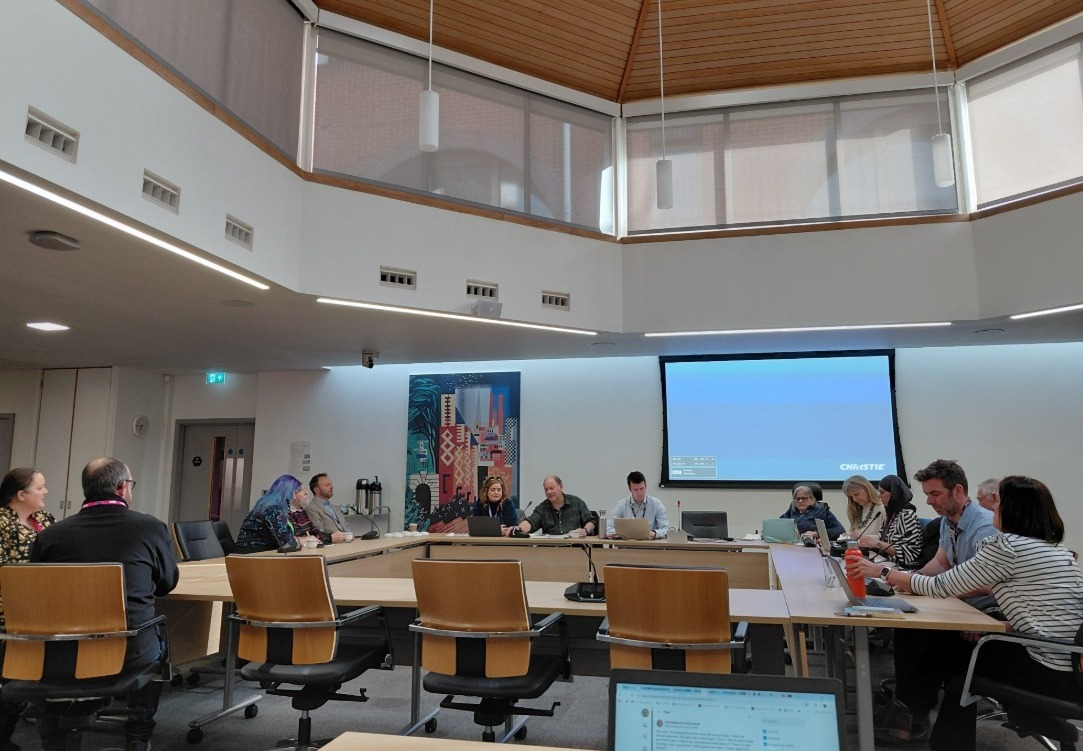
Reading’s disability forum has heard powerful testimony on inclusive music, deaf children’s support and day-to-day accessibility – from bus stops to town centre pavements – at its latest meeting.
At the council’s Access and Disabilities Working Group, Berkshire Music Trust director Jamie Read outlined how his team is opening up music-making to residents of all ages and abilities.
He said the trust now has around 9,500 orchestral instruments available, “every Western instrument you can think of” – and runs monthly music groups for people with special educational needs and disabilities (SEND) alongside extensive schools work and adult sessions.
He highlighted a new inclusive instrument library, which is the second of its kind in the country, as well as sensory music pads, a sensor beam that can play a full musical scale, lighter plastic instruments and iPad-based Clarion software tailored to individual needs.
The trust also works with refugees, pupils in alternative education and has placed music projects into libraries to “explore the joy of music-making” and combat social isolation, but is now primarily seeking volunteers rather than donations.
People present then heard from Rania Sammour, the National Deaf Children’s Society (NDCS) community connector for Berkshire, who came into the role in her own experience as the mother of a deaf child.
Drawing on figures from national research, she said there are 872 permanently deaf children in Berkshire and estimated around 120 deaf children aged 0–18 in Reading, with up to 8 in 10 children experiencing temporary hearing loss through glue ear.
She warned that some deaf children are not identified until later, that delays in Education, Health and Care Plan assessments can slow access to specialist support, and that access to British Sign Language (BSL) courses remains “a mess.”
Mrs Sammour said NDCS offers a helpline, community grants, specialist education and audiology advice and free information, and wants “a world where anything is possible for deaf children”, calling for better deaf awareness, clear support pathways, more BSL options and stronger deaf role models.
Councillors also received an update on the rollout of new audio information buttons at bus stops, funded through Reading’s £16 million Bus Service Improvement Plan.
Installed on shelters and flag poles, the yellow buttons provide a spoken readout of the next three departures when pressed, with volume and speed adjustable.
While they were welcomed as a boost for blind and visually impaired passengers, Phib, a wheelchair user, reported that volume levels for users at Cemetery Junction were too low during the day, prompting council officers to pledge adjustments and further promotion so people know how to use the system.
Feedback from a recent “tour of the town” in West Street, Station Hill, Victoria Street and Broad Street underscored ongoing access problems. Members raised unclear tactile crossings, puddling, uneven pavements, tree root damage and clutter from food vans and street furniture, with one attendee describing being struck by a metal pole on the way to the Town Hall. Councillors promised to work with licensing and highways teams, asking residents to report precise locations so hazards can be removed “and essentials remain”.
Councillor Andrew Hornsby-Smith (Labour, Church) also confirmed that the next Festival of Inclusivity sports day, run with Sports Together in Berkshire, will take place from 9.30am to 1pm on Thursday July 23, at Palmer Park, after last year’s event drew 30 to 40 participants.
He said organisers would do “whatever they can” to help people with dementia and others with additional needs take part.