


















The Government has opened a public consultation on proposals for new councils for Oxfordshire. For residents, businesses and organisations in Reading, it’s easy to question why you would take the time to respond.
Local Government Reorganisation proposals being considered by our neighbours do affect Reading however, and this consultation is the last opportunity for people to influence the Government’s decision on new council areas which are likely to exist for many decades to come.
This affects Reading because two out of the three options being proposed from Oxfordshire involve West Berkshire Council being abolished altogether and its residents moved into a significantly larger new ‘Ridgeway’ council, along with South Oxfordshire and Vale of White Horse councils. For residents who live in deepest rural West Berkshire, that might make some sense. But for those residents living in the predominantly built-up areas just across from Reading’s boundary, it doesn’t.
If you live in west Reading, or just over the border, you will know the lines between Reading and West Berkshire are often confused, which is understandable. A boundary drawn up over a century ago to separate fields now splits the Tilehurst community, some of which is in Reading and some in West Berkshire. It’s evident that these areas are already suburbs of Reading and that has been the case for many years.
It’s also completely understandable that Tilehurst residents living in West Berkshire enjoy and make use of Reading facilities on their doorstep. They use Reading Buses and regularly visit Tilehurst Library, Meadway Sports Centre, Arthur Newbery and Prospect Parks, Tilehurst Community Centre and Ranikhet and Southcote Children’s Centres, as well as The Hexagon, Rivermead and everything Reading Town Centre has to offer. The Council’s independent survey in the Autumn showed, for example, that one in three Meadway users live in West Berkshire. Wouldn’t it therefore make sense for them to have a say in how Reading services are run?
From the outset, Reading Council has been at pains to point out that no council in Berkshire was invited by Government to take part in this phase of reorganisation. All six Berkshire councils are already unitary authorities and this phase is only about creating unitaries where they do not already exist. Once West Berkshire Council threw its hat into Oxfordshire’s ring however, Reading had an obligation to speak up.
For Tilehurst residents who live in West Berkshire, I think it’s important to emphasise that West Berkshire Council would cease to exist if proposals for a new ‘Ridgeway’ council are agreed. They would find themselves on the outer fringes of a significantly larger and predominantly rural new Council where their needs would not necessarily align with those of the rest of their new council area. Reading’s proposal, on the other hand, fundamentally strengthens local democracy by aligning where people pay their Council Tax and where decisions are made, with local identity, local services and patterns of daily living. We don’t believe clinging to boundary lines which were drawn up over a century ago, and which are now well out of date, is a sensible approach to planning for a new authority which will exist for many years to come.
For all of the reasons above, Reading Council’s case is that the West Berkshire wards of Tilehurst Birch Copse, Tilehurst & Purley, and Tilehurst South & Holybrook should be moved into Reading. Moving these suburbs of Reading into a predominantly new rural ‘Ridgeway’ contradicts the Government’s own criteria that reorganisation proposals should be based on ‘sensible economic geography.’
The Council will be submitting its proposal as part of the Government’s consultation and now is also the time for residents, businesses and local organisations to have their say. Don’t be put off by the fact Reading’s proposal is not directly referenced in the consultation questionnaire, – you can have your say in the sections where the ‘Ridgeway’ proposal is mentioned. People can do that up until March 26 at https://consult.communities.gov.uk/local-government-reorganisation/oxfordshire/
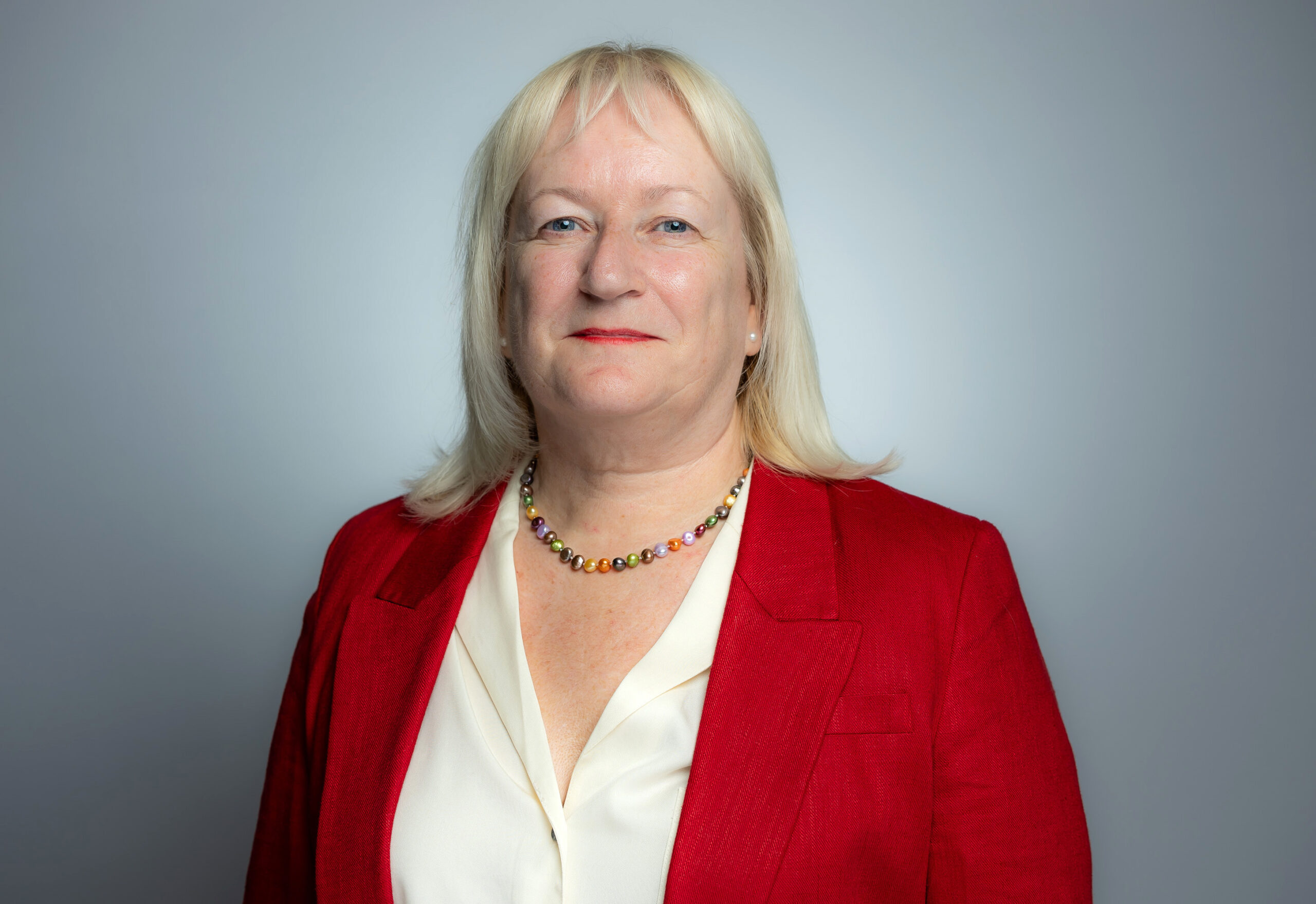
By Liz Terry, leader of Reading Borough Council