

















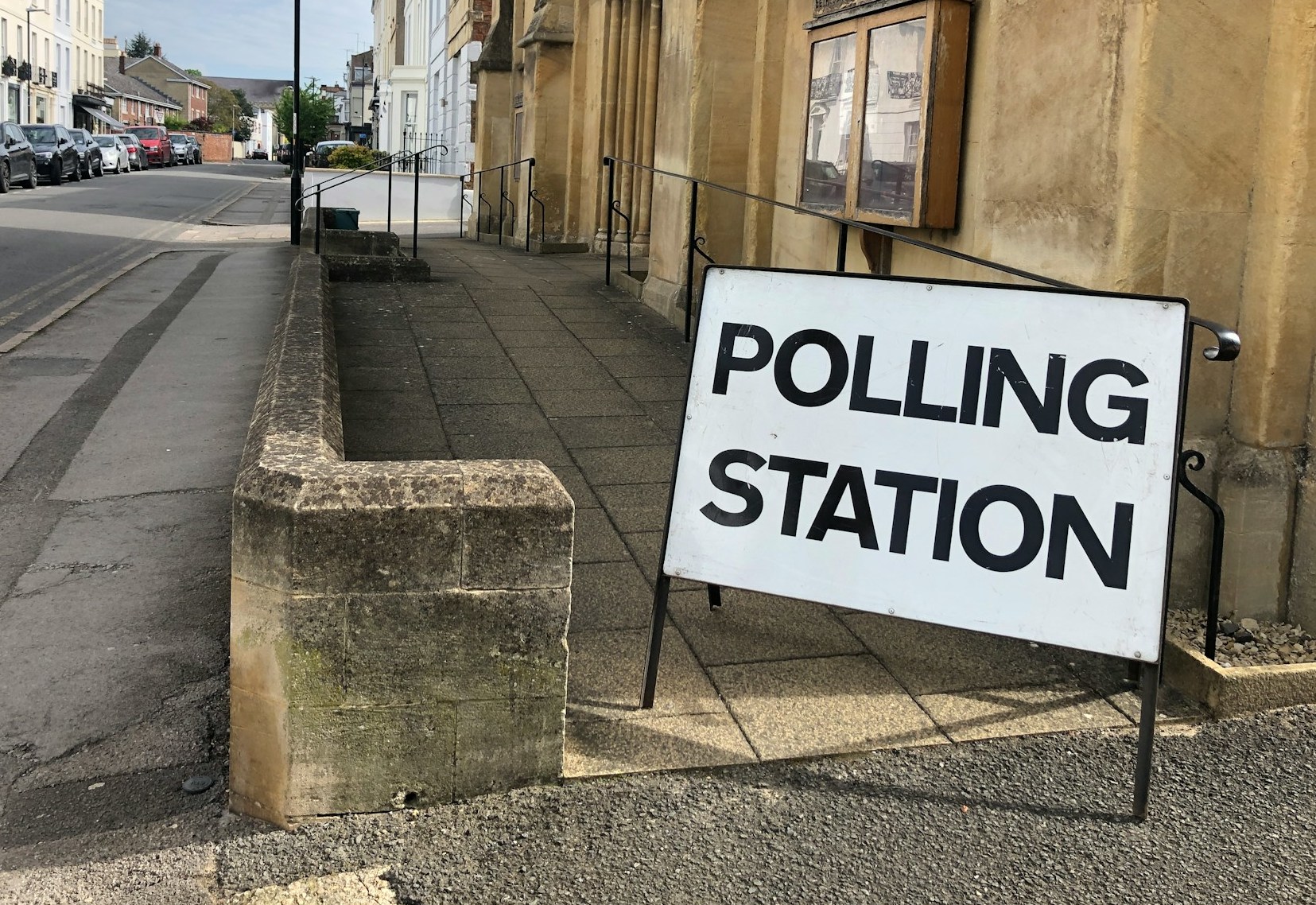
FIGURES from the Taxpayers’ Alliance show that local councils across the country spent around £25 million in total over four years as a result of elections by thirds.
Electing by thirds means that members of local authorities are selected in parts, rather than all at once, and that elections are held more regularly.
Under current rules, many district, metropolitan and unitary councils can choose how frequently they hold elections.
While most across the country elect all councillors once every four years–283–others opt for elections by thirds (91) or halves (7), meaning many residents are sent to the polls far more often.
New analysis shows that these more frequent elections come at a cost to local taxpayers.
Figures shared by the Taxpayers’ Alliance show that between 2021 and 2024, councils that were elected by thirds or halves spent substantially more on elections than councils holding whole council elections.
They say that, had those councils instead switched to whole council elections, almost £25 million could have been saved per council on staffing, venues, printing, administration and voter communications.
Elections by thirds are often justified on the grounds of continuity and accountability, while whole council elections provide reduce voter fatigue and allow councils to plan over longer periods without the annual campaigns, on top of financial savings.
Costs per cycle averaged £686,705 for unitary councils elected by thirds, while those with whole council elections averaged £379,580.
Jonathan Eida, researcher at the TaxPayers’ Alliance, said: “At a time when councils are stretched and cutting vital services, it’s extraordinary that millions of pounds are still being spent on unnecessarily frequent local elections.
“Whole council elections arguably offer clearer accountability, reduce voter fatigue and, crucially, save taxpayers a substantial amount of money.
“Councils need to seriously ask whether the marginal benefits of elections by thirds are worth the very real financial cost being imposed on residents.
However, Reading Borough Council has responded to highlight not only that they avoid high-turnover disruptions and give residents a more immediate opportunity to exercise their democratic rights, they also aim to minimise costs through concurrent elections.
A spokesperson explained: “The council places great importance on offering residents the regular opportunity to have their say on who runs local services and this system is very well established in Reading.
“We acknowledge the process of holding regular local elections comes with associated costs, but by the same token less frequent elections reduce the opportunity for residents to exercise their democratic right to vote and hold local representatives to account more regularly.
“More regular elections can mean that local issues are not as confused with national issues and can encourage more stability in the delivery of local services–they additionally avoid the disruption of large turnover of councillors associated with all out elections.
They added: “Specifically in terms of costs, it is worth emphasising that local elections are often combined with other elections, such as General Elections or, previously, the Police and Crime Commissioner election.
“In such cases costs are shared with the funding body for those elections–it is also worth noting that elections by thirds mean fewer votes to process and count.
“Costs associated with any necessary by-elections are also a factor.”
More information is available via: www.taxpayersalliance.com