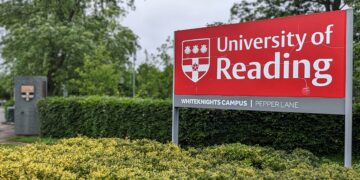












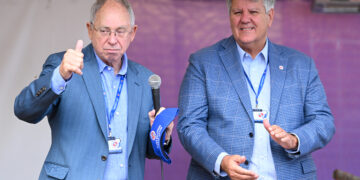


METEOROLOGIST Dr Steven Burt from Reading University has reviewed the previous year’s weather.
Comparing last year’s figures with the university’s Atmospheric Observatory’s long climate record of local atmospheric data he has noted 2025’s stand-out features.
Firstly, 2025 turned up the heat.
In terms of temperature, last year’s annual average (mean) temperature was 11.79 °C.
That’s a little higher than the previous decade’s average, and a tiny fraction higher than in 2023.
It was the borough’s second-warmest year since 1908, the warmest being 2022.
He notes, too, that all five of the borough’s warmest years have now occurred since 2006, four of them in the last five years.
In terms of rain – in short, there was less of it last year.
2025 was Reading’s driest for 20 years, and just missed being among the university’s top 10 all time driest.
Total rainfall in 2025 was 518 mm, which was 21% below the previous decade’s average from 1991-2020.
This was in marked contrast to the previous two very wet years (2023 and 2024) during which the wettest 12 month period since 1901 was recorded.
‘Bring me sunshine,’ sang the Two Ronnies in the 1970s and 1980s, and 2025 did just that.
Its total for the year was 1828 hours of golden rays (17% higher than the average), making it the third sunniest in the Observatory’s records, which date back to 1956.
By September 18 the average sunshine figure had already been reached, so every hour of sun after then, throughout the autumn and early winter was a bonus.
The region’s sunniest year of all had been 2020.
But 2024 was notably dull, so one happy thought is that 2025 enjoyed just under an hour per day more sunshine than its predecessor – a nice statistic to report on, says Steven, and a positive note to end with.
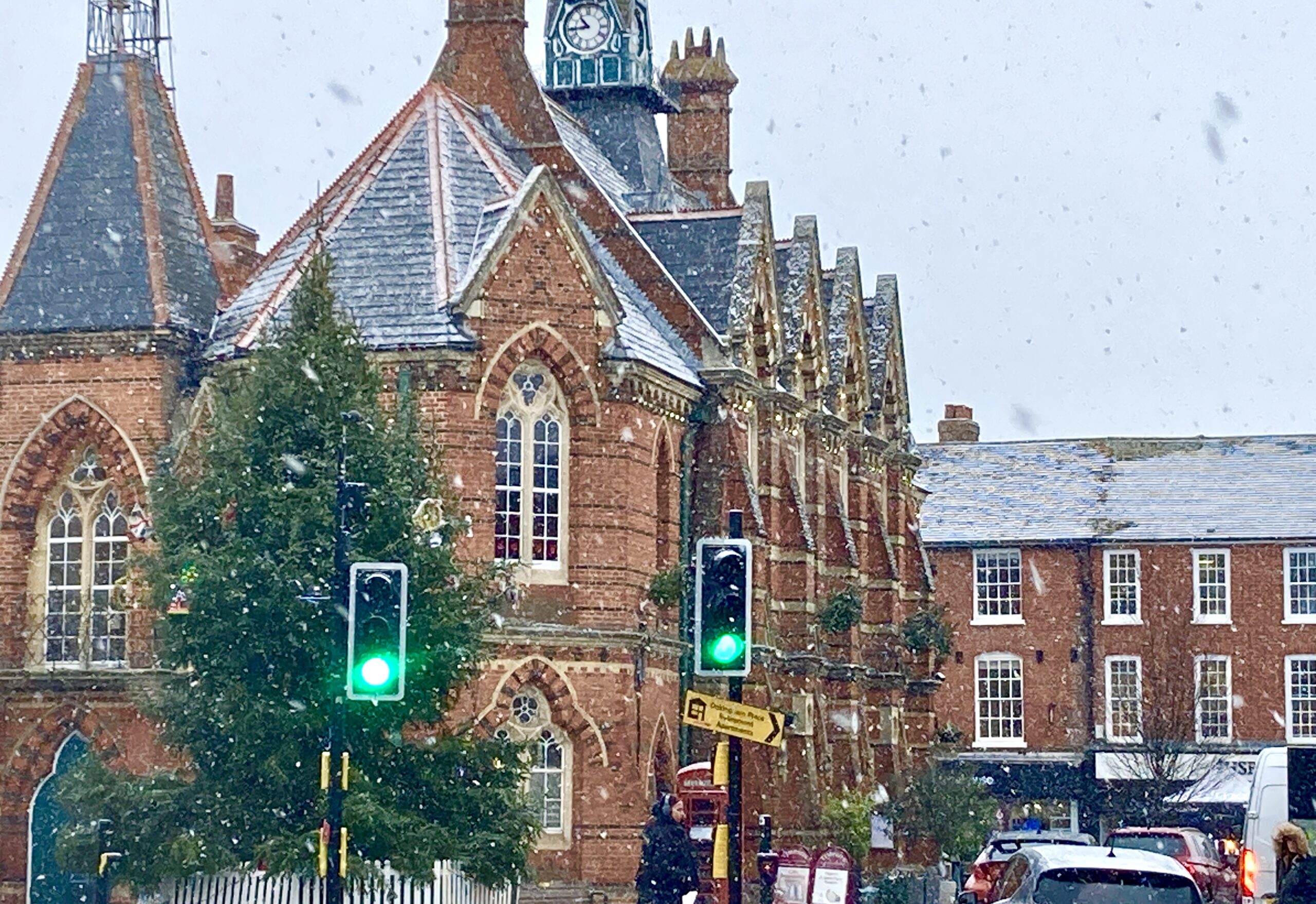
Wokingham.Today wishes all readers a very happy New Year ahead, whatever the weather.
For information, visit: research.reading.ac.uk/meteorology/atmospheric-observatory