














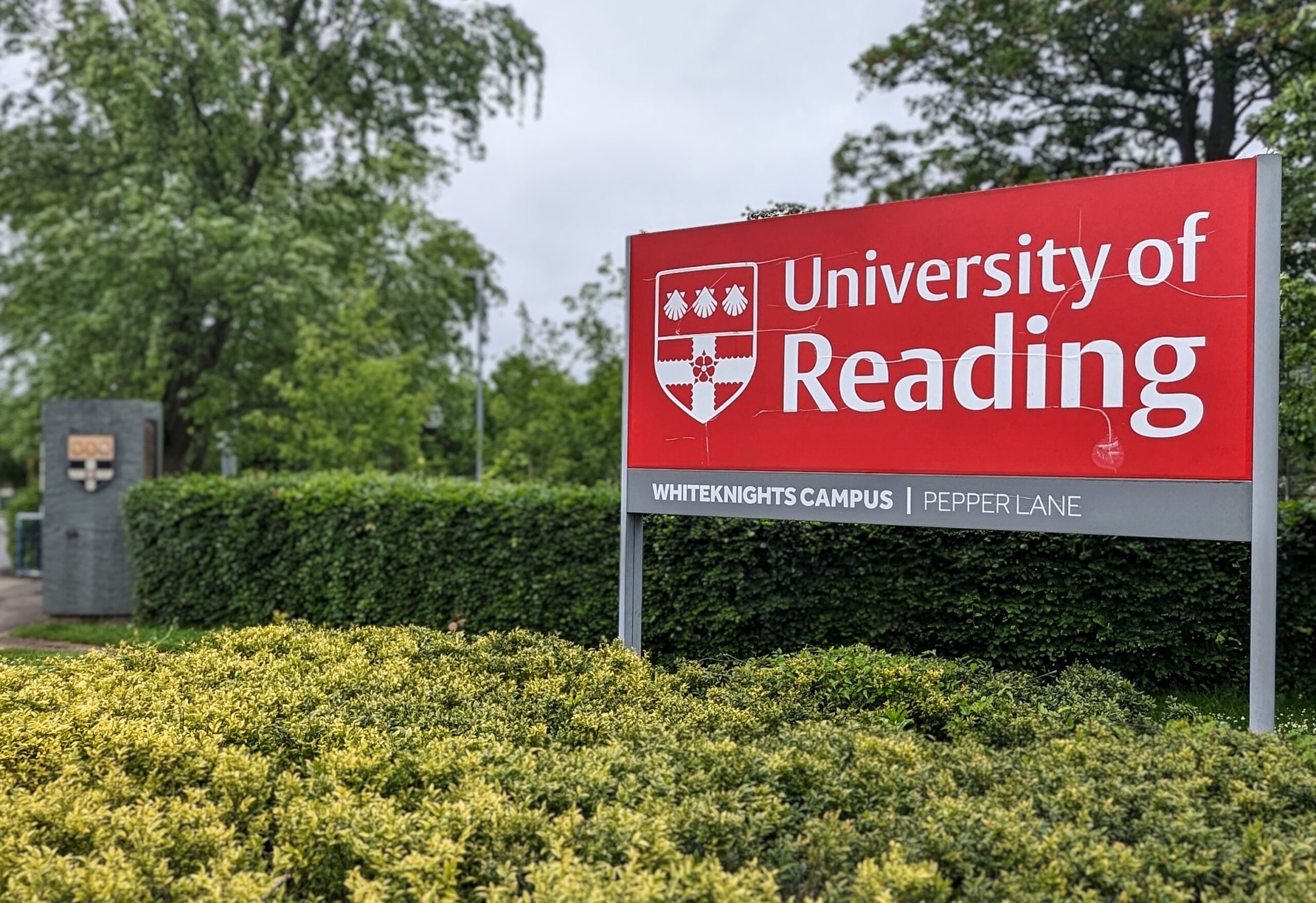
A UNIVERSITY of Reading space expert has been honoured for his work to develop rapid space weather forecasts.
Professor Mathew Owens, of the University of Reading, received the Royal Astronomical Society’s Chapman Medal, awarded for investigations of outstanding merit in the science of the Sun, space, and planetary environments or solar-terrestrial physics.
The award announcements were made at the Royal Astronomical Society’s A&G Highlights Meeting held on Friday, January 9.
The RAS also awards a variety of other medals, prizes, honorary fellowships and lectureships.
Professor Owens was awarded the prize for creating and using the HUXt model, which can quickly forecast space weather conditions at any planet in the solar system.
The HUXt model’s predictions are often better than those from more complicated models, and works much faster too.
Scientists and space weather services around the world now use the model, showing how important Professor Owens’ work is to the field.
As well as advancing our understanding of space and helping with several NASA and European Space Agency missions, Professor Owens’ work has real practical uses.
It helps protect satellites, navigation and communication systems, power grids, pipelines and early-warning radars.
It also helps keep astronauts safe, as well as passengers and crew on high-altitude flights.
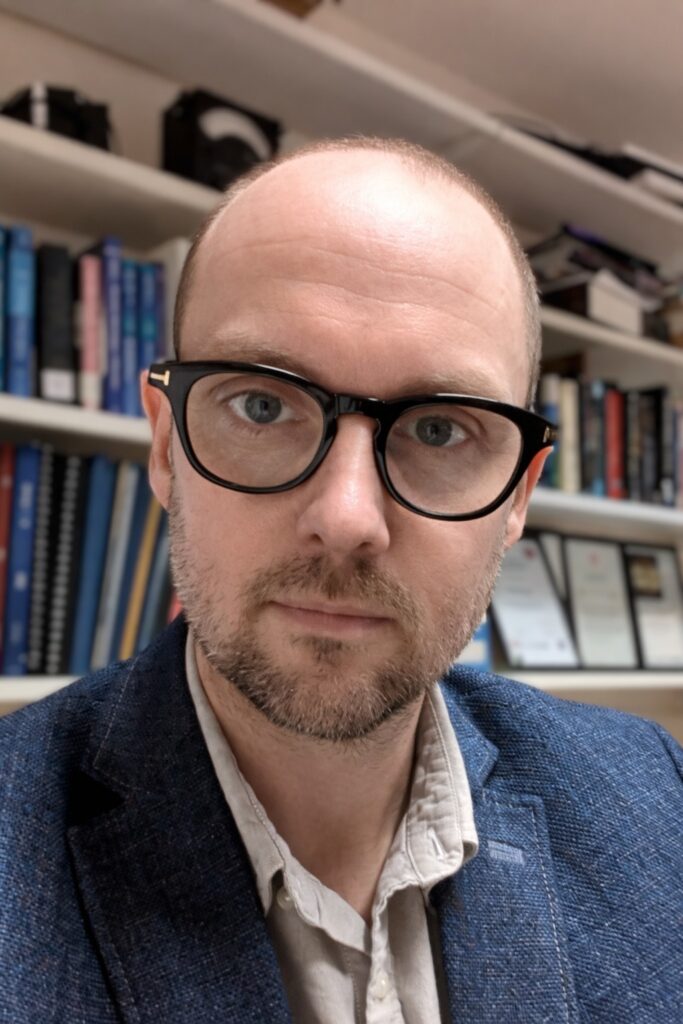
Professor Mathew Owens said of the award: “I’m really flattered, not least that someone would take time from their busy day to nominate me.
“Modern science is a collaborative effort, and I’m very fortunate to have such excellent collaborators.
“In particular Luke Barnard for his work with the HUXt solar wind model, which was singled out in the award citation.”
Professor Mike Lockwood, President of the RAS and Professor of Space Environment Physics at the University of Reading, said: “I want to give my warmest congratulations to all the award winners.
“My thanks go to those who serve on our awards panels and the RAS staff who help them – they have done a truly fantastic job – and it is a very difficult job indeed because all the nominations were very deserving cases.
“I also want to thank all who submitted nominations for bringing all candidates to the attention of the panels. Reading about the work of the winners was genuinely uplifting and a pure delight.
“There is so much achievement recognised by the awards and also so much effort to spark interest in potential young scientists and to promote astronomy and geophysics.”