




















Households in Reading West and Mid Berkshire taking out a new mortgage are paying more than £2,600 less a year than they would have done at the time of the 2024 General Election, according to new analysis.
The figures suggest that a buyer taking out a typical mortgage on a £409,000 home — the median house price in the constituency — in December 2025 would pay £2,620 less annually than if they had taken out the same mortgage in June 2024.
That equates to a saving of around £218 a month. The analysis indicates that households across the constituency have seen similar reductions.
If mortgage rates fall by a further 0.5 percentage points over the next year, annual savings could rise to about £3,280, the report adds.
Two-year fixed mortgage rates rose sharply following the September 2022 mini-budget under then Prime Minister Liz Truss, reaching more than 6% the following month. This increased borrowing costs for households buying or remortgaging homes.
Since the 2024 election, typical mortgage interest rates have fallen from 5.16% to 3.97%, according to the analysis. The government says this reflects greater economic stability.
However, opposition parties have disputed the causes of falling rates. Reform UK has said its spending plans would boost growth, while critics argue unfunded commitments could push borrowing costs back up.
The reduction in mortgage costs comes alongside wider housing reforms. The Renters’ Rights Act, due to come into force on 1 May 2026, will ban so-called “no-fault” evictions and introduce new rules for landlords and letting agents.
Under the legislation, rent increases will be limited to once a year, landlords will be prevented from demanding more than one month’s rent in advance, rental bidding wars will be banned, and discrimination against tenants with children or those receiving benefits will be outlawed.
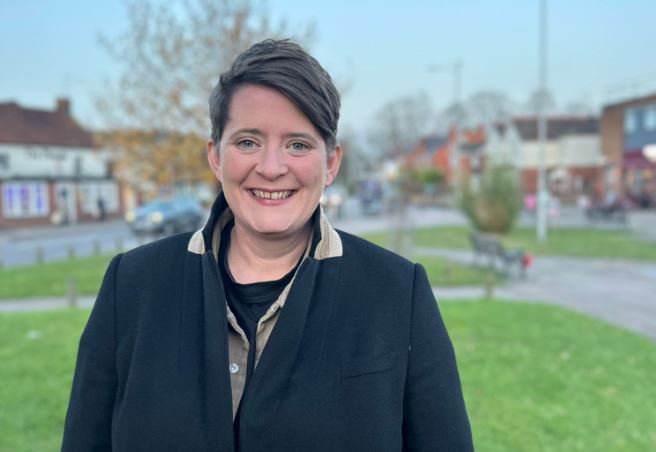
Olivia Bailey, the Labour MP for Reading West and Mid Berkshire, said the falling mortgage costs reflected government decisions to strengthen the economy and ease pressure on household finances.
She added that other measures aimed at reducing the cost of living included extending the fuel duty cut, freezing prescription charges, expanding funded childcare — which the government estimates could save families an average of £7,500 a year — and increasing the state pension by up to £575 a year.
James Murray, Labour’s Chief Secretary to the Treasury, said the government had stabilised the economy after what he described as damage to household finances under the previous Conservative administration.
He said falling interest rates, lower energy bills, frozen rail fares, increases to the minimum wage and changes to welfare policy were beginning to have an impact, adding that the government expected working households to start seeing further benefits over the coming year.