














You will not have failed to notice it has been wet recently. I certainly have. My cycle to work has been, shall we say, a bracing experience at times.
Our region badly needed the rain, though. We have had an exceptionally dry period, after the previous winter that was exceptionally wet. This kind of extreme weather pattern, all one-thing-and-then-the-other, is what climate scientists have been predicting for southern England for decades. This is a reminder that climate change, even in temperate regions of the world like the UK, is not a distant threat. It is a present reality affecting our daily lives.
Next week, the University of Reading will welcome the Intergovernmental Panel on Climate Change for two important workshops. The IPCC is the UN body responsible for assessing the science of climate change and providing evidence to governments worldwide. Their work has direct implications for how we understand and respond to the challenges facing all parts of the world.
There is no hiding place. The climate impacts in Berkshire and in the UK are becoming impossible to ignore. Recent years have brought record-breaking heat that strains our infrastructure and puts vulnerable residents at risk. Heavy rainfall causes flooding of our roads, sports fields are saturated and rowing on the River Thames has been impossible for weeks. Yet we also face heatwaves and periods of drought, damaging crops, threatening wildlife, and wither our gardens and parks.
For local businesses, these are economic realities. Supply chains face disruption from extreme weather. Insurance costs are rising. Infrastructure requires costly adaptation. The question facing every business leader is no longer whether climate change will affect them, but how they can prepare.
This is why the IPCC’s work matters to communities like ours. When businesses and governments can plan using robust evidence, they make better decisions for the long term. The workshops will explore how to include diverse voices in climate assessments, and how artificial intelligence can help us learn even more. The University of Reading contributed more scientists than any other institution to the first working group of the previous IPCC assessment report. This time around, three of our experts will contribute.
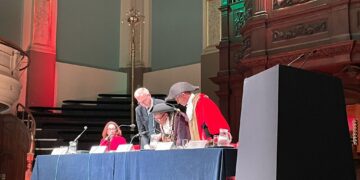
We care about doing our bit on working towards a more sustainable society and our expertise is also a resource for the local community and beyond. From Monday 9 February, we are opening our doors to share this knowledge. We are hosting a special roundtable for business and government leaders, featuring IPCC leadership and UK Government representatives to see how IPCC findings can practically help us. That evening, IPCC Chair Professor Jim Skea, the person leading the drive for climate evidence, will give a public lecture, open to all. I encourage anyone with an interest in our climate future to register to attend, either in person or online.
Understanding the science is only the beginning, and action is what is needed to drive real change. Reading and Wokingham councils have made strong commitments to help our area become more sustainable. Local businesses are adapting. We all have a role to play.
Climate change can feel overwhelming. But events like this, when leaders from across the world collaborate, remind me that we are not powerless. I am proud that Reading is playing host to these vital discussions. By working together and drawing on the best available evidence, we will find solutions.