




















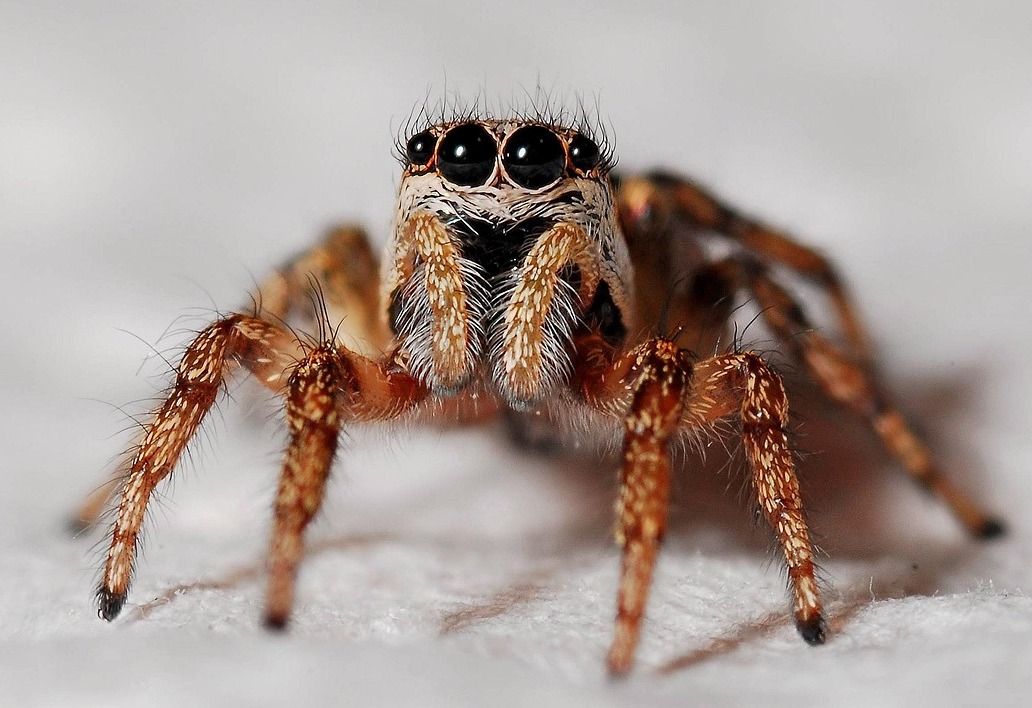
Residents across Berkshire are being urged to take a gentler approach to house spiders this winter, as colder weather sees more of them heading indoors.
The Berks, Bucks & Oxon Wildlife Trust (BBOWT) has released seasonal guidance aimed at helping the public understand why spiders appear more frequently at this time of year – and how best to deal with them.
According to the charity, many of the spiders seen in homes over the coming months are male house spiders searching for mates, while others seek shelter from the drop in temperature. BBOWT says the seasonal influx is normal, temporary and nothing to fear.
“Spiders are our allies, not our enemies”
A spokesperson for the trust said most spider species found in local homes are harmless and play a vital role in keeping pest insects under control.
“Spiders are hugely beneficial to our ecosystems – even indoors,” the spokesperson explained. “We understand that not everyone is comfortable with them, but they are important allies in managing flies, ants and other insects. If possible, we encourage people to leave them undisturbed.”
How to deal with spiders humanely
BBOWT has offered several practical tips for residents who would prefer spiders not to set up home in their living rooms:
• Keep areas tidy – Clutter provides hiding spots for spiders and the insects they prey on.
• Seal small gaps – Spiders often come in through vents, gaps under doors and cracks around windows.
• Use natural deterrents – Peppermint oil, lavender and citronella may help discourage spiders without harming them.
• Try the “glass and card” method – For those wanting to remove a spider, the trust recommends gently trapping it under a glass, sliding a card underneath and releasing it outdoors.
• Avoid killing them – Spiders are not aggressive and rarely bite. BBOWT says killing them is unnecessary and harms local biodiversity.
Not dangerous, just misunderstood
Experts say there are more than 650 species of spider in the UK, with only a small handful capable of biting humans – and even those are considered medically harmless.
BBOWT emphasises that despite the common perception of an “autumn invasion”, most spiders seen indoors have been living inside houses all year, only becoming more active during mating season.
Encouraging wildlife-friendly homes
The trust hopes its advice will help residents feel calmer about encounters with spiders, while also encouraging a more wildlife-friendly attitude throughout the winter.
“Spiders are a sign of a healthy environment,” the spokesperson added. “By understanding them a little better, we can learn to live alongside them.”
BBOWT is expected to publish further seasonal wildlife guidance over the coming weeks.